





Broad-headed Skink
Plestiodon laticeps
The Broad-headed Skink is a colorful lizard with a big head and shiny scales. It loves to bask in the sun and can be found climbing trees or hiding under rocks.
Habitat: Forests
The Broad-headed Skink has a robust body and a distinctly wide, triangular head, especially in males. Males display a vibrant orange or reddish head during breeding season, contrasting with olive-brown bodies. Juveniles are striking with five light stripes down their black bodies and a bright blue tail.
Category
ReptilesRarity
Common
Danger
1/5 · Very low
Snaps
10
Mothers guard their eggs until they hatch, which is rare!
Their unique wide head gives them their common name!
They use their fork-shaped tongue to "smell" the world.
Young skinks have five golden stripes and a flashy blue tail!
Broad-headed Skink can drop its tail to confuse predators, giving it a quick chance to escape!
Broad-headed Skink has strong claws that help them scale trees and rocks with great speed.
Broad-headed Skink males display a bright orange-red head during mating to attract partners.
Broad-headed Skink mothers fiercely protect their eggs from danger until they hatch.
These speedy hunters love to eat insects and spiders they find in trees!

Coluber constrictor
Snakes hunt skinks for a meal.
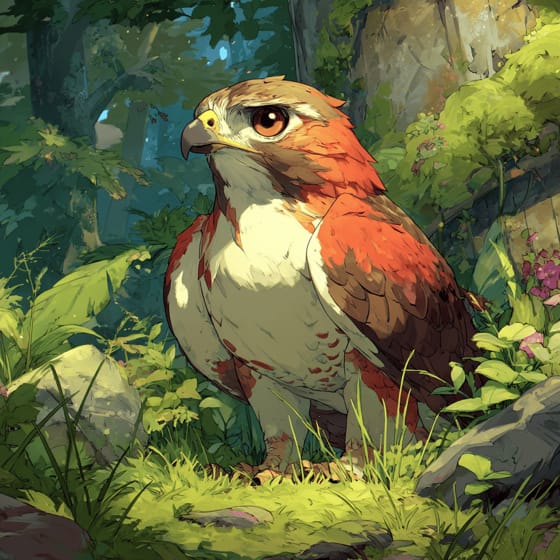
Buteo jamaicensis
Hawks can spot them from above.
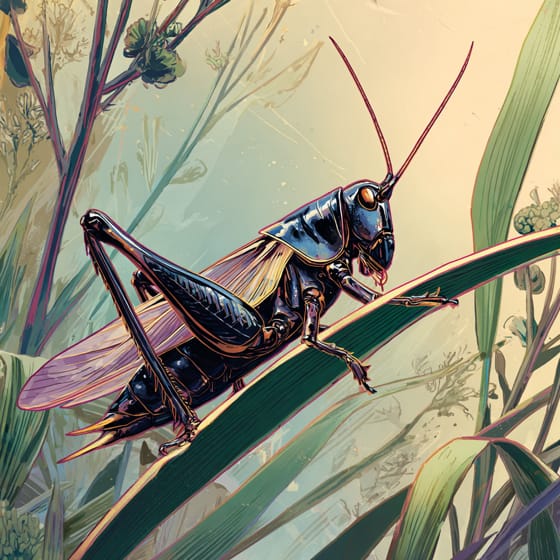
Gryllus assimilis
Skinks actively chase and eat these insects.
Aranaeus diadematus
Skinks feed on various spiders.
Solitary animals live alone for most of their lives, only interacting with others for mating or parental care.
Arboreal animals live primarily in trees, utilizing them for shelter, food, and protection from predators.
Colorful describes organisms or objects displaying a wide range of bright and distinct colors.
This trait identifies organisms whose diet primarily consists of insects and other small invertebrates.

Forest habitats are terrestrial environments dominated by dense tree cover, supporting a high diversity of plant and animal life.

Diurnal animals are primarily active during daylight hours, typically resting or sleeping at night.

This trait identifies organisms that exhibit exceptional swiftness in movement for hunting, escape, or travel.
No aliases listed yet.
Danger
1/5 · Very low
Always watch from a distance and don't try to catch lizards; they are best left in nature.
The easiest way to identify Broad-headed Skink is to use the Snappit nature identifier app.
15-30 cm
0.005-0.05 kg
5-10 years
18 km/h
These speedy hunters love to eat insects and spiders they find in trees!
Forests
Pursuit
Zoom in to split clusters and explore where this object has been snapped.
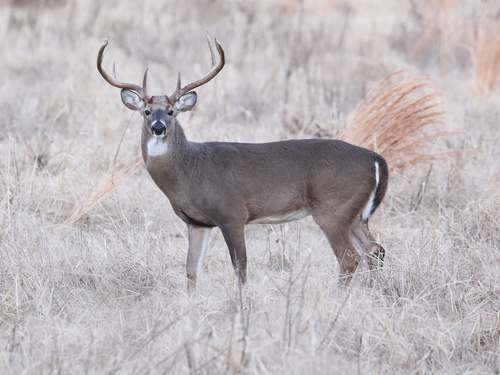
Virginia, US
You might spot White-Tailed Deer and House Sparrow.
View guide →

Maryland, US
You might spot Common Pawpaw, Zebra Swallowtail, and Bald Eagle.
View guide →
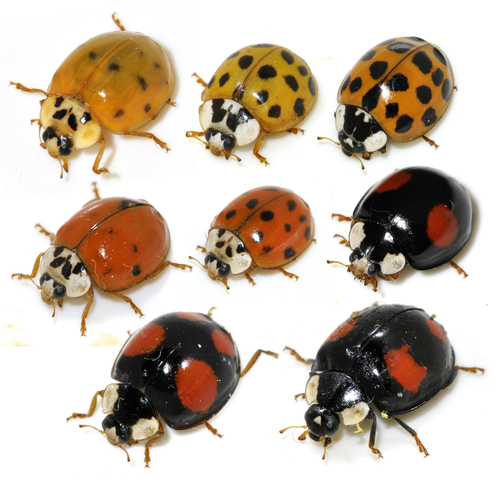
Virginia, US
You might spot Asian Lady Beetle and Eastern Tiger Swallowtail.
View guide →

Virginia, US
You might spot Kiwi Bubbles and Eastern Skunk Cabbage.
View guide →
Virginia, US
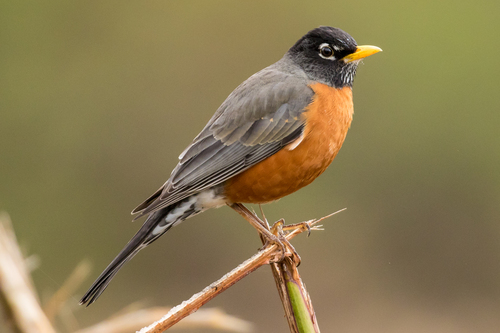
You might spot American Robin, Red Fox, and Northern Cardinal.
View guide →

Arkansas, US
You might spot Prairie Lizard, Anole, and Canada Goose.
View guide →
Take the discovery with you
Snap it with Snappit to identify it, learn what makes it special, and add the discovery to your collection.












