





North American Racer
Coluber constrictor
The North American Racer is a fast and slender snake that loves to explore! It has smooth scales and can be green, brown, or gray. These snakes are great at hiding and can be found in many places.
Habitat: Grasslands
The North American Racer is a slender snake, typically solid colored as an adult, ranging from black, blue, or gray to olive-brown, with a contrasting white or yellow belly. Juveniles, however, sport distinct dark blotches down their back, fading as they mature into their uniform adult coloration.
Category
ReptilesRarity
Common
Danger
2/5 · Low
Snaps
53
Despite their name, Racers don't constrict prey; they pin it down to eat!
These speedy snakes are active during the day, making them diurnal hunters.
They often eat other snakes, including venomous ones, showing no fear!
Young Racers have bold patterns that fade away as they grow into adults!
North American Racers can sprint at high speeds that help them outmaneuver predators or rapidly pursue quick-moving prey.
North American Racers have large eyes and keen eyesight that helps them spot and ambush fast-moving prey.
North American Racers can vibrate their tails rapidly in dry leaves, creating a buzzing sound to mimic a rattlesnake.
They hunt and eat a wide variety of small animals like insects, frogs, rodents, and other snakes.
Age differences: Young snakes eat mostly insects, gradually adding larger prey as they grow.
Microtus pennsylvanicus
a common small mammal prey
Anolis carolinensis
a frequent lizard meal
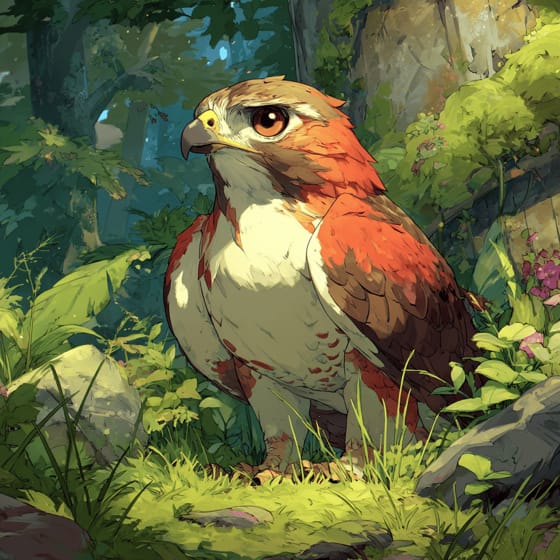
Buteo jamaicensis
a major avian predator
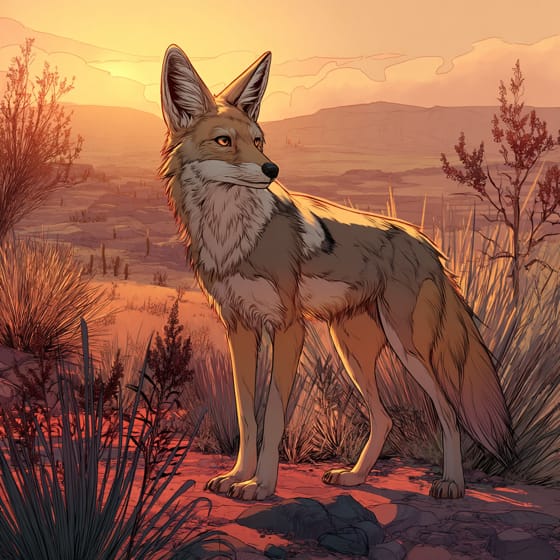
Canis latrans
a ground predator of snakes
Solitary animals live alone for most of their lives, only interacting with others for mating or parental care.
Camouflaged describes organisms that possess coloring or patterns that allow them to blend into their environment.
Grassland habitats are terrestrial biomes dominated by grasses and herbaceous plants, supporting a variety of grazing animals.
This trait identifies organisms whose diet consists entirely or primarily of animal tissue.

Diurnal animals are primarily active during daylight hours, typically resting or sleeping at night.

This trait identifies organisms that exhibit exceptional swiftness in movement for hunting, escape, or travel.
No aliases listed yet.
Danger
2/5 · Low
If you see a snake, it's best to stay calm and give it space. Never try to touch it.
The easiest way to identify North American Racer is to use the Snappit nature identifier app.
60-150 cm
0.15-0.5 kg
5-10 years
16 km/h
They hunt and eat a wide variety of small animals like insects, frogs, rodents, and other snakes.
Grasslands
Pursuit
Zoom in to split clusters and explore where this object has been snapped.
Jun 17, 2026

Tennessee, US
You might spot Black Bear, Yellow Wakerobin, and Pipevine Swallowtail.
View guide →

South Carolina, US
You might spot Brown Pelican, Boat-Tailed Grackle, and Great Egret.
View guide →

Oklahoma, US
You might spot Western Ratsnake and Spotted Chorus Frog.
View guide →

Alabama, US
You might spot Anole, Bee, and Bristle Thistle.
View guide →

Illinois, US
You might spot Eastern Fox Squirrel, Amur Honeysuckle, and Poison Hemlock.
View guide →

Alabama, US
You might spot Anole, Bee, and Bristle Thistle.
View guide →
Take the discovery with you
Snap it with Snappit to identify it, learn what makes it special, and add the discovery to your collection.













