





bromes
Bromus
Bromes are a type of grass that grow in fields and meadows. They are tall and can sway gently in the wind, making them look like they are dancing!
Habitat: Grasslands
The bromes is a common grass, usually green, turning golden-brown as it matures. It has distinctive seed heads called spikelets that can be loose and drooping or dense and upright, often with bristly awns, setting it apart from smooth-headed grasses.
Category
PlantsRarity
Common
Danger
1/5 · Very low
Snaps
Be the first to snap!
Bromes are ancient plants, with fossil evidence showing they grew millions of years ago!
Certain brome seeds can lie dormant in the soil for over a decade, waiting to sprout!
Some bromes are called 'cheatgrass' because they grow super fast and outcompete other plants!
The tough, pointed seeds of some bromes can actually burrow into animal fur!
Bromes can produce many seeds that easily attach to fur or clothes, helping them spread far and wide.
Bromes has strong roots and stems that help it survive in harsh soils and quickly regrow after disturbance.
Many bromes can complete their life cycle quickly, allowing them to grow and set seed before dry seasons arrive.
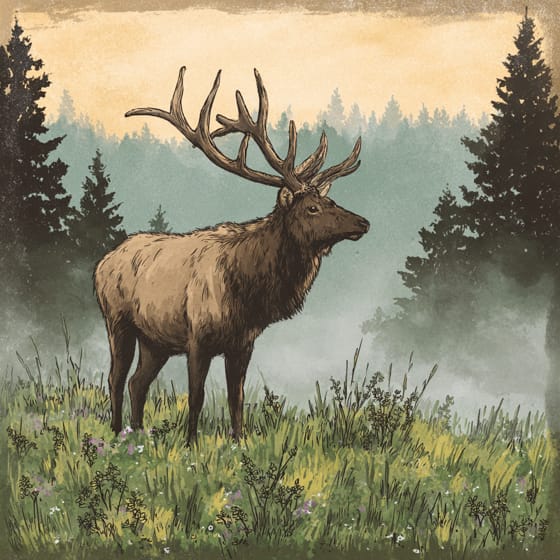
Cervus canadensis
grazes on young brome plants and seeds.
Microtus pennsylvanicus
eats seeds and stems, finding shelter in the dense growth.

Peromyscus maniculatus
builds nests and hides from predators within brome stands.
_-_Killarney%2C_Ontario_01.jpg&width=800)
Melanoplus bivittatus
chews on the leaves and stems of brome plants.
Grass-like plants are herbaceous plants that visually resemble true grasses, typically having long, narrow leaves.
This human use trait describes species cultivated or domesticated by humans for agricultural purposes, including crops and livestock.
Edible plants are those parts of a plant that are considered safe for human consumption.
Grassland habitats are terrestrial biomes dominated by grasses and herbaceous plants, supporting a variety of grazing animals.

Rapid growing plants exhibit accelerated growth rates, quickly increasing in size and biomass within a short period.

Describes a species whose presence and role have a disproportionately large effect on its environment.
No aliases listed yet.
Danger
1/5 · Very low
Always stay on paths when walking through fields to avoid getting lost.
The easiest way to identify bromes is to use the Snappit nature identifier app.
30-150 cm
15-45 cm
0.5-2 cm
Spring to early summer
Yes
None
Annual
Zoom in to split clusters and explore where this object has been snapped.
Recent snaps will appear here as new observations are added.
Take the discovery with you
Snap it with Snappit to identify it, learn what makes it special, and add the discovery to your collection.










.jpg&width=800)



_001.jpg&width=800)



