_-_Killarney%2C_Ontario_01.jpg&width=800)





Two-striped Grasshopper
Melanoplus bivittatus
The Two-striped Grasshopper is a small, green insect with two dark stripes running down its back. They love to hop around in fields and gardens, making them fun to spot!
Habitat: Grasslands
The Two-striped Grasshopper has a robust body, typically green, yellow, or brownish, with two distinct pale stripes running along its back from head to wings. Its long, powerful hind legs are also usually marked with dark spots or bands, making it easily distinguishable.
Category
InsectsRarity
Common
Danger
1/5 · Very low
Snaps
13
Baby grasshoppers, called nymphs, look like tiny adults but are born without wings!
Did you know grasshoppers have their 'ears' located on their belly?
Some grasshoppers can change their body color to perfectly match their surroundings!
They breathe through tiny holes along their sides, not their mouth like us!
Two-striped Grasshopper has earthy colors and patterns that help them blend perfectly into their grassy homes.
Two-striped Grasshopper can create buzzing chirps by rubbing body parts together, which helps them talk to other grasshoppers.
Two-striped Grasshopper has strong mouthparts that help them chew through tough leaves and stems with ease.
These herbivores love to munch on many different kinds of plants and grasses.
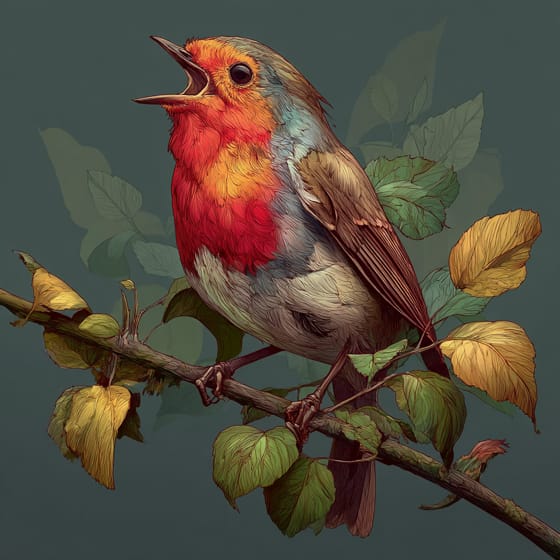
Turdus migratorius
A common bird that hunts adult grasshoppers.
Thamnophis sirtalis
Snakes often prey on grasshoppers in their habitat.
Mermis nigrescens
Can infect and control grasshopper behavior.
Solidago canadensis
Feeds on the leaves of this widespread plant.
Marked with parallel bands or lines of color.
Solitary animals live alone for most of their lives, only interacting with others for mating or parental care.
Camouflaged describes organisms that possess coloring or patterns that allow them to blend into their environment.
Grassland habitats are terrestrial biomes dominated by grasses and herbaceous plants, supporting a variety of grazing animals.

This trait characterizes organisms whose diet consists entirely or primarily of plant material.

Diurnal animals are primarily active during daylight hours, typically resting or sleeping at night.

Describes organisms that transfer pollen, enabling the fertilization and reproduction of plants.
No aliases listed yet.
Danger
1/5 · Very low
While grasshoppers are not dangerous, it's best to watch them from a distance and not touch them.
The easiest way to identify Two-striped Grasshopper is to use the Snappit nature identifier app.
40-90 mm
25-50 mm
60-120 days
10 km/h
These herbivores love to munch on many different kinds of plants and grasses.
Grasslands
Foraging
Zoom in to split clusters and explore where this object has been snapped.

Montana, US
You might spot Great Blanketflower and Seven-Spotted Lady Beetle.
View guide →

Kansas, US
You might spot Cliff Swallow and Desert Prince's Plume.
View guide →

Maine, US
You might spot Purple Pitcher Plant and American Toad.
View guide →

Nebraska, US
You might spot Lark Sparrow, Rock Wren, and Scarlet Globemallow.
View guide →

Massachusetts, US
You might spot Snow Leopard, Jaguar, and Canis Lupus Baileyi.
View guide →

New Mexico, US
You might spot Rocky Mountain Beardtongue and Balkan Toadflax.
View guide →
Take the discovery with you
Snap it with Snappit to identify it, learn what makes it special, and add the discovery to your collection.






.jpg&width=800)




