





Brookfoams
Boykinia
Brookfoams are lovely plants that grow near streams and wet areas. They have pretty, fluffy white flowers that look like little clouds in the water!
Habitat: Wetlands
The Brookfoams has a delicate appearance with frothy clusters of tiny white or pale pink flowers that often seem to float above its deeply lobed, green leaves. Its stems are typically reddish, adding a subtle contrast to the overall lush green foliage.
Category
PlantsRarity
Common
Danger
1/5 · Very low
Snaps
Be the first to snap!
Brookfoams’ flowers are so tiny, you often need a magnifying glass to see all their parts!
Its scientific name, Boykinia, honors a famous botanist, Dr. Samuel Boykin!
Some Brookfoams species have sticky hairs on their stems to trap tiny insects!
These plants can grow on rocky slopes, using roots to cling to the ground!
Brookfoams has special roots that help it thrive in soggy, boggy soils where other plants struggle to grow.
Brookfoams can spread underground with rhizomes, allowing it to quickly form colonies and survive tough conditions.
Brookfoams produces abundant nectar, guiding insects to its flowers to help spread its tiny pollen grains.
Apis mellifera
gathers nectar and pollen from flowers.
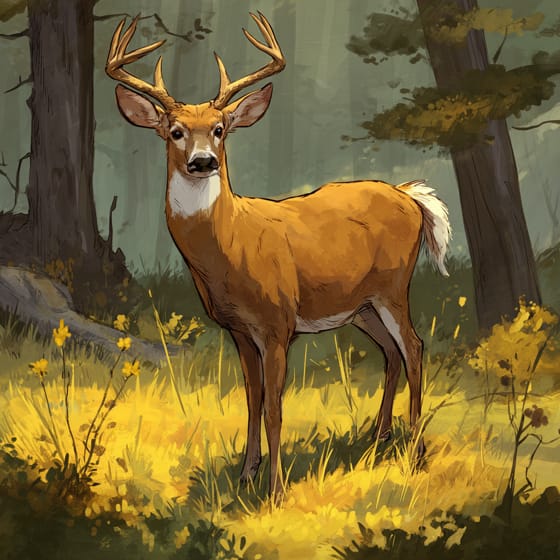
Odocoileus virginianus
browses on its leaves and stems.
Bombus affinis
an important, endangered pollinator.
Ornamental plants are cultivated primarily for their aesthetic appeal, enhancing landscapes and gardens with their attractive foliage, flowers, or form.
Cluster flowers are inflorescences where individual flowers are arranged closely together on a common stem.
Shade tolerant plants are adapted to grow and thrive in areas with low light levels, requiring less direct sunlight.
Spring blooming plants produce their flowers during the spring season, often signifying the end of winter and the start of new growth.

Describes plants that are particularly attractive and beneficial to a wide range of pollinating organisms.

This habitat trait identifies species found in wetlands, which are areas of land saturated with water, either permanently or seasonally, including marshes, swamps, and bogs.
No aliases listed yet.
Danger
1/5 · Very low
Always stay on paths when exploring near water to stay safe.
The easiest way to identify Brookfoams is to use the Snappit nature identifier app.
15-50 cm
15-40 cm
0.5-1.5 cm
Late spring to late summer
No
None
Perennial
Zoom in to split clusters and explore where this object has been snapped.
Recent snaps will appear here as new observations are added.
Take the discovery with you
Snap it with Snappit to identify it, learn what makes it special, and add the discovery to your collection.








.jpg&width=800)



_001.jpg&width=800)



