





hound's-tongue
Cynoglossum officinale
Hound's-tongue is a unique plant with fuzzy leaves and pretty purple flowers. It grows in fields and along roadsides, making it a special sight in nature.
Habitat: Grasslands
The hound's-tongue has dull green, hairy leaves that feel rough and resemble a dog's tongue in shape and texture. Its small, five-petaled flowers are typically a striking reddish-purple or maroon color, though sometimes blue, clustered atop tall stems.
Category
PlantsRarity
Common
Danger
3/5 · Moderate
Snaps
16
Despite its toxicity, it was once used in traditional medicine for various ailments.
It can produce thousands of seeds, making it a very successful colonizer of new areas.
Its genus name, Cynoglossum, literally means 'dog's tongue' in Greek!
The plant's distinctive seed burrs inspired the invention of velcro!
Hound's-tongue has burr-like seeds covered in hooked barbs that easily attach to animal fur or clothing, helping it spread far and wide.
Hound's-tongue contains toxic compounds called pyrrolizidine alkaloids, which deter most grazing animals from eating its leaves.
Hound's-tongue grows a deep taproot that helps it find water and nutrients from deep in the soil, surviving dry conditions.
Apis mellifera
collects nectar from flowers
Bombus terrestris
visits flowers for nectar and pollen
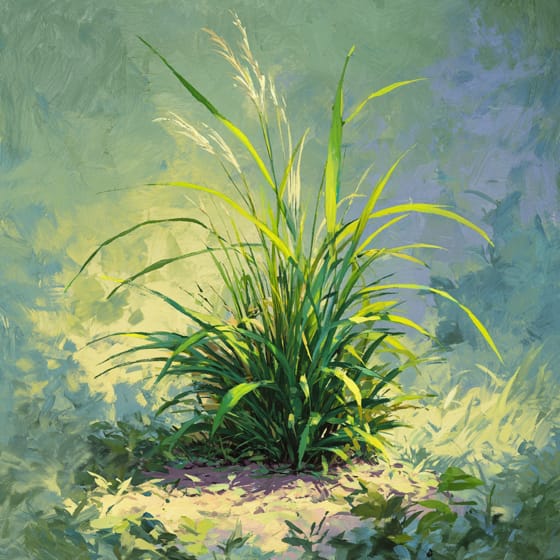
Poa pratensis
can be outcompeted by hound's-tongue
Furry describes animals possessing a dense covering of soft hair or fur.
Flowering plants are any plants that produce flowers as part of their reproductive cycle.
Biennial plants complete their life cycle over two growing seasons, typically forming foliage in the first year and flowering/seeding in the second.
Medicinal plants possess chemical compounds that can be used for therapeutic purposes to treat illnesses or maintain health.

Grassland habitats are terrestrial biomes dominated by grasses and herbaceous plants, supporting a variety of grazing animals.

Describes plants that are particularly attractive and beneficial to a wide range of pollinating organisms.
No aliases listed yet.
Danger
3/5 · Moderate
Do not eat any part of the plant, as it can be harmful.
The easiest way to identify hound's-tongue is to use the Snappit nature identifier app.
40-120 cm
30-60 cm
0.5-1 cm
Late spring to early summer
No
High
Biennial
Zoom in to split clusters and explore where this object has been snapped.

Wisconsin, US
You might spot Turkey, White-Tailed Deer, and Dame's Rocket.
View guide →

Illinois, US
You might spot Carolina Mantis and Goldenrod Soldier Beetle.
View guide →

Wyoming, US
You might spot Elk, American White Pelican, and Arrowleaf Balsamroot.
View guide →

Wisconsin, US
You might spot Common Eastern Bumble Bee, Red-Belted Bumble Bee, and Duck.
View guide →

Wyoming, US
You might spot Moose, Uinta Ground Squirrel, and American Bison.
View guide →

Nebraska, US
You might spot Showy Milkweed and Straight-Lined Wave.
View guide →
Take the discovery with you
Snap it with Snappit to identify it, learn what makes it special, and add the discovery to your collection.








.jpg&width=800)



_001.jpg&width=800)




