





Buff Footman
Eilema depressa
The Buff Footman is a fuzzy little caterpillar that turns into a beautiful moth! They are often found in gardens and fields, munching on leaves and enjoying the sunshine.
Habitat: Grasslands
The Buff Footman is a small, slender moth with buff to orange-yellow forewings, often featuring a darker streak along the front edge. Its hindwings are usually paler yellow or cream. The body is also yellowish, giving it a uniform, plain appearance.
Category
InsectsRarity
Common
Danger
1/5 · Very low
Snaps
Be the first to snap!
Buff Footman caterpillars are like tiny forest gardeners, keeping trees clean by eating algae.
Finding these moths often means the air quality is good, as lichens they eat are sensitive!
Its name 'Footman' comes from how it folds its wings tightly, like a footman's coat!
This moth's larvae sometimes build cocoons that look like fuzzy grey tubes stuck to bark.
Buff Footman caterpillars can eat lichens and algae because of special enzymes that help them digest these tough forest snacks.
Buff Footman caterpillars have fuzzy hairs that help protect them by irritating predators who try to take a bite.
Buff Footman moths can fly at night, which helps them find food and mates while avoiding daytime predators.
Moth sips nectar, caterpillar munches on unique forest snacks like lichen and algae.
Age differences: Larvae eat lichen and algae, while adult moths sip nectar from flowers.
Xanthoria parietina
Caterpillars graze on this lichen growing on trees.
Pipistrellus pipistrellus
Bats hunt adult moths flying at night for food.
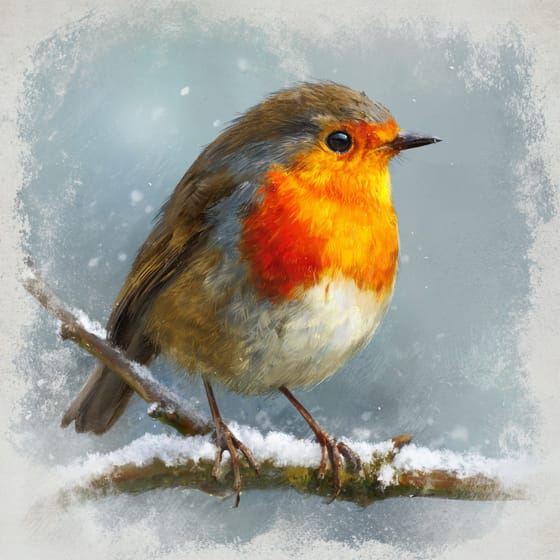
Erithacus rubecula
Birds may prey on caterpillars or adult moths.
Furry describes animals possessing a dense covering of soft hair or fur.
Solitary animals live alone for most of their lives, only interacting with others for mating or parental care.
Grassland habitats are terrestrial biomes dominated by grasses and herbaceous plants, supporting a variety of grazing animals.
This trait characterizes organisms whose diet consists entirely or primarily of plant material.

Nocturnal animals are primarily active during the nighttime hours, typically resting or sleeping during the day.

Describes organisms that transfer pollen, enabling the fertilization and reproduction of plants.
No aliases listed yet.
Danger
1/5 · Very low
Always look but don't touch caterpillars, as some can be sensitive.
The easiest way to identify Buff Footman is to use the Snappit nature identifier app.
25-30 mm
10-15 mm
10-20 days
8 km/h
Moth sips nectar, caterpillar munches on unique forest snacks like lichen and algae.
Grasslands
Foraging
Zoom in to split clusters and explore where this object has been snapped.
Recent snaps will appear here as new observations are added.
Take the discovery with you
Snap it with Snappit to identify it, learn what makes it special, and add the discovery to your collection.






.jpg&width=800)




