





Button Sage
Lantana involucrata
Button Sage is a cheerful little shrub with bright flowers that attract butterflies and bees. It loves sunny spots and can grow in gardens or wild areas, adding color to nature.
Habitat: Urban areas
The Button Sage has small, clustered flowers that are typically white or pale lavender, sometimes with a yellow center. Its rough, oval leaves emit a strong citrusy scent when crushed. This bushy shrub forms a rounded shape.
Category
PlantsRarity
Common
Danger
1/5 · Very low
Snaps
Be the first to snap!
Crush its leaves, and you'll smell a strong, zesty citrus fragrance!
Despite being called 'sage,' it's actually related to vervain, not true sage!
Its tiny flowers grow in tight bundles, resembling little buttons!
This tough plant can even grow right on rocky beaches in sunny places!
Its deep roots help Button Sage thrive in dry, sandy soils, surviving long periods without much water.
Button Sage has tiny, fragrant flowers that act like a beacon, attracting many butterflies and bees for pollination.
Button Sage's rough, scented leaves deter hungry herbivores, protecting the plant from being eaten.
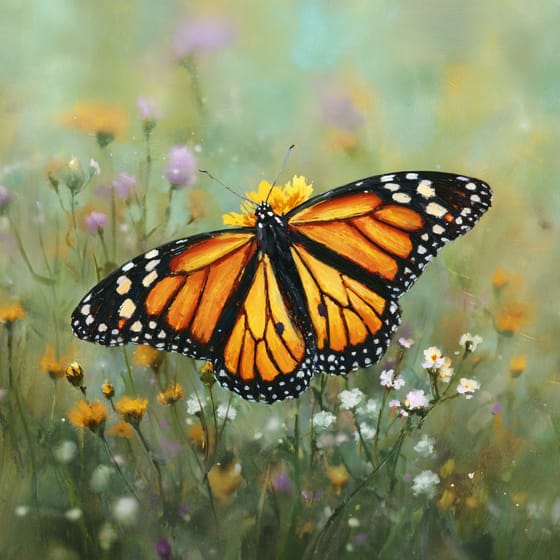
Danaus plexippus
Feeds on nectar and moves pollen.
Apis mellifera
Gathers nectar and carries pollen to other flowers.
.jpg&width=800)
Polioptila caerulea
Feeds on ripe berries, helping to spread seeds.
Aromatic plants produce and emit fragrant volatile organic compounds, often for defense or to attract pollinators.
Flowering plants are any plants that produce flowers as part of their reproductive cycle.
A shrub is a woody plant smaller than a tree, typically with multiple stems branching from or near the ground.
Summer blooming plants produce their flowers during the summer season, often providing vibrant color when many other plants have finished.

Fragrant flowers emit a pleasant aroma, often to attract pollinators or for defense.

Colorful describes organisms or objects displaying a wide range of bright and distinct colors.

Describes plants that are particularly attractive and beneficial to a wide range of pollinating organisms.

This habitat trait indicates species that can coexist with humans in urban and suburban environments, utilizing man-made structures and green spaces.
No aliases listed yet.
Danger
1/5 · Very low
Always wash your hands after touching plants, just to be safe!
The easiest way to identify Button Sage is to use the Snappit nature identifier app.
100-200 cm
100-200 cm
0.5-1 cm
Year-round in warm climates, otherwise spring to fall
No
Moderate
Perennial
Zoom in to split clusters and explore where this object has been snapped.
Recent snaps will appear here as new observations are added.
Take the discovery with you
Snap it with Snappit to identify it, learn what makes it special, and add the discovery to your collection.








.jpg&width=800)


_001.jpg&width=800)




