.jpg&width=800)





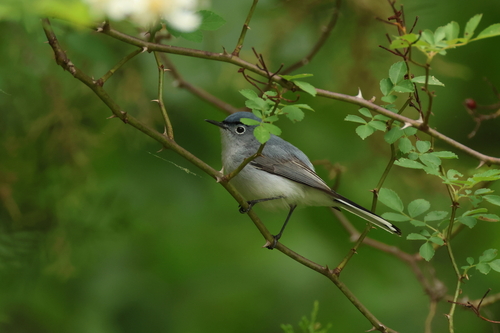
Blue-gray Gnatcatcher
Polioptila caerulea
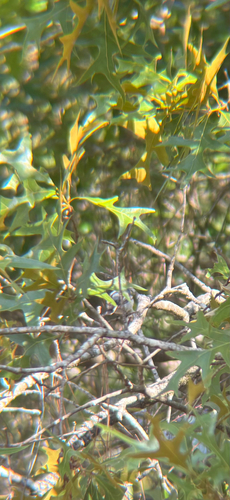
The Blue-gray Gnatcatcher is a small, lively bird with a beautiful blue-gray color. They love to flit around trees and bushes, searching for tiny insects to eat.
Habitat: Forests
The Blue-gray Gnatcatcher is a tiny, delicate bird with a slender build and a long tail. It has slate-blue-gray upperparts, white underparts, and a distinctive white eye-ring. Males in breeding season develop a thin black line above the eye.
Category
BirdsRarity
Common
Danger
1/5 · Very low
Snaps
33
Baby gnatcatchers grow so fast they leave their cozy nest in just two weeks!
During winter, hundreds of gnatcatchers might flock together for safety.
Sometimes, a tiny gnatcatcher will bravely chase much larger birds away!
Their amazing nests are often glued together with sticky spider silk!
Blue-gray Gnatcatchers can snatch tiny insects right out of the air with incredible speed, thanks to their agile flight.
Blue-gray Gnatcatchers build cup-shaped nests adorned with lichen, helping them blend perfectly into tree branches.
Blue-gray Gnatcatchers constantly flick their long tail, which may help them flush out hidden insects from leaves.
These tiny birds mostly feast on small insects and spiders, expertly plucking them from leaves or catching them mid-flight.

Accipiter striatus
Hunts gnatcatchers in dense forest and shrubbery.

Pantherophis obsoletus
Climbs trees to raid gnatcatcher nests for eggs and young.
Malacosoma americanum
Gnatcatchers feed on these common tree pests.
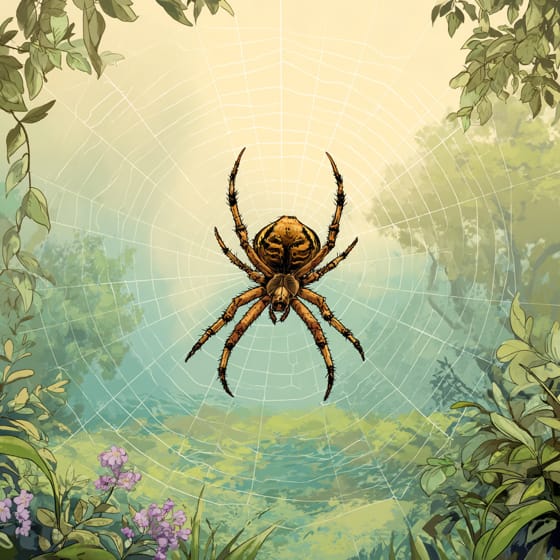
Araneus diadematus
Gnatcatchers use spider silk to glue their tiny nest together.
Feathered describes animals, primarily birds, possessing a covering of feathers.
Social animals live in organized groups, cooperating for survival benefits such as foraging, defense, and raising offspring.
Singing animals produce complex vocalizations, often for purposes of attracting mates, defending territory, or communicating within their species.
This trait identifies organisms whose diet primarily consists of insects and other small invertebrates.

Forest habitats are terrestrial environments dominated by dense tree cover, supporting a high diversity of plant and animal life.

Diurnal animals are primarily active during daylight hours, typically resting or sleeping at night.

Migratory animals undertake seasonal movements from one region to another, typically in response to changes in climate or food availability.
No aliases listed yet.
Danger
1/5 · Very low
Enjoy watching birds from a distance and don't disturb their nests.
The easiest way to identify Blue-gray Gnatcatcher is to use the Snappit nature identifier app.
10-13 cm
15-17 cm
0.005-0.007 kg
2-4 years
35 km/h
These tiny birds mostly feast on small insects and spiders, expertly plucking them from leaves or catching them mid-flight.
Forests
Zoom in to split clusters and explore where this object has been snapped.
Apr 26, 2026
Scottsville Historic DistrictPhoto attribution
(c) Andre Knocklein, some rights reserved (CC BY)
License: CC BY 4.0 ↗
Image may be shown cropped inside the card frame.
Apr 21, 2026
Morningside Nature CenterPhoto attribution
(c) Emily Geest, some rights reserved (CC BY)
License: CC BY 4.0 ↗
Image may be shown cropped inside the card frame.

Alabama, US
You might spot Elf Orpine, Canada Goose, and Leatherleaf Mahonia.
View guide →

Ohio, US
You might spot Spotted Lanternfly and White-Tailed Deer.
View guide →

New Mexico, US
You might spot Pronghorn, Great-Tailed Grackle, and Redstem Stork's-Bill.
View guide →
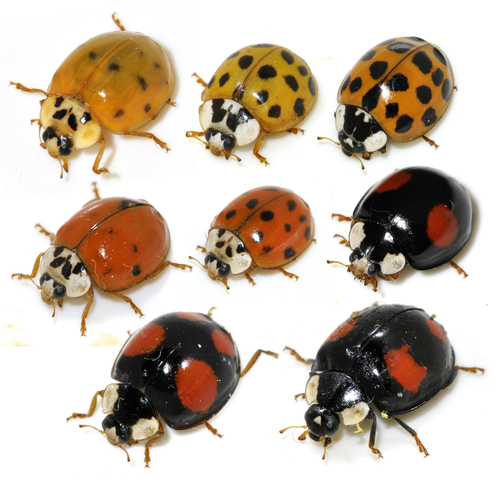
Virginia, US
You might spot Asian Lady Beetle and Eastern Tiger Swallowtail.
View guide →

Alabama, US
You might spot Elf Orpine, Canada Goose, and Great Blue Heron.
View guide →
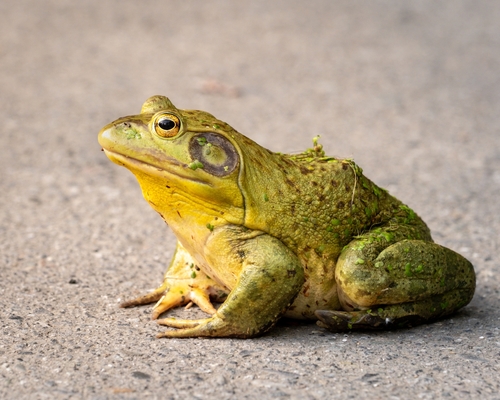
Virginia, US
You might spot American Bullfrog, Snapping Turtle, and Great Blue Heron.
View guide →
Take the discovery with you
Snap it with Snappit to identify it, learn what makes it special, and add the discovery to your collection.




.jpg&width=800)







