





Green Iguana
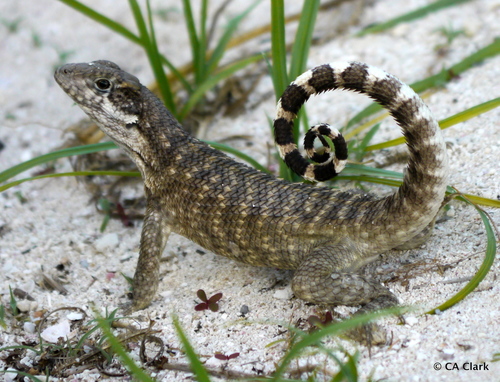
Curry Hammock State Park, nestled in the heart of the Florida Keys between Marathon and Long Key, is a true natural gem offering a tranquil escape into Florida's wild side.
Curry Hammock State Park, nestled in the heart of the Florida Keys between Marathon and Long Key, is a true natural gem offering a tranquil escape into Florida's wild side. Spanning over 1,000 acres across a chain of islands, it protects crucial mangrove swamps, rockland hammocks, and seagrass beds vital to the unique Keys ecosystem. This family-friendly destination provides a serene alternative to more crowded Keys attractions, inviting visitors to immerse themselves in stunning coastal beauty and abundant wildlife.
The park is a haven for outdoor enthusiasts, featuring diverse habitats that are home to a remarkable array of species. On land, explore tropical hardwood hammocks where you might spot a Northern Curly-tailed Lizard or a Green Iguana, alongside native flora like red mangrove, black mangrove, and the endangered Florida Thatch Palm. The calm, shallow waters are perfect for kayaking through intricate mangrove tunnels, where you can observe marine life such as spotted eagle rays, stingrays, and even manatees. Birdwatchers will delight in sightings of Magnificent Frigatebirds, Brown Pelicans, White Ibises, and various migrating warblers.
Whether you're paddling through clear turquoise waters, hiking a nature trail, or simply relaxing on the quiet beach, Curry Hammock State Park offers memorable experiences for all ages. It's a place where you can disconnect from the everyday and reconnect with nature, appreciating the delicate balance of the Keys' unique environment. With its protected ecosystems and opportunities for wildlife viewing and outdoor recreation, it’s an ideal destination for those seeking an authentic Florida Keys adventure. Be ready to snap and learn! Get the Snappit app to identify any nature species you find here.
Curry Hammock State Park was established in 1991, acquiring its initial land with funds from the Conservation and Recreation Lands (CARL) program. The park's name honors Lamar Louise Curry, a dedicated teacher from Miami who left a significant mark on the community. Spanning over 1,000 acres, it represents the largest undeveloped parcel of land between Key Largo and Big Pine Key, preserving invaluable mangrove swamps, rockland hammocks, and seagrass beds for future generations. Indigenous peoples, such as the Calusa and Tequesta tribes, traditionally inhabited these lands. In the 1500s, European settlers were drawn to the area for fishing and salvaging shipwrecks, a testament to the long-standing appeal of the Keys' marine resources. The park's protection ensures the continued preservation of these unique natural environments, which are integral to both Florida's ecological health and cultural heritage.
Paddling: Kayak or paddleboard through mangrove tunnels and observe marine life like manatees, spotted eagle rays, and diverse fish.
Hiking and Biking: Explore the Curry Hammock Nature Trail (hiking only) or the paved Grassy Key Trail, which is part of the Florida Keys Overseas Heritage Trail.
Wildlife Viewing: Look for Green Iguanas and Northern Curly-tailed Lizards on land, and numerous bird species, including White Ibises, Brown Pelicans, and Magnificent Frigatebirds, throughout the park.
Relaxation: Enjoy the beach, picnic areas with grills, or simply unwind amidst the natural beauty.
Fall and Winter (November-April): Mild temperatures, less humidity, and lower insect activity. This is also prime time for raptor migration, making it excellent for birdwatching.
Spring and Summer (May-October): Hot and humid, with a higher chance of rain and mosquitoes. While campsites might be easier to book, insect repellent is essential. Hurricane season runs from June to November.
Curry Hammock State Park offers accessible restrooms and picnic pavilions. Site 1 in the campground is ADA accessible, and all campground facilities, including the bathhouse, are accessible. The 1.5-mile nature trail is relatively flat, suitable for various fitness levels, though the tread can be uneven.
Explore the calm flats, shaded mangrove tunnels, and shallow coves. Ranger-led tours are often available.
A 1.5-mile trail winding through coastal hammocks, mangroves, and tidal marshes, featuring interpretive signs.
Enjoy ocean views from one of the 28 campsites.
A quiet beach perfect for swimming, sunbathing, or enjoying the ocean breeze.
Each card links to a full Explore page with photos, traits, and fun facts.
Start with the big picture, then zoom in to explore individual wildlife observations around this place.
Book Camping Early
Campsites are limited (28 sites) and popular, especially from November to April, so reserve 10-11 months in advance.
Bring Insect Repellent
Mosquitoes can be prevalent, especially during warmer months or after rain; bug spray is a must.
Stay Hydrated and Sun Protected
The Florida sun is intense. Bring plenty of water, sunscreen, a hat, and sunglasses.
Explore by Water
Kayaking or paddleboarding is highly recommended to experience the mangrove tunnels and observe marine life. You can bring your own or rent equipment at the park.
Wear Appropriate Footwear
For hiking, especially on the Curry Hammock Nature Trail, wear closed-toe shoes as the tread can be uneven.
Check Tides for Paddling
For the best experience navigating mangrove tunnels, plan your paddling trip around high tide.
Mar 3, 2026
Feb 28, 2026
Feb 22, 2026
Feb 17, 2026
Feb 17, 2026

Maryland, US
You might spot White-Tailed Deer and Eastern Gray Squirrel.
View guide →
.jpg)
District of Columbia, US
You might spot Eastern Gray Squirrel, Duck, and House Sparrow.
View guide →

Illinois, US
You might spot American Robin, Canada Goose, and House Sparrow.
View guide →

Virginia, US
You might spot Spotted Lanternfly and Northern Cardinal.
View guide →
Take the discovery with you
Identify the wildlife you spot, learn as you go, and keep a collection of the adventure.





















