





Cabbage Stem Weevil
Ceutorhynchus pallidactylus
The Cabbage Stem Weevil is a small bug that loves to munch on cabbage and other plants. It has a long snout and tiny legs, making it look quite unique!
Habitat: Gardens
The Cabbage Stem Weevil is a small, oval-shaped beetle, typically dull black or dark grey, often appearing dusty due to fine scales. It has a characteristic long, slender snout (rostrum) that extends forward from its head, making it distinctly a weevil.
Category
InsectsRarity
Common
Danger
1/5 · Very low
Snaps
Be the first to snap!
It can play dead when scared, freezing perfectly still to trick predators!
Its babies live completely hidden inside plant stems, safe from most dangers!
They are not picky, munching on cabbage, broccoli, and even mustard plants!
Weevils use their long snouts like a tiny drill to make perfect holes!
Cabbage Stem Weevil can lay its eggs inside plant stems, providing a safe, hidden nursery for its young to develop.
Cabbage Stem Weevil has a long, slender snout that helps them bore into plant tissues to feed and lay eggs.
Cabbage Stem Weevil can detect specific chemical signals from brassica plants, helping them find their preferred food sources.
These tiny beetles munch on the stems and leaves of cabbage, broccoli, and other leafy greens.
Age differences: Larvae feed exclusively inside plant stems; adults feed externally on leaves and stems.

Brassica oleracea
Primary host plant for feeding and reproduction.
Brassica napus
Important host plant in agricultural settings.
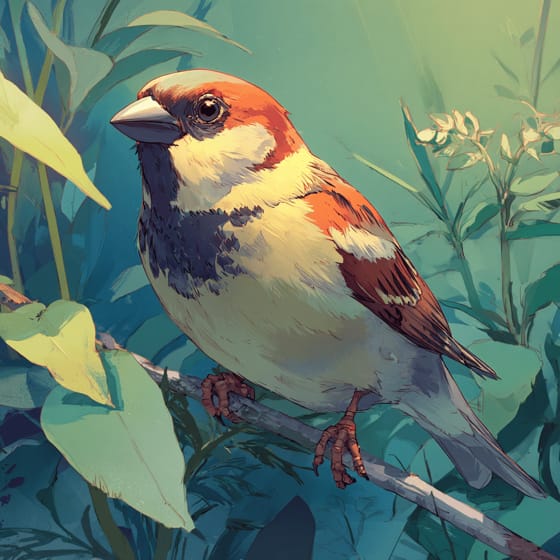
Passer domesticus
Common bird that preys on small insects.
Pterostichus melanarius
Ground beetles are generalist predators of soil-dwelling insects.
Solitary animals live alone for most of their lives, only interacting with others for mating or parental care.
This trait characterizes organisms whose diet consists entirely or primarily of plant material.
Pertaining to species that are significantly smaller than typical or average for their kind.
This habitat trait indicates species that can coexist with humans in urban and suburban environments, utilizing man-made structures and green spaces.

Describes organisms that transfer pollen, enabling the fertilization and reproduction of plants.
No aliases listed yet.
Danger
1/5 · Very low
It's best to look at bugs like this from a distance and not touch them.
The easiest way to identify Cabbage Stem Weevil is to use the Snappit nature identifier app.
2.5-3.5 mm
30-90 days
These tiny beetles munch on the stems and leaves of cabbage, broccoli, and other leafy greens.
Gardens
Foraging
6
Zoom in to split clusters and explore where this object has been snapped.
Recent snaps will appear here as new observations are added.
Take the discovery with you
Snap it with Snappit to identify it, learn what makes it special, and add the discovery to your collection.








.jpg&width=800)




