.jpg&width=800)





Calidris Sandpipers
Calidris
Calidris sandpipers are small, wading birds that love to run along the shore. They have long legs and beaks that help them find tiny food in the sand and water.
Habitat: Coastal areas
The Calidris Sandpipers are small to medium shorebirds with compact bodies, typically sporting brownish-grey upperparts and lighter, often streaked, underparts. Their bill shapes and lengths vary, from short and stout to moderately long and slightly downcurved, but they all share an active, bustling appearance near water.
Category
BirdsRarity
Common
Danger
1/5 · Very low
Snaps
Be the first to snap!
Baby sandpipers are called "precocial" because they can walk and feed themselves very soon after hatching!
Some species of sandpipers completely change their feather colors for breeding season!
Their tiny, three-toed footprints are often the only clue that these busy birds were there!
They can drink salty ocean water and still stay hydrated thanks to special glands!
Calidris Sandpipers have highly sensitive bill tips that help them detect tiny prey hidden beneath the sand and mud without seeing it.
Calidris Sandpipers can fly thousands of miles during migration because they have incredible endurance and efficient flight patterns.
Calidris Sandpipers have cryptic plumage that helps them blend perfectly with their sandy or muddy surroundings, avoiding predators.
Calidris Sandpipers can quickly probe the ground many times per second to catch small invertebrates before they can escape.
They feast on tiny creatures like worms and crustaceans found in wet sand and mud.
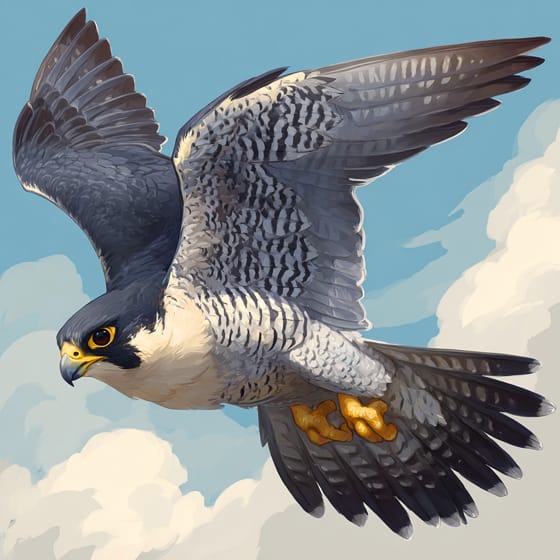
Falco peregrinus
A swift aerial predator of shorebirds.
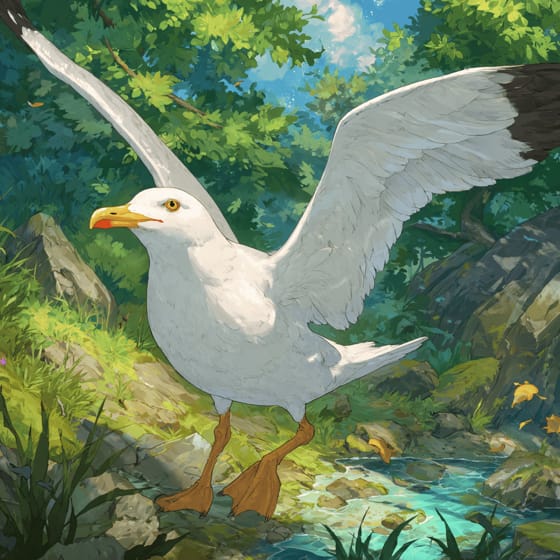
Larus argentatus
Gulls can prey on sandpipers, especially juveniles.
Arenicola marina
A common prey item found in sandy and muddy substrates.
Corophium volutator
Small crustaceans often found in tidal flats, a key food source.
Feathered describes animals, primarily birds, possessing a covering of feathers.
Characterized by having toes connected by a membrane, typically aiding in swimming.
Social animals live in organized groups, cooperating for survival benefits such as foraging, defense, and raising offspring.
This trait identifies organisms whose diet primarily consists of insects and other small invertebrates.

Coastal habitats are dynamic environments located along the interface between land and sea, influenced by tides, waves, and saltwater.

Diurnal animals are primarily active during daylight hours, typically resting or sleeping at night.

This trait identifies organisms that exhibit exceptional swiftness in movement for hunting, escape, or travel.

Migratory animals undertake seasonal movements from one region to another, typically in response to changes in climate or food availability.
No aliases listed yet.
Danger
1/5 · Very low
Always watch sandpipers from a distance so you don't scare them away.
The easiest way to identify Calidris Sandpipers is to use the Snappit nature identifier app.
13-25 cm
25-50 cm
0.02-0.12 kg
5-15 years
60 km/h
They feast on tiny creatures like worms and crustaceans found in wet sand and mud.
Coastal areas
Zoom in to split clusters and explore where this object has been snapped.
Recent snaps will appear here as new observations are added.
Take the discovery with you
Snap it with Snappit to identify it, learn what makes it special, and add the discovery to your collection.




.jpg&width=800)








