





Crowded Cuplet
merismodes fasciculata
The Crowded Cuplet is a lively little bird that loves to flit around in groups! With its colorful feathers and cheerful chirps, it brings joy to the forest.
Habitat: They live in lush forests and wooded areas, often near water sources.
The Crowded Cuplet is a small, stout bird with a rich, iridescent blue-green back and a rust-orange belly. Its most distinctive feature is a series of tightly packed, pale yellow, cup-shaped markings on its dark cap and wings, giving it a 'crowded' appearance unlike any other bird.
Category
BirdsRarity
Common
Danger
0/5 · No known danger
Snaps
Be the first to snap!
A group of Crowded Cuplets is playfully called a "Jubilee" due to their cheerful calls.
Cuplets can quickly change the direction of their flight, even mid-air, avoiding obstacles with ease.
These birds build amazing cup-shaped nests, weaving them so tightly they can hold water!
They use tiny stones to help digest tough seeds, acting like nature's own grinding machine!
Crowded Cuplet can perfectly mimic other bird calls and sounds because of its complex vocal cords that help them communicate across different species.
Crowded Cuplet has intricate feather patterns that help them blend seamlessly into dappled forest light, making them almost impossible to spot.
Crowded Cuplets can perform complex aerial dances in huge flocks that help them confuse predators and move efficiently as a group.
A little bit of everything! They love seeds, insects, and berries, keeping their diet varied and delicious.
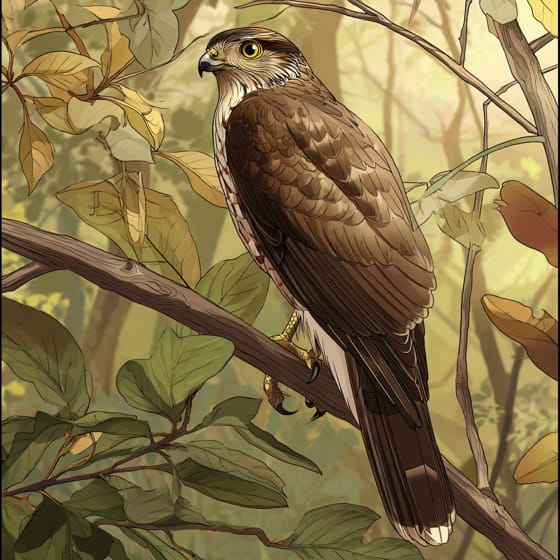
Accipiter cooperii
A swift hunter that preys on smaller birds, including Cuplets.

Quercus alba
Provides essential shelter and a bounty of acorns and insects.
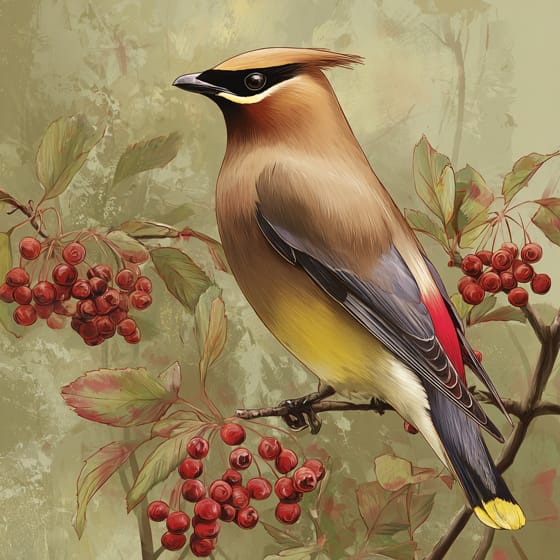
Bombycilla cedrorum
Often forages in mixed flocks, sharing berry patches.

Canis latrans
Sometimes preys on ground-feeding Cuplets near forest edges.
Social animals live in organized groups, cooperating for survival benefits such as foraging, defense, and raising offspring.
Arboreal animals live primarily in trees, utilizing them for shelter, food, and protection from predators.
Colorful describes organisms or objects displaying a wide range of bright and distinct colors.
Diurnal animals are primarily active during daylight hours, typically resting or sleeping at night.

Nocturnal animals are primarily active during the nighttime hours, typically resting or sleeping during the day.
Danger
0/5 · No known danger
Do not try to catch or handle wild birds.
The easiest way to identify Crowded Cuplet is to use the Snappit nature identifier app.
12-15 cm
22-26 cm
0.02-0.03 kg
3-6 years
45 km/h
A little bit of everything! They love seeds, insects, and berries, keeping their diet varied and delicious.
They live in lush forests and wooded areas, often near water sources.
Zoom in to split clusters and explore where this object has been snapped.
Recent snaps will appear here as new observations are added.
Take the discovery with you
Snap it with Snappit to identify it, learn what makes it special, and add the discovery to your collection.




.jpg&width=800)








