.jpg&width=800)





Scarlet Tanager
Piranga olivacea
The Scarlet Tanager is a bright red bird with black wings and a cheerful song. They love to eat insects and fruits, making them fun to spot in the trees during summer!
Habitat: Forests
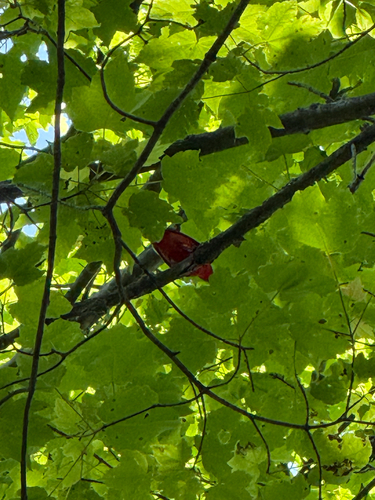
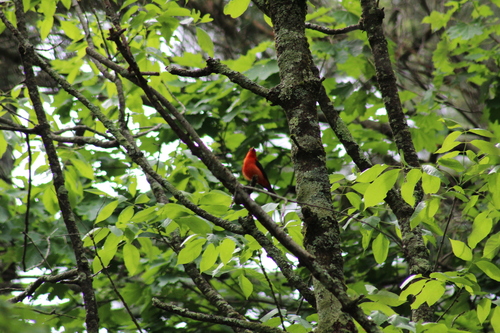
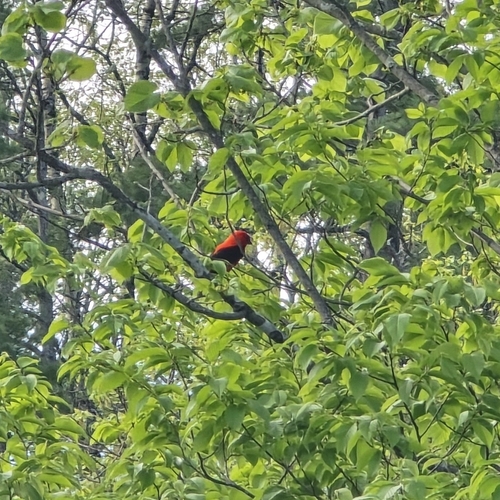
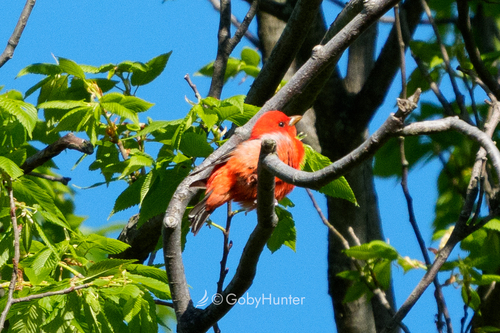
The Scarlet Tanager male is strikingly bright scarlet red with jet-black wings and tail, making it easy to spot against green leaves. Females are yellowish-green with dusky wings, blending better into the forest. It differs from other red birds by its unique combination of brilliant red body and distinct black wings.
Category
BirdsRarity
Common
Danger
1/5 · Very low
Snaps
31
Male tanagers lose their vibrant red feathers in autumn, becoming greenish-yellow like the females!
Their unique song is often described as sounding like a 'robin with a sore throat,' a distinctive whistle.
They journey from North America to South America every year, flying over 3,000 miles!
Unlike many birds, Scarlet Tanagers have special enzymes to digest the fuzzy skin of toxic caterpillars!
Scarlet Tanager can migrate thousands of kilometers because it has amazing endurance, flying all the way to South America each year.
Scarlet Tanager has bright red feathers that change to dull greenish-yellow in autumn, helping it blend in while molting.
Scarlet Tanager can safely eat hairy caterpillars that many other birds avoid, thanks to its specialized foraging skills.
Tiny bugs and juicy berries are the Scarlet Tanager's favorite foods!
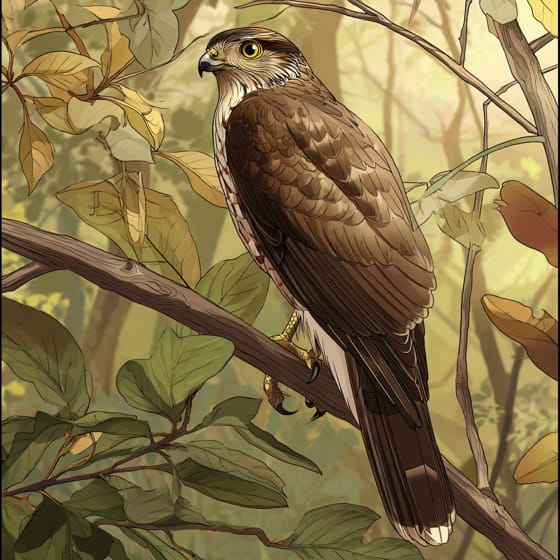
Accipiter cooperii
A swift forest hunter that preys on many songbirds.
Pantherophis obsoletus
Climbs trees to raid nests for eggs and chicks.
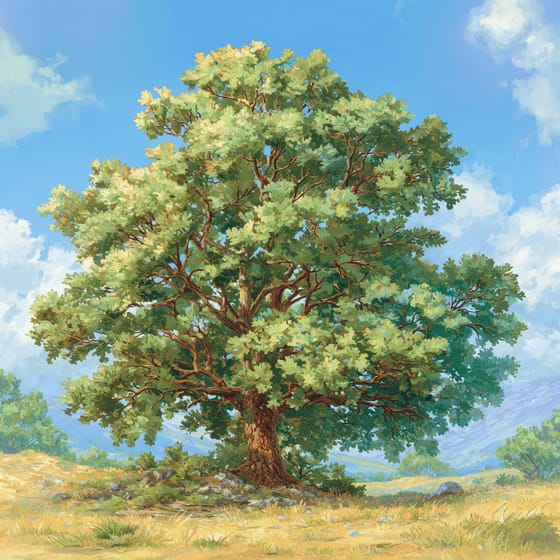
Quercus alba
Provides numerous insects like caterpillars for food.
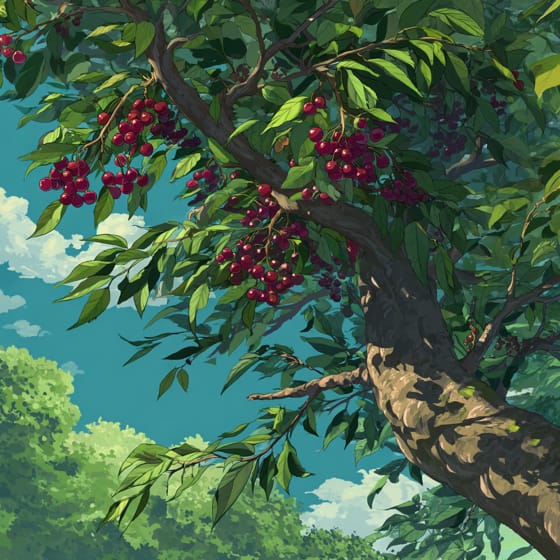
Prunus serotina
Consumes its ripe, dark fruits during late summer migration.
.jpg&width=800)
Molothrus ater
Lays its eggs in tanager nests, making the tanagers raise its young.
Feathered describes animals, primarily birds, possessing a covering of feathers.
Social animals live in organized groups, cooperating for survival benefits such as foraging, defense, and raising offspring.
Singing animals produce complex vocalizations, often for purposes of attracting mates, defending territory, or communicating within their species.
Colorful describes organisms or objects displaying a wide range of bright and distinct colors.

This trait identifies organisms whose diet primarily consists of insects and other small invertebrates.

Forest habitats are terrestrial environments dominated by dense tree cover, supporting a high diversity of plant and animal life.

Diurnal animals are primarily active during daylight hours, typically resting or sleeping at night.

Migratory animals undertake seasonal movements from one region to another, typically in response to changes in climate or food availability.
No aliases listed yet.
Danger
1/5 · Very low
Enjoy watching birds from a distance and do not disturb their nests.
The easiest way to identify Scarlet Tanager is to use the Snappit nature identifier app.
16-19 cm
25-29 cm
0.023-0.038 kg
6-11 years
35 km/h
Tiny bugs and juicy berries are the Scarlet Tanager's favorite foods!
Forests
Zoom in to split clusters and explore where this object has been snapped.
Jun 5, 2026
Cornell Botanic GardensPhoto attribution
(c) Cameron Christopher Dunn, some rights reserved (CC BY-SA)
License: CC BY-SA 4.0 ↗
Image may be shown cropped inside the card frame.
May 25, 2026
Broadmoor Wildlife SanctuaryPhoto attribution
(c) Lythronax246, some rights reserved (CC BY)
License: CC BY 4.0 ↗
Image may be shown cropped inside the card frame.
May 20, 2026
Orford Street Historic DistrictPhoto attribution
(c) Troi Perkins, some rights reserved (CC BY)
License: CC BY 4.0 ↗
Image may be shown cropped inside the card frame.
May 12, 2026
Awbury ArboretumPhoto attribution
(c) GobyHunter, some rights reserved (CC BY)
License: CC BY 4.0 ↗
Image may be shown cropped inside the card frame.

Pennsylvania, US
You might spot American Robin, Red-Winged Blackbird, and Lesser Celandine.
View guide →

Michigan, US
You might spot Yellow Lady's Slipper and Ring-Billed Gull.
View guide →

Illinois, US
You might spot Eastern Fox Squirrel, Amur Honeysuckle, and Poison Hemlock.
View guide →

New Jersey, US
You might spot Eastern Gray Squirrel and House Sparrow.
View guide →

New Jersey, US
You might spot American Beech, Garlic Mustard, and Spotted Lanternfly.
View guide →

Virginia, US
You might spot Duck, Eastern Gray Squirrel, and Painted Turtle.
View guide →
Take the discovery with you
Snap it with Snappit to identify it, learn what makes it special, and add the discovery to your collection.




.jpg&width=800)






