





Cameraria
Cameraria
Cameraria is a tiny insect that often hides in leaves. These little creatures are known for their beautiful patterns and colors, making them special in the world of bugs!
Habitat: Urban areas
The Cameraria is a tiny moth, usually less than a centimeter long, with delicate wings often mottled in shades of brown, grey, or silver with darker markings. Its flattened body helps it navigate tight spaces. The wings sometimes show intricate patterns resembling stained glass, making it subtly distinct from other small moths.
Category
InsectsRarity
Common
Danger
1/5 · Very low
Snaps
Be the first to snap!
A tiny Cameraria moth can cause big problems for giant trees by damaging leaves!
Larvae live entirely inside leaves, eating tunnels for weeks!
Some species were accidentally moved worldwide by people, becoming invasive pests!
They create spooky 'mines' or patterns on leaves that you can clearly see!
Cameraria larvae can tunnel within plant leaves, safely hidden while they eat and grow.
Cameraria pupae develop inside their leaf-mine tunnels, protected from weather and predators.
Adult Cameraria moths have mottled wings that help them blend seamlessly with tree bark and leaves.
Cameraria larvae eat the insides of tree leaves; adult moths often do not feed or sip nectar.
Age differences: Larvae eat plant leaves, tunneling inside. Adults typically do not feed or may consume small amounts of nectar.

Aesculus hippocastanum
Cameraria larvae tunnel and feed inside its leaves.
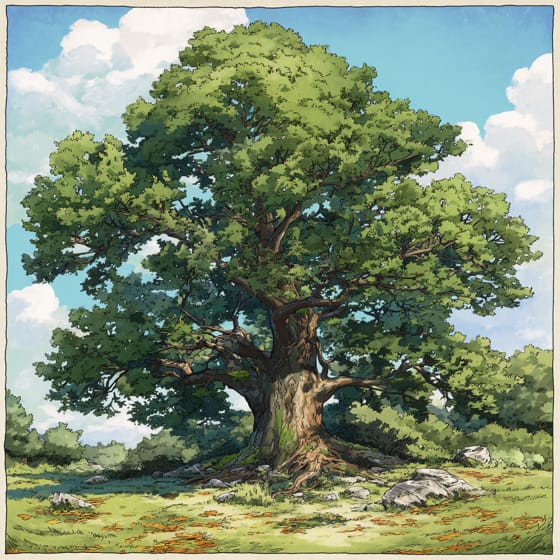
Quercus robur
Its leaves are a food source for several Cameraria species.
%2C_Parc_de_Woluw%C3%A9%2C_Brussels_(13042792905).jpg&width=800)
Parus major
Young birds often eat Cameraria larvae from leaves.
Chrysocharis prodice
This tiny wasp lays eggs on or in Cameraria larvae.
Solitary animals live alone for most of their lives, only interacting with others for mating or parental care.
Colorful describes organisms or objects displaying a wide range of bright and distinct colors.
This trait characterizes organisms whose diet consists entirely or primarily of plant material.
Diurnal animals are primarily active during daylight hours, typically resting or sleeping at night.

Pertaining to species that are significantly smaller than typical or average for their kind.

This habitat trait indicates species that can coexist with humans in urban and suburban environments, utilizing man-made structures and green spaces.

Describes organisms that transfer pollen, enabling the fertilization and reproduction of plants.
No aliases listed yet.
Danger
1/5 · Very low
It's best to look at insects from a distance and not touch them, as they can be delicate.
The easiest way to identify Cameraria is to use the Snappit nature identifier app.
5-10 mm
3-6 mm
5-14 days
Cameraria larvae eat the insides of tree leaves; adult moths often do not feed or sip nectar.
Urban areas
Foraging
6
Zoom in to split clusters and explore where this object has been snapped.
Recent snaps will appear here as new observations are added.
Take the discovery with you
Snap it with Snappit to identify it, learn what makes it special, and add the discovery to your collection.







.jpg&width=800)



