





Painted Lichen Moth
Hypoprepia fucosa
The Painted Lichen Moth is a colorful insect that loves to rest on tree bark and rocks. Its beautiful patterns help it blend in with nature, making it a special sight to see!
Habitat: Forests
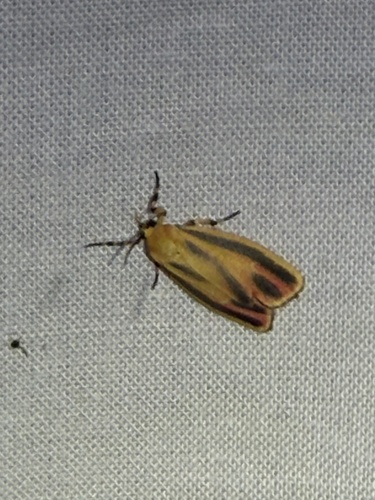
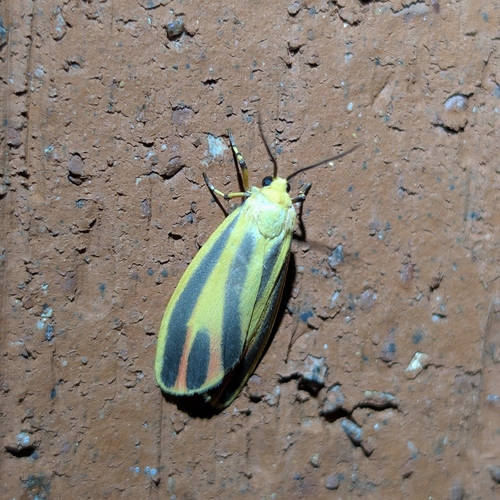
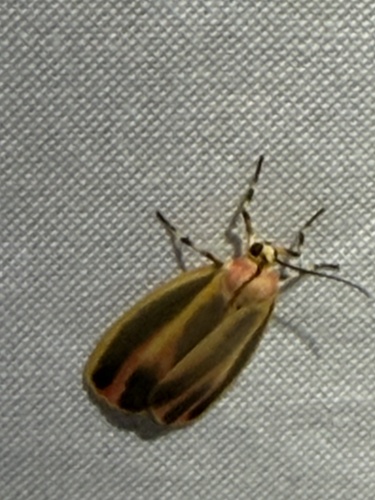
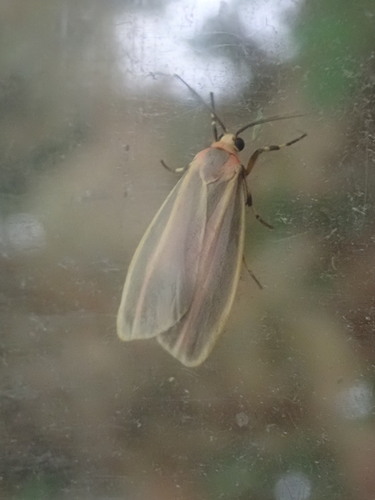
The Painted Lichen Moth has vibrant orange-red forewings outlined with dark grey or black bands, contrasting with delicate pink hindwings edged in black. Its striking colors make it look like a tiny, winged piece of art.
Category
InsectsRarity
Common
Danger
1/5 · Very low
Snaps
10
If attacked, this moth can drop defensive chemicals, startling predators away!
Its caterpillar stage is super fuzzy, covered in bristles like a tiny bottle brush!
Most moths hide during the day, but this colourful one bravely flies in daylight!
Though a moth, its bold patterns often make people think of bright butterflies!
Painted Lichen Moth uses bright warning colors that tell predators it tastes bad, helping them avoid being eaten.
Painted Lichen Moth larvae can eat tough lichens thanks to special enzymes that break down these unique foods.
Painted Lichen Moth can fly actively during the day, helping it find food and mates when other moths hide.
Larvae munch on lichens; adults usually don't eat or sip nectar.
Age differences: Larvae feed on lichens, while adults primarily focus on reproduction and usually do not feed, or only sip nectar.
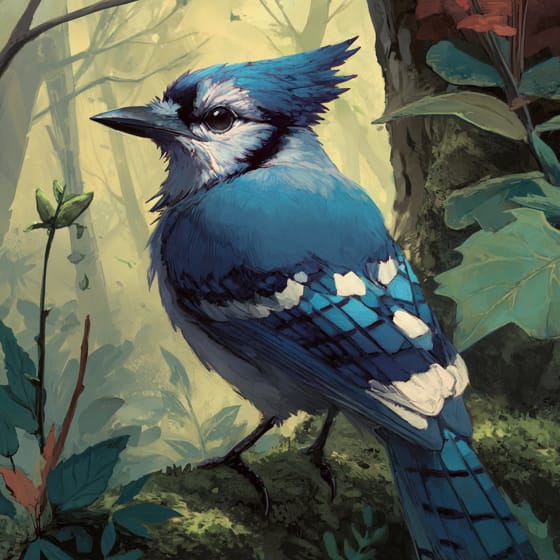
Cyanocitta cristata
A common bird that preys on moths and other insects.
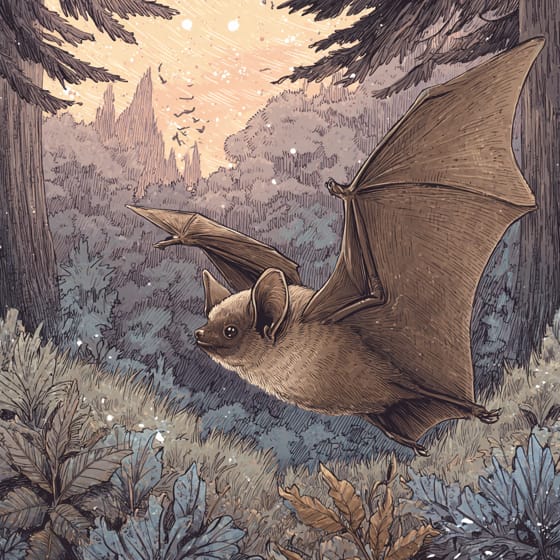
Myotis lucifugus
A nocturnal predator that hunts moths using echolocation.
Hypogymnia physodes
Larvae feed on this common lichen found on trees.

Flavoparmelia caperata
Its larvae graze on this widespread foliose lichen.
Solitary animals live alone for most of their lives, only interacting with others for mating or parental care.
Camouflaged describes organisms that possess coloring or patterns that allow them to blend into their environment.
Colorful describes organisms or objects displaying a wide range of bright and distinct colors.
This trait characterizes organisms whose diet consists entirely or primarily of plant material.

Forest habitats are terrestrial environments dominated by dense tree cover, supporting a high diversity of plant and animal life.

Diurnal animals are primarily active during daylight hours, typically resting or sleeping at night.

Describes organisms that transfer pollen, enabling the fertilization and reproduction of plants.
No aliases listed yet.
Danger
1/5 · Very low
Always look but don't touch insects, as some can be delicate or might not like being handled.
The easiest way to identify Painted Lichen Moth is to use the Snappit nature identifier app.
25-38 mm
10-15 mm
7-14 days
5-10 km/h
Larvae munch on lichens; adults usually don't eat or sip nectar.
Forests
Foraging
Zoom in to split clusters and explore where this object has been snapped.
Jun 6, 2026
Auburn University Historic DistrictPhoto attribution
(c) Djibo Zanzot, some rights reserved (CC BY-SA)
License: CC BY-SA 4.0 ↗
Image may be shown cropped inside the card frame.
Jun 5, 2026
The State Botanical Garden of GeorgiaPhoto attribution
(c) Leila Dasher, some rights reserved (CC BY)
License: CC BY 4.0 ↗
Image may be shown cropped inside the card frame.
Jun 5, 2026
Auburn University Historic DistrictPhoto attribution
(c) Djibo Zanzot, some rights reserved (CC BY-SA)
License: CC BY-SA 4.0 ↗
Image may be shown cropped inside the card frame.
Jul 21, 2023
Doane's FallsPhoto attribution
no rights reserved
License: CC0 1.0 ↗
Image may be shown cropped inside the card frame.

Maryland, US
You might spot Crane-Fly Orchid, Fragile Forktail, and Ebony Jewelwing.
View guide →

Oklahoma, US
You might spot Western Ratsnake and Spotted Chorus Frog.
View guide →

Virginia, US
You might spot Eastern Gray Squirrel, Duck, and Northern Mockingbird.
View guide →

Indiana, US
You might spot Common Reed, Rosepink, and Bearberry.
View guide →

Georgia, US
You might spot Asian Lady Beetle, Anole, and Joro Spider.
View guide →

Alabama, US
You might spot Eastern Gray Squirrel and Northern Mockingbird.
View guide →
Take the discovery with you
Snap it with Snappit to identify it, learn what makes it special, and add the discovery to your collection.







.jpg&width=800)


