





Camphor
camphora officinarum
The Camphor tree is known for its aromatic leaves that smell like mint! It's a great tree to find in parks and gardens, and its leaves can be used to make fragrant oil.
Habitat: Camphor trees thrive in warm, moist environments, often found in forests and gardens.
The Camphor tree is a large evergreen with a dense, spreading crown and deeply fissured, light brown bark. Its glossy, dark green leaves are oval-shaped, turning reddish before falling, and tiny, greenish-white flowers appear in spring.
Category
PlantsRarity
Common
Danger
1/5 · Very low
Snaps
1
Its super strong wood was once used to build ancient ships and beautiful temples!
Many perfumes and soaps use special chemicals inspired by the camphor's scent!
Some camphor trees in Japan are over 1,000 years old and incredibly enormous!
When you crush its leaves, they smell just like a cough drop or chest rub!
Camphor can release a strong, distinctive aroma that helps deter pests and herbivores from munching on its leaves.
Camphor has tough, glossy evergreen leaves that help it survive droughts and stay green and productive all year long.
Camphor has special glands in its leaves and wood that produce camphor, a powerful chemical for defense and medicine.
Apis mellifera
collects nectar from its flowers
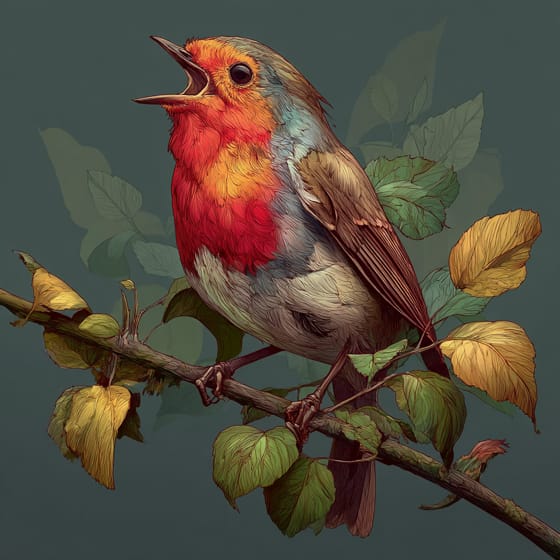
Turdus migratorius
consumes its small, dark berries
Papilio polytes
caterpillars feed on its leaves
Herbaceous plants are non-woody plants with soft stems that typically die back to the ground at the end of the growing season.
Aromatic plants produce and emit fragrant volatile organic compounds, often for defense or to attract pollinators.
Solitary animals live alone for most of their lives, only interacting with others for mating or parental care.
Evergreen plants retain their foliage throughout the year, never shedding all their leaves at once.

Forest habitats are terrestrial environments dominated by dense tree cover, supporting a high diversity of plant and animal life.
Danger
1/5 · Very low
Camphor oil should be used carefully and not ingested.
The easiest way to identify Camphor is to use the Snappit nature identifier app.
2000-3000 cm
1000-2000 cm
0.2-0.5 cm
Spring
No
Moderate
Perennial
Zoom in to split clusters and explore where this object has been snapped.

Georgia, US
You might spot American Alligator, Laughing Gull, and Cannonball Jelly.
View guide →

California, US
You might spot Conifers, Buttercups, and Gourd Family.
View guide →
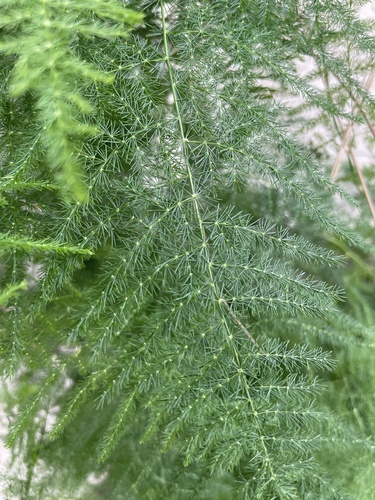
Florida, US
You might spot Common Asparagus Fern, Great Egret, and Baldcypress.
View guide →
Take the discovery with you
Snap it with Snappit to identify it, learn what makes it special, and add the discovery to your collection.








.jpg&width=800)



_001.jpg&width=800)



