





Canadian Imperial Moth
Eacles pini
The Canadian Imperial Moth is a large, colorful moth with bright yellow and green markings. It is known for its beautiful wings that look like a work of art in nature!
Habitat: Forests
The Canadian Imperial Moth has a stout, furry body and distinctive yellow wings adorned with reddish-brown to purplish-brown markings. Each wing often features a small, white discal spot, and some may show faint "eyespots". Its size and striking coloration make it stand out among forest insects.
Category
InsectsRarity
Common
Danger
1/5 · Very low
Snaps
Be the first to snap!
Female moths release special scents called pheromones to attract mates from far away!
Its huge caterpillars can grow as long as a child's finger before turning into a moth!
The moth's furry body acts like a warm coat, helping it fly even on cool nights!
Unlike butterflies, these moths often rest with their wings held flat or tent-like!
Canadian Imperial Moths, as adults, do not need to eat because they have stored enough energy as a caterpillar to power their flight and reproduction.
Canadian Imperial Moth caterpillars can change color to perfectly match their host plants, which helps them hide from hungry birds.
Canadian Imperial Moths are strong nocturnal fliers that can navigate in darkness to find mates and disperse widely.
Canadian Imperial Moth caterpillars have small, harmless spines on their bodies that can deter predators.
Hungry caterpillars munch on pine needles and tree leaves, but adult moths do not eat at all!
Age differences: Caterpillars are voracious herbivores; adults do not feed, relying entirely on energy stored from the larval stage.
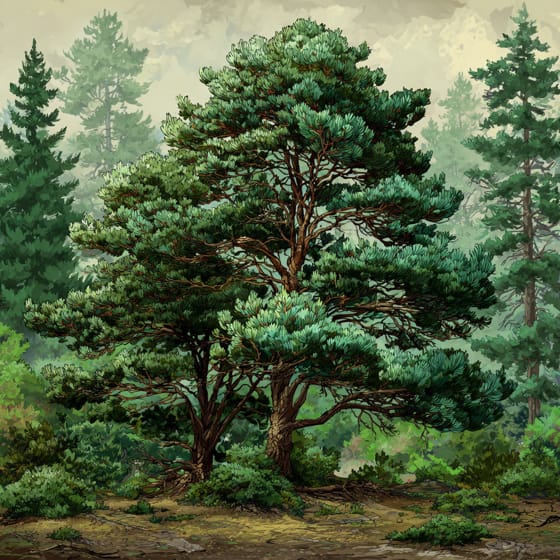
Pinus strobus
Caterpillars feed on its needles.
Quercus rubra
Larvae also munch on its leaves.
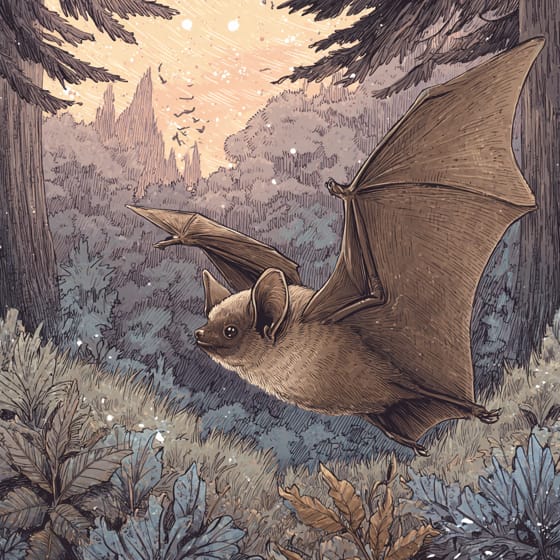
Myotis lucifugus
A common nocturnal predator of adult moths.
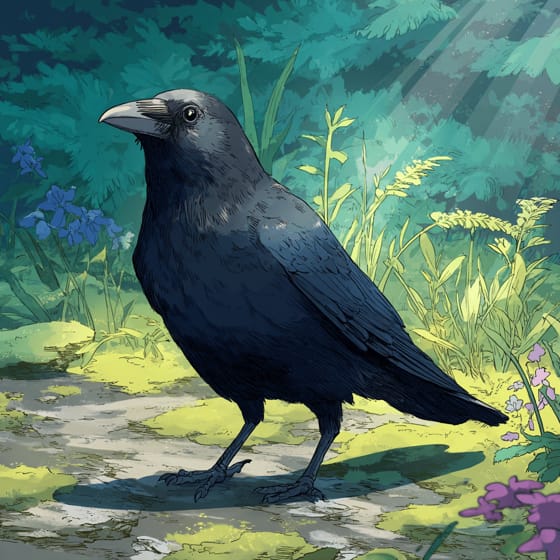
Corvus brachyrhynchos
Crows may prey on caterpillars or resting adult moths.
Furry describes animals possessing a dense covering of soft hair or fur.
Colorful describes organisms or objects displaying a wide range of bright and distinct colors.
This trait characterizes organisms whose diet consists entirely or primarily of plant material.
Forest habitats are terrestrial environments dominated by dense tree cover, supporting a high diversity of plant and animal life.

Nocturnal animals are primarily active during the nighttime hours, typically resting or sleeping during the day.

Describes organisms that transfer pollen, enabling the fertilization and reproduction of plants.
No aliases listed yet.
Danger
1/5 · Very low
Don't touch moths or caterpillars without asking an adult, as some can be itchy or make you feel unwell.
The easiest way to identify Canadian Imperial Moth is to use the Snappit nature identifier app.
80-170 mm
30-50 mm
7-14 days
15 km/h
Hungry caterpillars munch on pine needles and tree leaves, but adult moths do not eat at all!
Forests
Foraging
Zoom in to split clusters and explore where this object has been snapped.
Recent snaps will appear here as new observations are added.
Take the discovery with you
Snap it with Snappit to identify it, learn what makes it special, and add the discovery to your collection.







.jpg&width=800)


