





Canadian Toad
Anaxyrus hemiophrys
The Canadian Toad is a small, bumpy-skinned frog that loves to hop around in wet areas. They are great at catching bugs and can make a funny sound when they croak!
Habitat: Wetlands
The Canadian Toad is a stocky amphibian with warty, bumpy skin, typically grey-green to brown in color. It often has a distinct light stripe down its back and two large bumps, called parotoid glands, behind its eyes.
Category
AmphibiansRarity
Common
Danger
2/5 · Low
Snaps
1
A group of toads has a fun, quirky name: it's called a 'knot'!
Male toads sing a loud, trilling song to attract a mate.
These toads spend winter buried deep underground, safe from icy cold.
They can use their eyeballs to help push stubborn food down their throat.
Canadian Toad has special glands that release a milky, toxic liquid to deter predators from eating them.
Canadian Toad can quickly dig backwards into the ground using its strong hind legs to hide or escape danger.
Canadian Toad can shoot out its long, sticky tongue to quickly snatch up insects, worms, and other small prey.
Canadian Toads are insectivores, mostly eating small invertebrates they catch with their sticky tongues.
Age differences: Tadpoles eat tiny plants and decaying matter, while adults eat insects and other small creatures.
Thamnophis sirtalis
Snakes are major predators.

Procyon lotor
Mammals sometimes hunt toads.
Anas platyrhynchos
Ducks can prey on tadpoles.
Formica fusca
Toads love to eat ants.
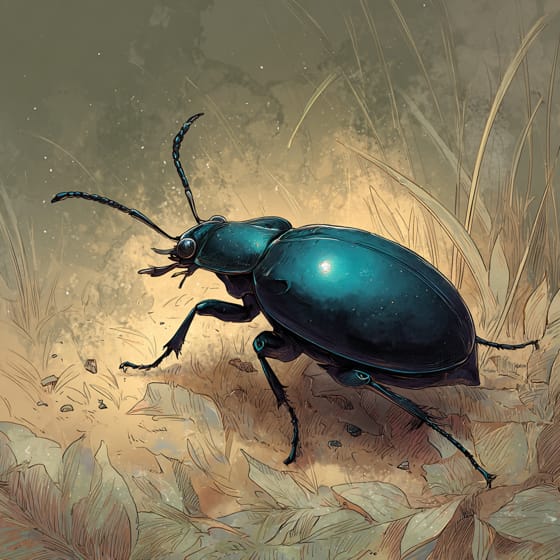
Pterostichus melanarius
A favorite food source.
Solitary animals live alone for most of their lives, only interacting with others for mating or parental care.
Camouflaged describes organisms that possess coloring or patterns that allow them to blend into their environment.
This trait identifies organisms whose diet primarily consists of insects and other small invertebrates.
This trait characterizes organisms with an exceptionally long lifespan compared to others of their kind.

This habitat trait identifies species found in wetlands, which are areas of land saturated with water, either permanently or seasonally, including marshes, swamps, and bogs.

Poisonous organisms produce toxins that can cause harm when ingested, inhaled, or absorbed through contact.

Nocturnal animals are primarily active during the nighttime hours, typically resting or sleeping during the day.
No aliases listed yet.
Danger
2/5 · Low
Do not touch toads with bare hands; they have special skin that can irritate you.
The easiest way to identify Canadian Toad is to use the Snappit nature identifier app.
5-8 cm
0.02-0.06 kg
5-10 years
0.5 km/h
Canadian Toads are insectivores, mostly eating small invertebrates they catch with their sticky tongues.
Wetlands
Ambush
Zoom in to split clusters and explore where this object has been snapped.

North Dakota, US
You might spot Red Panda, Pallas's Cat, and Sichuan Takin.
View guide →
.jpg)
South Dakota, US
You might spot Leopard Frog, Red-Winged Blackbird, and Dame's Rocket.
View guide →
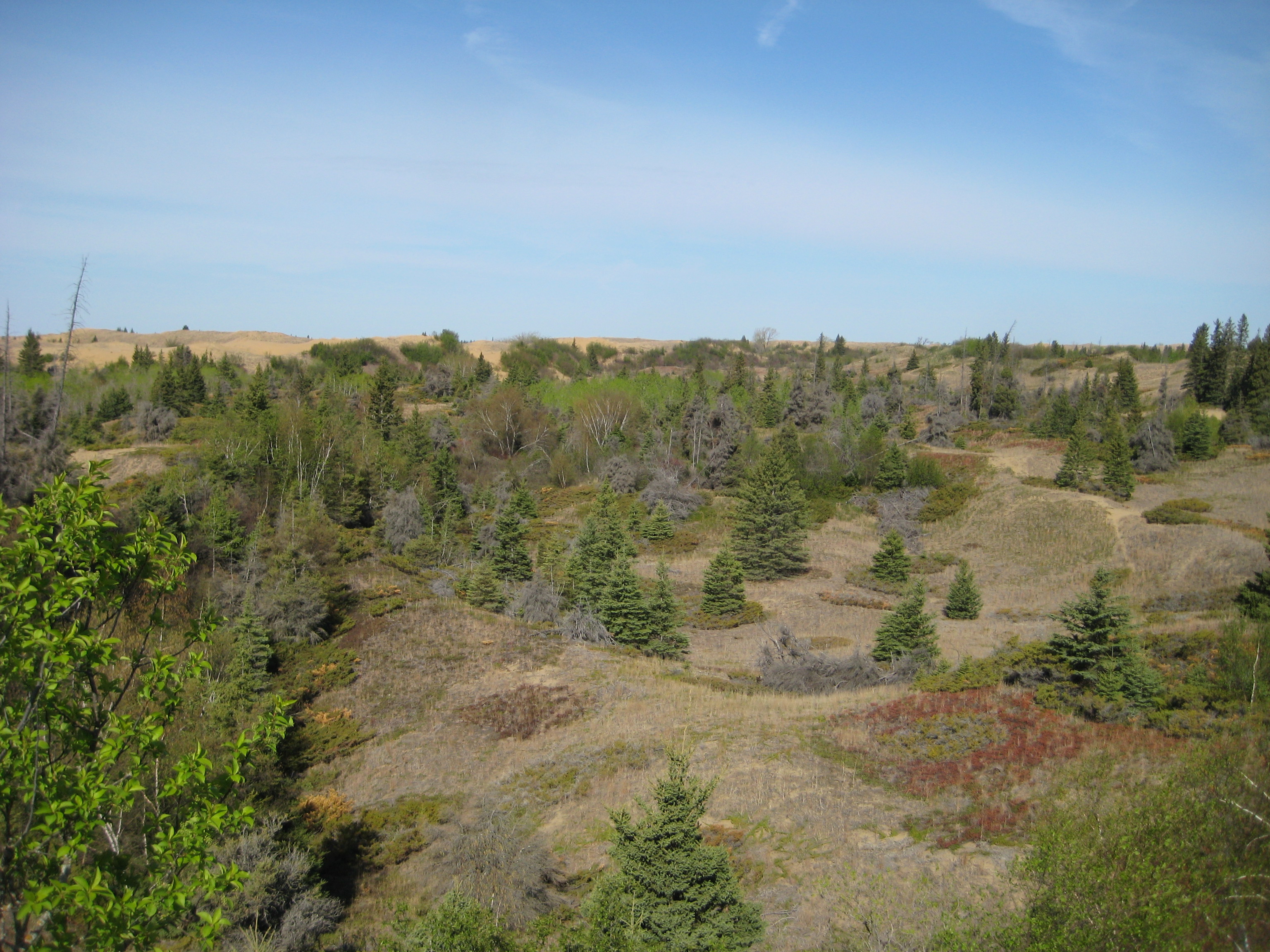
Manitoba, CA
You might spot Prairie Skink, Smooth Greensnake, and Admiral Butterfly.
View guide →
Take the discovery with you
Snap it with Snappit to identify it, learn what makes it special, and add the discovery to your collection.








.JPG&width=800)



.jpg&width=800)
