





Eastern Red-backed Salamander
Plethodon cinereus
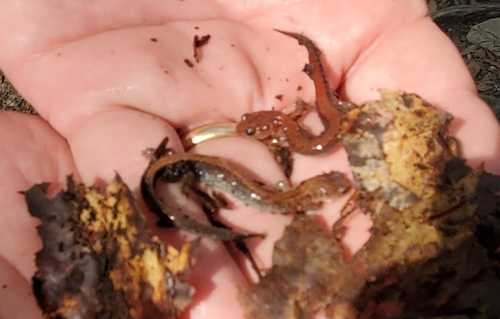
The Eastern Red-backed Salamander is a small, colorful amphibian that loves to hide under rocks and leaves. They are great at blending in with their surroundings and can be found in moist forests.
Habitat: Forests
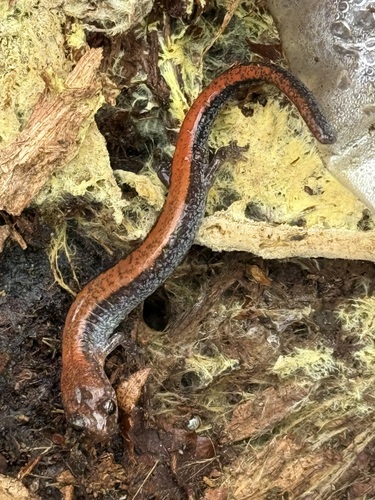
The Eastern Red-backed Salamander is a small, slender amphibian often displaying a vivid reddish-brown stripe down its back, contrasting with dark sides. Some individuals are uniformly dark gray or black, known as "lead-backs," lacking the dorsal stripe. They are lungless, breathing through their skin and mouth lining.
Category
AmphibiansRarity
Common
Danger
1/5 · Very low
Snaps
82
Wow! It never drinks water, absorbing it all directly through its moist skin!
Wow! These amazing amphibians spend their cold winters hiding deep underground!
Wow! They come in two color forms: red-striped or entirely dark gray!
Wow! This salamander protects its eggs by coiling around them until they hatch!
Eastern Red-backed Salamander has a special tail that can break off to distract predators, helping them get away safely.
Eastern Red-backed Salamander can secrete a sticky, bad-tasting substance from its skin to deter predators from eating them.
They munch on tiny bugs and worms found in the forest floor!
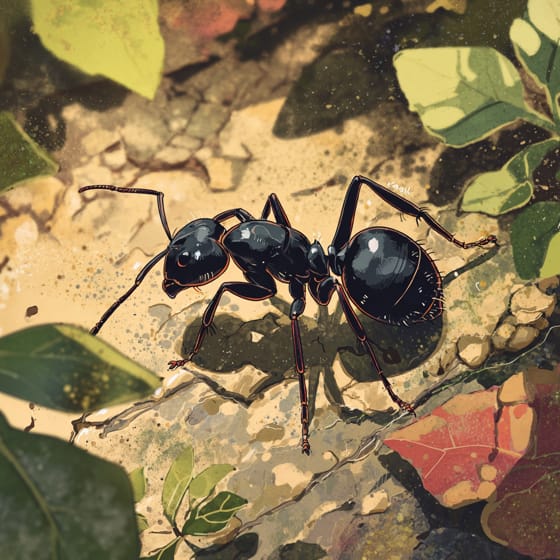
Lasius niger
A favorite meal for these salamanders on the forest floor.
Thamnophis sirtalis
Often hunted by snakes moving through leaf litter.
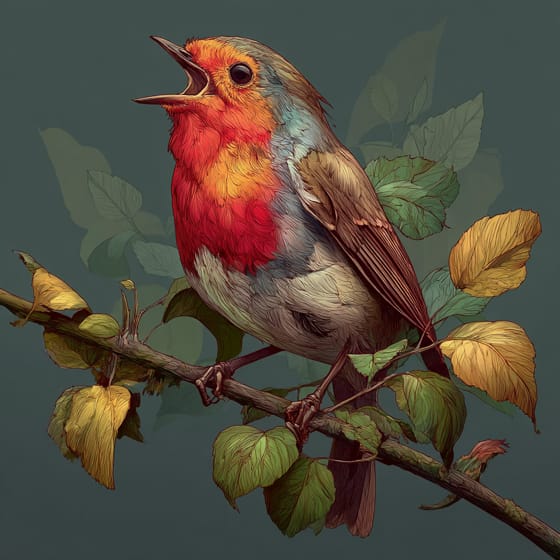
Turdus migratorius
Robins forage for them among leaves and soil.

Quercus rubra
Uses fallen logs and leaf litter from oak trees for cover.
Solitary animals live alone for most of their lives, only interacting with others for mating or parental care.
Camouflaged describes organisms that possess coloring or patterns that allow them to blend into their environment.
Colorful describes organisms or objects displaying a wide range of bright and distinct colors.
This trait identifies organisms whose diet primarily consists of insects and other small invertebrates.

Describes organisms that break down dead organic material, recycling nutrients back into the ecosystem.

Forest habitats are terrestrial environments dominated by dense tree cover, supporting a high diversity of plant and animal life.

Regenerative organisms possess the ability to regrow lost or damaged body parts, tissues, or organs.

Nocturnal animals are primarily active during the nighttime hours, typically resting or sleeping during the day.
No aliases listed yet.
Danger
1/5 · Very low
Always wash your hands after touching any wild animals.
The easiest way to identify Eastern Red-backed Salamander is to use the Snappit nature identifier app.
5.7-10 cm
0.002-0.006 kg
5-10 years
0.1 km/h
They munch on tiny bugs and worms found in the forest floor!
Forests
Foraging
Zoom in to split clusters and explore where this object has been snapped.
May 2, 2026
South Windham Village Historic DistrictPhoto attribution
no rights reserved
License: CC0 1.0 ↗
Image may be shown cropped inside the card frame.
Apr 24, 2026
Chestnut Ridge ParkPhoto attribution
(c) Mark VanDerwater, some rights reserved (CC BY)
License: CC BY 4.0 ↗
Image may be shown cropped inside the card frame.

Massachusetts, US
You might spot Eastern Newt, Purple Pitcher Plant, and Hobblebush.
View guide →
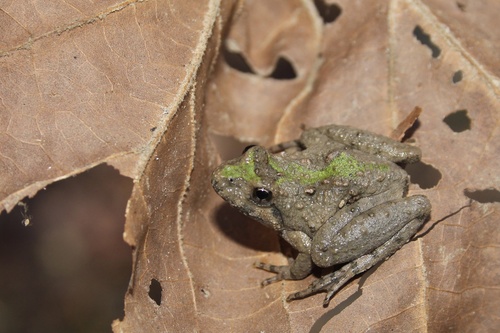
Delaware, US
You might spot Northern Cricket Frog, Fan Clubmoss, and Fowler's Toad.
View guide →

Rhode Island, US
You might spot Spotted Lanternfly, Duck, and American Robin.
View guide →

Rhode Island, US
You might spot Spotted Lanternfly, Duck, and American Robin.
View guide →

Maryland, US
You might spot American Cancer-Root and Rue Anemone.
View guide →

Maine, US
You might spot American Bullfrog and Three-Toothed Cinquefoil.
View guide →
Take the discovery with you
Snap it with Snappit to identify it, learn what makes it special, and add the discovery to your collection.




.JPG&width=800)



.jpg&width=800)


