.jpg&width=800)





European Toad
Bufo bufo
The European Toad is a plump, bumpy creature that loves to hop around in gardens and ponds. They are great at catching insects and can be found in many places across Europe.
Habitat: Wetlands
The European Toad is stout with dry, warty skin, typically greyish-brown to olive green, making it distinct from smooth-skinned frogs. It has prominent orange or coppery eyes with horizontal pupils and often displays dark spots or blotches.
Category
AmphibiansRarity
Common
Danger
2/5 · Low
Snaps
Be the first to snap!
A female European Toad can lay up to 7,000 eggs at once!
European Toads migrate long distances to reach breeding ponds!
These toads 'play dead' by lying still when threatened!
They don't drink water, but absorb it through their skin!
European Toads have glands in their skin that release a bitter, toxic substance, helping them deter predators.
European Toads lay their long strings of eggs in water, which helps protect their developing young.
European Toads can dig into soft soil using their hind legs, helping them find shelter and hide from danger.
European Toads are nocturnal hunters, feasting on small creepy crawlies they can catch with their sticky tongue!
Age differences: Young toads eat smaller invertebrates; adults consume larger insects and some small vertebrates.

Natrix natrix
Main predator, often immune to toad's toxins.

Bubo bubo
Large bird of prey that can hunt toads.
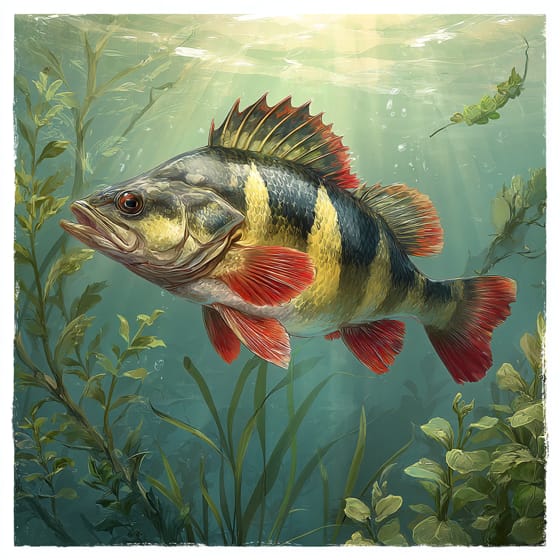
Perca fluviatilis
Eats toad spawn and tadpoles in ponds.
Limax maximus
Common food source for adult toads.
Marked with spots or patches of a different color.
Solitary animals live alone for most of their lives, only interacting with others for mating or parental care.
Camouflaged describes organisms that possess coloring or patterns that allow them to blend into their environment.
This trait identifies organisms whose diet primarily consists of insects and other small invertebrates.

This trait characterizes organisms with an exceptionally long lifespan compared to others of their kind.

This habitat trait identifies species found in wetlands, which are areas of land saturated with water, either permanently or seasonally, including marshes, swamps, and bogs.

Describes a species whose presence and role have a disproportionately large effect on its environment.

Poisonous organisms produce toxins that can cause harm when ingested, inhaled, or absorbed through contact.

Nocturnal animals are primarily active during the nighttime hours, typically resting or sleeping during the day.
No aliases listed yet.
Danger
2/5 · Low
Don't touch toads unless you have permission from an adult, as some can make you feel sick.
The easiest way to identify European Toad is to use the Snappit nature identifier app.
5-15 cm
0.02-0.1 kg
5-15 years
0.5 km/h
European Toads are nocturnal hunters, feasting on small creepy crawlies they can catch with their sticky tongue!
Wetlands
Ambush
Zoom in to split clusters and explore where this object has been snapped.
Recent snaps will appear here as new observations are added.
Take the discovery with you
Snap it with Snappit to identify it, learn what makes it special, and add the discovery to your collection.








.JPG&width=800)



