





Canary Island Palm
phoenix canariensis
The Canary Island Palm is a tall and beautiful tree that can grow up to 60 feet high! Its feathery fronds provide shade and are a favorite spot for birds to rest.
Habitat: Typically found in subtropical and Mediterranean climates, often in parks and gardens.
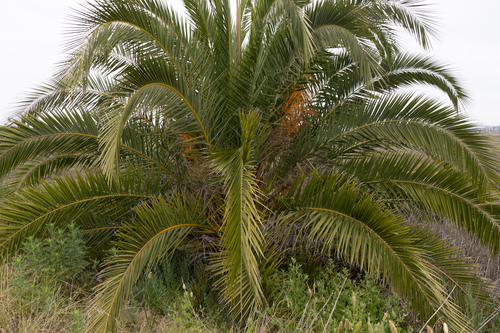
The Canary Island Palm has a massive, single, straight trunk covered in distinctive diamond-shaped patterns from old leaf bases. Its crown bursts with hundreds of arching, feather-like fronds, creating a majestic, fountain-like silhouette.
Category
PlantsRarity
Common
Danger
0/5 · No known danger
Snaps
3
Its 'pineapple' top is actually new fronds emerging from the growing tip!
Its fruits are small, tough dates, not the sweet ones you typically eat!
The unique diamond pattern on its trunk is made by old, fallen leaf bases!
This palm can grow new fronds continuously throughout the entire year!
Canary Island Palm has deep roots that can find water far underground, helping it survive long dry periods in its island home.
Canary Island Palm keeps its old frond bases on its trunk, forming a thick protective layer against fire and extreme temperatures.
Canary Island Palm produces sugary dates that attract animals, helping them spread its seeds to new places.
Rhynchophorus ferrugineus
larvae bore into and kill the palm
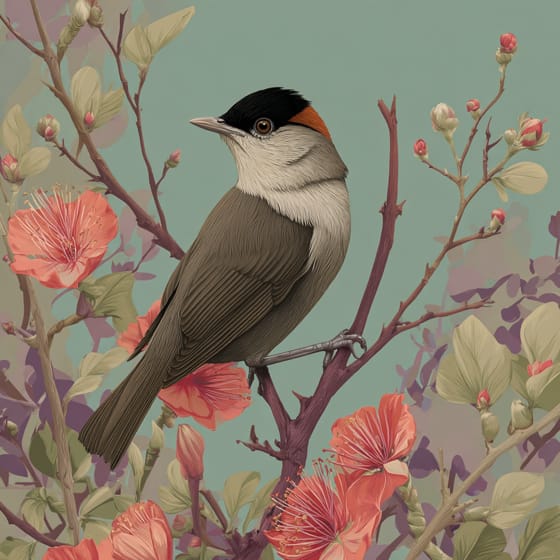
Sylvia atricapilla
consumes its dates, spreading seeds
Parus teneriffae
nests safely within its dense fronds

Rattus rattus
eats its seeds and fruit
Social animals live in organized groups, cooperating for survival benefits such as foraging, defense, and raising offspring.
Arboreal animals live primarily in trees, utilizing them for shelter, food, and protection from predators.
Colorful describes organisms or objects displaying a wide range of bright and distinct colors.
Forest habitats are terrestrial environments dominated by dense tree cover, supporting a high diversity of plant and animal life.

Diurnal animals are primarily active during daylight hours, typically resting or sleeping at night.
Danger
0/5 · No known danger
No special safety notes yet.
The easiest way to identify Canary Island Palm is to use the Snappit nature identifier app.
1000-2000 cm
500-600 cm
0.3-0.5 cm
Spring to early summer
Yes
None
Perennial
Zoom in to split clusters and explore where this object has been snapped.
Jun 6, 2026
Venice Canal Historic DistrictPhoto attribution
(c) Roberto Daniel Avila, some rights reserved (CC BY)
License: CC BY 4.0 ↗
Image may be shown cropped inside the card frame.

California, US
You might spot Eastern Gray Squirrel and Eastern Fox Squirrel.
View guide →

California, US
You might spot Hollyleaf Cherry, Toyon, and Lemonade Berry.
View guide →

California, US
You might spot Eastern Gray Squirrel and Eastern Fox Squirrel.
View guide →

California, US
You might spot Eastern Gray Squirrel and Anna's Hummingbird.
View guide →

California, US
You might spot Western Gull, Snowy Egret, and Willet.
View guide →
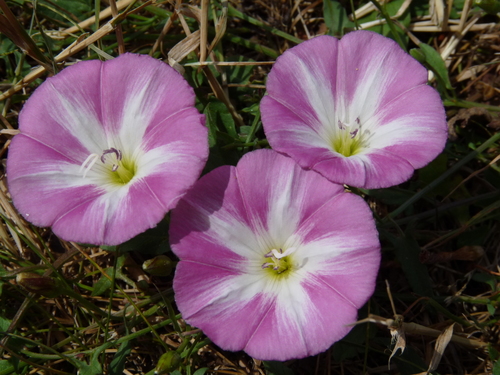
California, US
You might spot Field Bindweed, White Clover, and Lesser Goldfinch.
View guide →
Take the discovery with you
Snap it with Snappit to identify it, learn what makes it special, and add the discovery to your collection.








.jpg&width=800)



_001.jpg&width=800)




