Duck

The Venice Canal Historic District offers a picturesque escape, a charming recreation of Italian romance in Los Angeles.
The Venice Canal Historic District offers a picturesque escape, a charming recreation of Italian romance in Los Angeles. This unique neighborhood, envisioned by developer Abbot Kinney, provides a tranquil blend of history, beauty, and serenity, standing as a testament to an ambitious early 20th-century dream. Strolling along its pathways feels like stepping into a living postcard, where serene waterways and quaint bridges create a distinctive atmosphere.
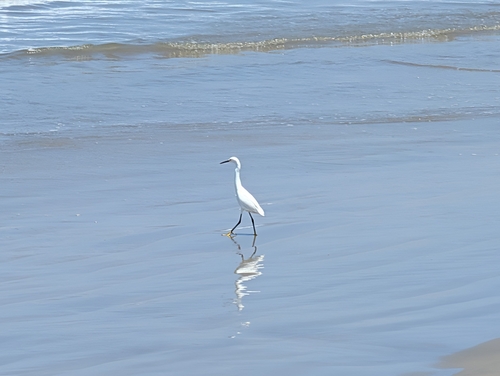
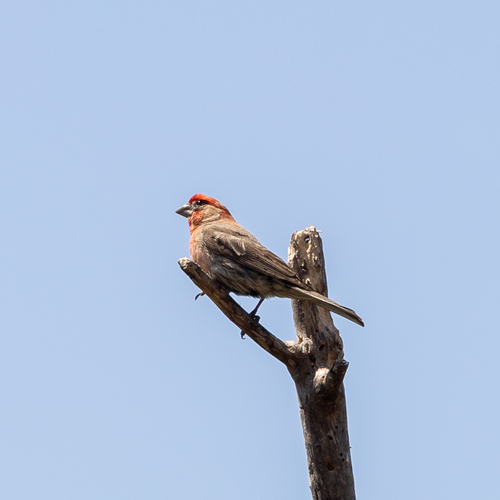
The district's appeal lies in its meandering canals, crossed by picturesque arched footbridges, and lined with an eclectic mix of architectural styles. Visitors can admire everything from historic bungalows and Spanish casitas to contemporary glass structures, each adorned with lush, colorful gardens that spill over private docks. The canals themselves are often graced by kayakers and paddleboarders, and are home to a variety of waterfowl, including ducks, herons, and egrets, making it a haven for birdwatchers and photographers alike.
A visit to the Venice Canal Historic District is an unforgettable experience, offering a peaceful respite from the bustling city just blocks away. It's a place where every turn presents a new photographic opportunity, and the quiet ambiance invites slow exploration and appreciation of its unique charm. This historic district provides a rare glimpse into a unique chapter of Southern California's past, creating a memorable destination for those seeking beauty and tranquility. Enhance your adventure: download the Snappit app to identify the local species you encounter.
The Venice Canal Historic District was developed by Abbot Kinney in 1905 as part of his ambitious "Venice of America" project. Kinney's vision was to recreate the appearance and feel of Venice, Italy, on the coastal landscape of Los Angeles County, complete with canals and gondola transport. The original development included a vast network of canals, amusement piers, an auditorium, and bathhouses, attracting thousands of visitors to its grand opening on July 4, 1905. However, by the 1920s, with the rise of automobiles, many of the original canals were filled in to make way for roads. The remaining canals fell into disrepair by 1940, with sidewalks condemned and numerous renovation proposals failing due to funding and other issues. A major renovation project finally took place between 1991 and 1993, which saw the canals drained, excavated, and rebuilt with new sidewalks and retaining walls. Today, the remaining six canals – Carroll, Linnie, Howland, Sherman, Eastern, and Grand – are a designated historic district, listed on both the City of Los Angeles and National Registers of Historic Places.
Stroll along the pedestrian walkways, admire the unique residential architecture and lush gardens, cross the various bridges for different vantage points, and enjoy birdwatching. For those with their own equipment, kayaking or paddleboarding in the canals offers a unique perspective.
The weather in Los Angeles is generally mild, making it pleasant most of the year. In winter, residents often decorate the canal bridges for holidays, adding a festive touch.
The canals feature paved pathways and are generally accessible for visitors, with gentle slopes in many areas. However, some walkways can be narrow or have uneven surfaces. Visitors with mobility issues should plan their route in advance and consider accessible parking options.
The picturesque canals themselves, the nine arched pedestrian footbridges that connect the pathways, and the diverse architectural styles of the homes ranging from historic bungalows to modern designs. Observing the local waterfowl and the reflections on the water are also key attractions.
Each card links to a full Explore page with photos, traits, and fun facts.
Start with the big picture, then zoom in to explore individual wildlife observations around this place.
Optimal Timing
** Plan your visit for early morning or late afternoon to enjoy softer light for photography and to experience the canals with fewer crowds.
Check Tides
For the most picturesque views and fuller canals, try to visit closer to high tide.
Respect Privacy
Remember that the Venice Canal Historic District is a residential neighborhood; please respect residents' privacy and keep noise levels down.
Parking Strategy
Parking can be difficult. Consider using ride-sharing or public transport, or allow extra time to find street parking on the district's perimeter or in nearby public lots.
No Public Restrooms
There are no public restrooms directly within the canal boundaries, so plan accordingly.
Don't Feed Wildlife
While you'll see various waterfowl, please refrain from feeding them human food, as it can be detrimental to their health and natural behaviors.
Jun 7, 2026
Photo attribution
(c) Hartwig Adam, some rights reserved (CC BY)
License: CC BY 4.0 ↗
Image may be shown cropped inside the card frame.
Jun 6, 2026
Photo attribution
(c) Roberto Daniel Avila, some rights reserved (CC BY)
License: CC BY 4.0 ↗
Image may be shown cropped inside the card frame.
Jun 6, 2026
Photo attribution
(c) Roberto Daniel Avila, some rights reserved (CC BY)
License: CC BY 4.0 ↗
Image may be shown cropped inside the card frame.
Jun 6, 2026
Photo attribution
(c) Roberto Daniel Avila, some rights reserved (CC BY)
License: CC BY 4.0 ↗
Image may be shown cropped inside the card frame.
Jun 6, 2026
Photo attribution
(c) Roberto Daniel Avila, some rights reserved (CC BY)
License: CC BY 4.0 ↗
Image may be shown cropped inside the card frame.

Maryland, US
You might spot White-Tailed Deer and Eastern Gray Squirrel.
View guide →
.jpg)
District of Columbia, US
You might spot Eastern Gray Squirrel, Duck, and House Sparrow.
View guide →

Illinois, US
You might spot American Robin, Canada Goose, and House Sparrow.
View guide →

Virginia, US
You might spot Spotted Lanternfly and Northern Cardinal.
View guide →
Take the discovery with you
Identify the wildlife you spot, learn as you go, and keep a collection of the adventure.