





Canyon Sunflower
venegasia carpesioides
The Canyon Sunflower is a bright and cheerful flower that grows in the warm sun! Its vibrant yellow petals attract many buzzing bees and fluttering butterflies.
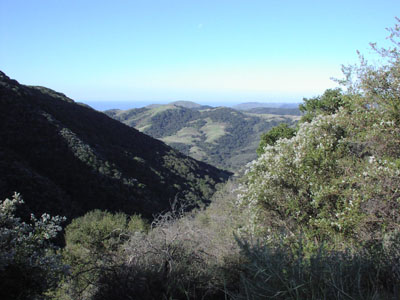
Habitat: Canyon Sunflowers thrive in deserts and rocky areas of the southwestern United States.
The Canyon Sunflower has bright yellow, daisy-like flowers, typically 2-5 cm wide, atop upright, leafy stems. Its deeply lobed, light green leaves give it a distinctive bushy appearance, standing out against drier landscapes.
Category
PlantsRarity
Common
Danger
0/5 · No known danger
Snaps
1
Even when other plants are resting, this flower bursts with bright yellow life!
It can grow so vigorously it sometimes creates its own 'flower jungles' in canyons!
Its scientific name, Venegasia, honors a Spanish botanist, Mariano del Vénégas!
This 'sunflower' isn't a true sunflower, but it's related to daisies!
Canyon Sunflower has deep roots that can seek out scarce water, helping it thrive in dry, rocky soils.
Canyon Sunflower can bloom in winter and early spring, offering vital nectar when other plants are dormant.
Canyon Sunflower produces abundant nectar and pollen, which helps it attract a wide variety of insect pollinators.
Apis mellifera
Gathers nectar and pollen
Bombus vosnesenskii
Visits flowers for nectar
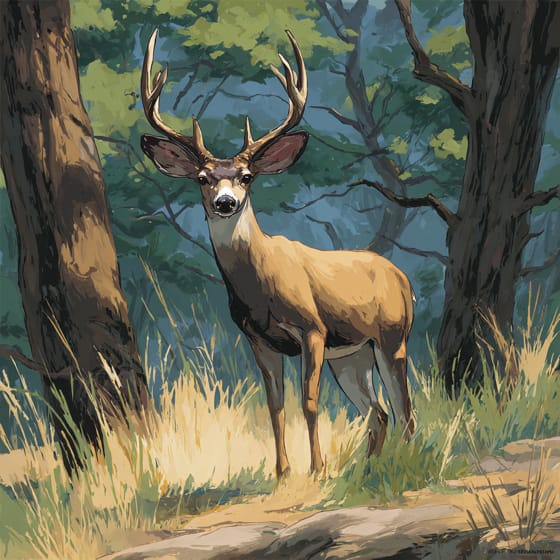
Odocoileus hemionus
Browses on leaves and stems
Junonia coenia
Feeds on nectar from flowers
Colorful describes organisms or objects displaying a wide range of bright and distinct colors.
Grassland habitats are terrestrial biomes dominated by grasses and herbaceous plants, supporting a variety of grazing animals.
This trait characterizes organisms whose diet consists entirely or primarily of plant material.
Diurnal animals are primarily active during daylight hours, typically resting or sleeping at night.

Describes organisms that transfer pollen, enabling the fertilization and reproduction of plants.
Danger
0/5 · No known danger
No special safety notes yet.
The easiest way to identify Canyon Sunflower is to use the Snappit nature identifier app.
30-150 cm
60-120 cm
2.5-5 cm
Winter to spring
No
None
Perennial
Zoom in to split clusters and explore where this object has been snapped.
Take the discovery with you
Snap it with Snappit to identify it, learn what makes it special, and add the discovery to your collection.










.jpg&width=800)



_001.jpg&width=800)




