





Carabus purpurascens
Carabus purpurascens
The Carabus purpurascens, also known as the purple ground beetle, is a shiny black beetle with a beautiful purple hue. It loves to hide under leaves and rocks, making it a special little friend in the garden.
Habitat: Forests
The Carabus purpurascens is a striking beetle, featuring iridescent elytra that shimmer in shades of violet, blue, or coppery-red. Its elongated, robust body and dark, segmented antennae distinguish it from many common insects.
Category
InsectsRarity
Common
Danger
1/5 · Very low
Snaps
Be the first to snap!
Even its babies are fierce hunters like the adults.
It uses its long antennae to sniff out its next meal.
This beetle walks, not flies, everywhere it goes!
You might find it hiding under rocks or old logs.
Carabus purpurascens can squirt a foul-smelling liquid from its rear to deter predators, helping them escape danger.
Carabus purpurascens has excellent nocturnal vision that helps them hunt slugs and snails under the cover of darkness.
Carabus purpurascens possesses strong, sharp mandibles that help them crush the shells of their prey like snails.
Carabus purpurascens can quickly dig into soil or leaf litter to find shelter and hide from predators.
A mighty hunter, it munches on snails, slugs, and other small creatures of the night.
Age differences: Larvae are also predatory, hunting smaller invertebrates in the soil.

Cepaea nemoralis
Relishes snails, often crushing their shells.
Arion vulgaris
Consumes slugs, helping control garden pests.
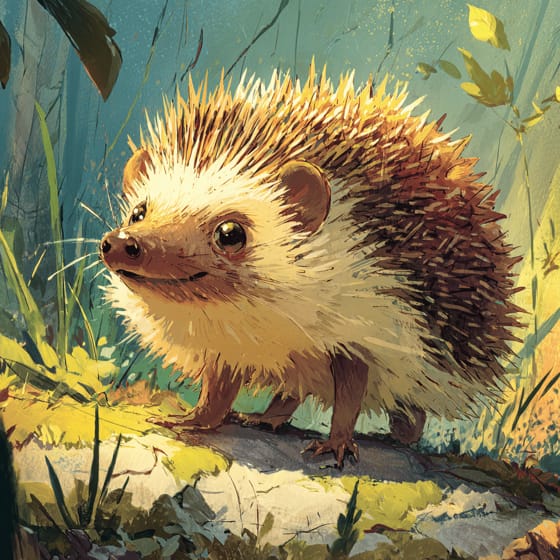
Erinaceus europaeus
Hedgehogs are known predators of ground beetles.
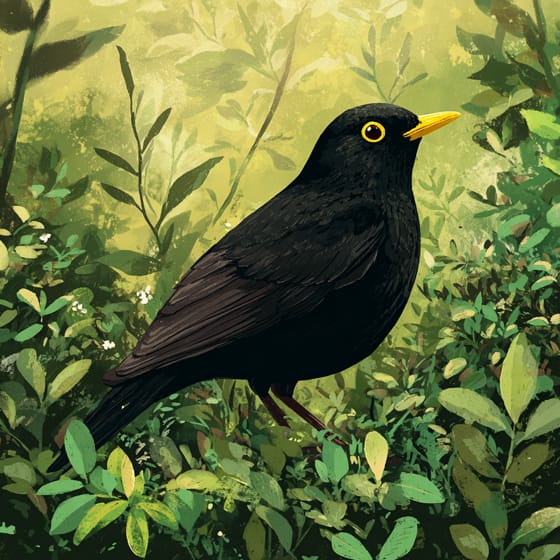
Turdus merula
Birds can prey on ground beetles found on the surface.
Colorful describes organisms or objects displaying a wide range of bright and distinct colors.
This trait identifies organisms whose diet primarily consists of insects and other small invertebrates.
Describes organisms that break down dead organic material, recycling nutrients back into the ecosystem.
Forest habitats are terrestrial environments dominated by dense tree cover, supporting a high diversity of plant and animal life.

This trait identifies organisms that exhibit exceptional swiftness in movement for hunting, escape, or travel.

Nocturnal animals are primarily active during the nighttime hours, typically resting or sleeping during the day.
No aliases listed yet.
Danger
1/5 · Very low
Be gentle and watch where you step to protect tiny creatures like beetles.
The easiest way to identify Carabus purpurascens is to use the Snappit nature identifier app.
20-30 mm
300-900 days
A mighty hunter, it munches on snails, slugs, and other small creatures of the night.
Forests
Pursuit
6
Zoom in to split clusters and explore where this object has been snapped.
Recent snaps will appear here as new observations are added.
Take the discovery with you
Snap it with Snappit to identify it, learn what makes it special, and add the discovery to your collection.









.jpg&width=800)


