

Caribbean hermit crab
Coenobita clypeatus
The Caribbean hermit crab is a small crab that loves to live in shells. They are fun to watch as they scuttle around and change shells when they grow bigger!
Habitat: Coastal areas
The Caribbean hermit crab has a reddish-brown to orange body and striking purple or bluish claws, with one noticeably larger. Its eyes are on short stalks, peeking out from its often mottled or banded shell, which it carries for protection.
Category
InvertebrateRarity
Common
Danger
1/5 · Very low
Snaps
3
If a hermit crab loses a leg, it can impressively grow a brand new one back!
Their stalked eyes allow them to see almost 360 degrees around them for safety!
They have specialized gills to breathe air, letting them live mostly on land!
When finding a new home, they sometimes form 'vacancy chains' to swap shells!
Caribbean hermit crab can carry an empty snail shell that helps them protect their soft abdomen from predators.
Caribbean hermit crab has one oversized claw that helps them block the entrance to their shell, acting like a door.
Caribbean hermit crab can regularly find and switch into larger, more comfortable shells as they grow bigger.
These crabs eat almost anything they find, from plants to tiny creatures and scraps!
Stramonita haemastoma
Uses their empty shells as protective homes.

Rattus rattus
Coastal rats will prey on them, especially smaller ones.
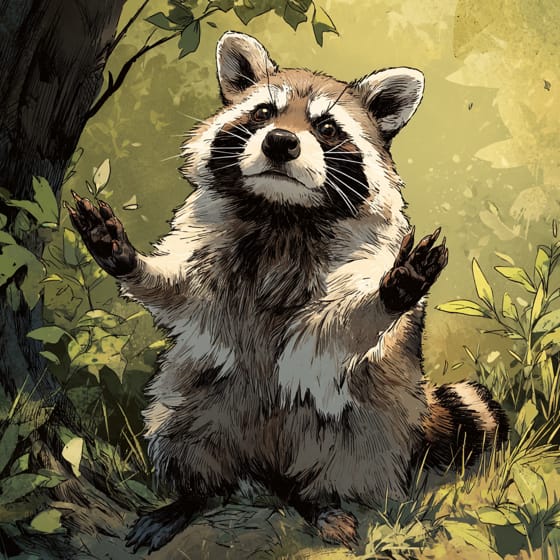
Procyon lotor
Raccoons forage along beaches and prey on them.
Social animals live in organized groups, cooperating for survival benefits such as foraging, defense, and raising offspring.
This trait identifies organisms whose diet includes both plant and animal matter.
Scavengers consume dead organic matter, helping to decompose carcasses and other waste in the ecosystem.
This trait characterizes organisms with an exceptionally long lifespan compared to others of their kind.

Coastal habitats are dynamic environments located along the interface between land and sea, influenced by tides, waves, and saltwater.

Pertaining to species that are significantly smaller than typical or average for their kind.
Danger
1/5 · Very low
Be gentle and don’t pick them up too much, as they can get scared.
The easiest way to identify Caribbean hermit crab is to use the Snappit nature identifier app.
1-6 cm
0.005-0.08 kg
5-15 years
0.1 km/h
These crabs eat almost anything they find, from plants to tiny creatures and scraps!
Coastal areas
Foraging
Zoom in to split clusters and explore where this object has been snapped.
Take the discovery with you
Snap it with Snappit to identify it, learn what makes it special, and add the discovery to your collection.