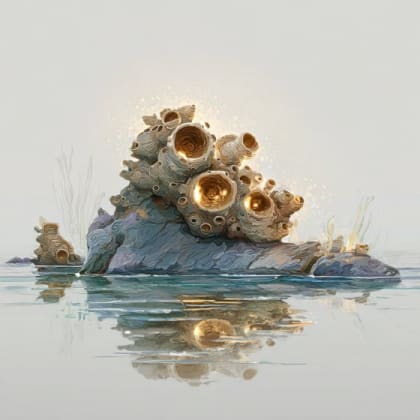
Plain Pocketbook
Lampsilis cardium
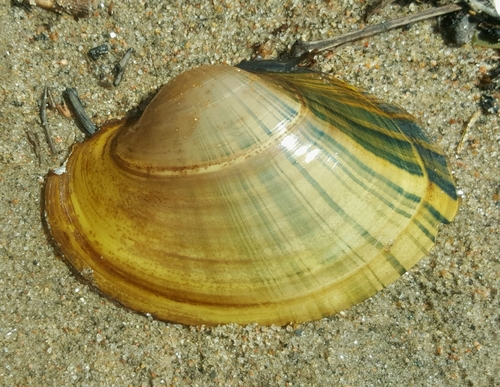
The Plain Pocketbook is a special kind of freshwater mussel that lives in rivers and lakes. It has a smooth, flat shell that can be light brown or yellowish, making it blend in with its surroundings.
Habitat: Freshwater rivers and lakes
The Plain Pocketbook is a freshwater mussel with a thick, smooth, oval-shaped shell, typically yellowish-brown to dark brown, often adorned with faint green rays. Its shell is noticeably inflated, giving it a 'chubby' and distinctively rounded appearance, differentiating it from flatter mussel species.
Category
InvertebrateRarity
Common
Danger
1/5 · Very low
Snaps
7
A single Plain Pocketbook can filter up to 10 gallons of water every single day!
Plain Pocketbooks have special light-sensing cells in their mantle, giving them a type of 'eyesight'!
Some Plain Pocketbooks can live longer than your grandparents, reaching over 50 years old!
They begin life as tiny parasites, hitchhiking on fish gills for a ride and a meal!
Plain Pocketbook can wiggle its mantle tissue, which looks just like a small fish, to attract host fish for its baby mussels.
Plain Pocketbook can filter vast amounts of water every day, cleaning it by trapping tiny food particles like algae and bacteria.
Plain Pocketbook has a strong, muscular foot that helps it slowly burrow into riverbeds, staying anchored and hidden from predators.
These tiny filter-feeders feast on microscopic plants and decaying bits floating in the water.
Age differences: Larvae are parasitic on fish gills, feeding on fish blood or tissues.
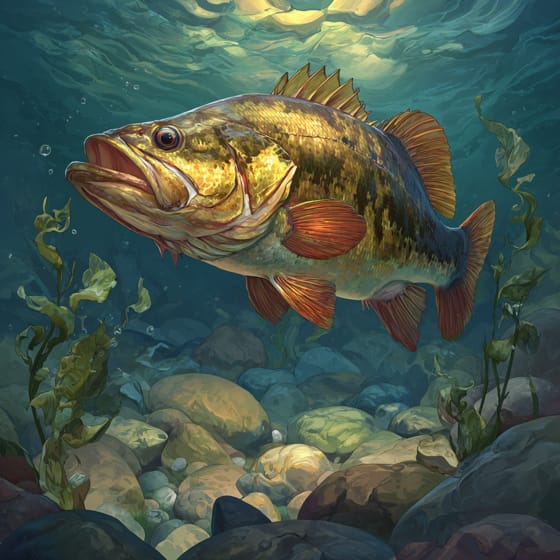
Micropterus dolomieu
Its larvae attach to fish gills.
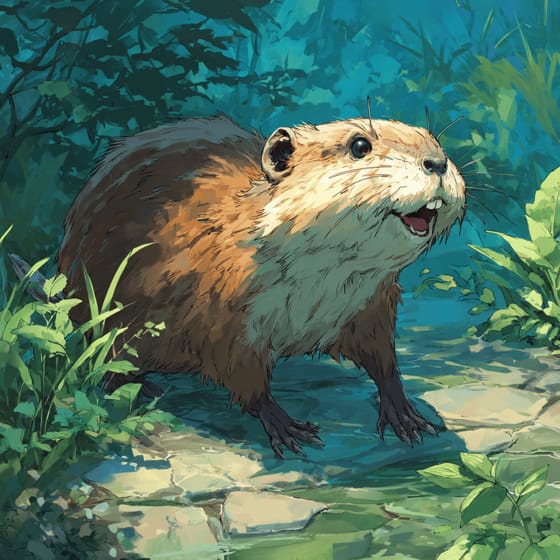
Ondatra zibethicus
Muskrats crack open mussel shells for food.
Scenedesmus quadricauda
Filtered from water as a food source.
Solitary animals live alone for most of their lives, only interacting with others for mating or parental care.
Camouflaged describes organisms that possess coloring or patterns that allow them to blend into their environment.
Filter feeders obtain nutrients by straining suspended food particles and small organisms from water.
This trait characterizes organisms whose diet consists entirely or primarily of plant material.

This trait characterizes organisms with an exceptionally long lifespan compared to others of their kind.

Freshwater habitats include non-saline aquatic environments such as rivers, lakes, ponds, and wetlands, vital for numerous species.

Describes a species whose presence and role have a disproportionately large effect on its environment.

Endangered status indicates a species is at a very high risk of extinction in the wild in the near future.
No aliases listed yet.
Danger
1/5 · Very low
Don't touch or pick up mussels without adult supervision, as they can be delicate.
The easiest way to identify Plain Pocketbook is to use the Snappit nature identifier app.
60-120 mm
3650-18250 days
These tiny filter-feeders feast on microscopic plants and decaying bits floating in the water.
Freshwater rivers and lakes
Filter Feeding
Zoom in to split clusters and explore where this object has been snapped.

Iowa, US
You might spot American Toad and Silver-Spotted Skipper.
View guide →

Wisconsin, US
You might spot Sundial Lupine, Aurora Damsel, and Lancet Clubtail.
View guide →
Iowa, US
You might spot Plain Pocketbook, Fatmucket, and Wabash Pigtoe.
View guide →
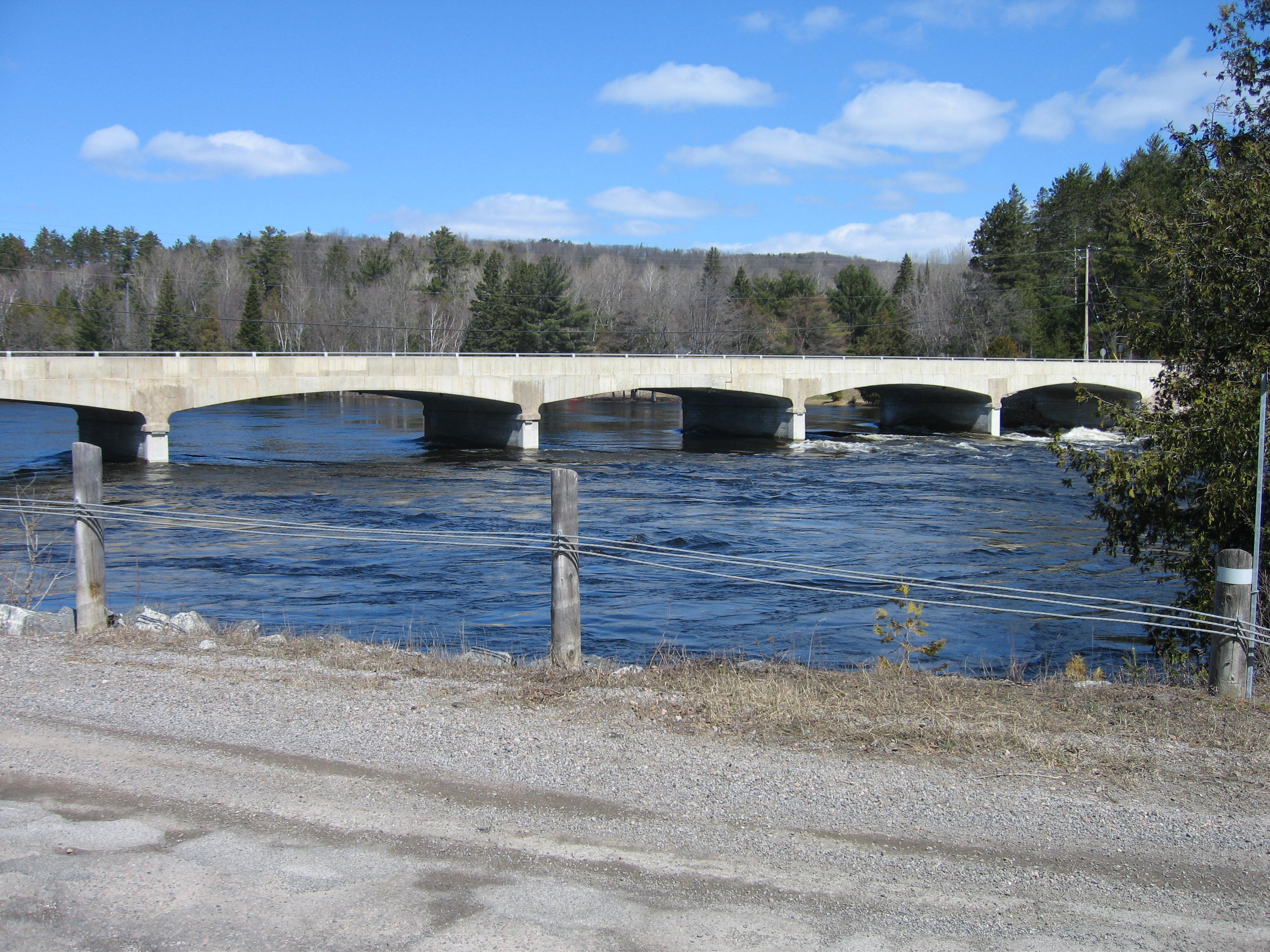
Ontario, CA
You might spot Cardinal Flower, Canadian Bunchberry, and Twinflower.
View guide →
Take the discovery with you
Snap it with Snappit to identify it, learn what makes it special, and add the discovery to your collection.