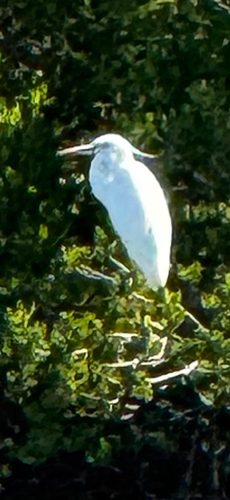
Great Blue Heron

The Jones Family Historic District offers a unique blend of compelling human history and pristine natural beauty.
The Jones Family Historic District offers a unique blend of compelling human history and pristine natural beauty. This significant site, nestled within Florida's stunning Biscayne National Park, preserves the enduring legacy of an African-American pioneering family who cultivated a thriving life against formidable odds. It provides a poignant glimpse into a remarkable chapter of South Florida's past, set against a backdrop of vibrant marine ecosystems.
Accessible primarily by boat, the district encompasses the former homesite and agricultural lands on Porgy Key and Totten Key, where the resourceful Jones family farmed pineapples and key limes for nearly a century. Visitors can explore the remnants of their homestead and agricultural structures, which stand as quiet testaments to their entrepreneurial spirit. The nearby Jones Lagoon, a shallow, mangrove-fringed haven, is an exceptional spot for paddling and observing abundant marine life, including various tropical fish, manatees, and dolphins that frequent the calm waters.
A visit to the Jones Family Historic District is an enriching journey that connects cultural heritage with environmental appreciation. It's a place to reflect on the inspiring story of Israel Lafayette Jones and his descendants, whose foresight ultimately helped preserve this precious landscape. Whether you're drawn by the historical narrative or the serene natural environment, the district offers a memorable experience of discovery and tranquility within one of America's most unique national parks. Take the ultimate field guide with you: use the Snappit app to identify birds, plants, and animals on your trip.
The story of the Jones Family Historic District begins with Israel Lafayette Jones, born in 1858 in Raleigh, North Carolina. Seeking a life of freedom and independence, Israel arrived in South Florida in 1892. In 1897, after years of hard work as a caretaker and foreman, he purchased Porgy Key for $300, a significant investment for an African-American man in the post-Reconstruction South. Alongside his wife, Mozelle Albury, and their sons, King Arthur and Sir Lancelot, the family transformed the islands into a successful agricultural enterprise, becoming one of the largest producers of pineapples and key limes on the East Coast despite the pervasive Jim Crow laws and institutional segregation of the era. The family's deep connection to the land and their commitment to its preservation were instrumental in the creation of Biscayne National Park. In 1970, rather than succumb to development pressures, Sir Lancelot Jones sold his family's 277 acres to the National Park Service for $1.2 million, allowing the area to become part of the national monument, which was later redesignated as a national park in 1980. Sir Lancelot continued to live on his homestead until Hurricane Andrew destroyed his residence in 1992, living out his days as a respected educator and environmental advocate. The Jones Family Historic District was officially listed on the National Register of Historic Places in 2013/2014, recognizing its profound historical significance.
Paddling: Kayak or paddleboard through Jones Lagoon's tranquil waters and mangrove channels, a nursery for many marine species.
* **Wildlife Viewing: ** Keep an eye out for manatees, Atlantic bottlenose dolphins, various tropical fish, and numerous bird species like brown pelicans.
* **Historical Exploration: ** Learn about the Jones family's journey, their successful farming practices (pineapples and key limes), and their pivotal role in conservation.
* **Photography: ** Capture the unique blend of historical structures against the natural beauty of the keys and the vibrant marine environment.
Summers (May-October) are hot, humid, and prone to rain and mosquitoes. Winters (November-April) are generally mild and sunny, making them ideal for outdoor activities. Wildlife viewing, especially of marine life, is possible year-round, though some bird migratory patterns may vary seasonally.
The Jones Family Historic District, located on Porgy and Totten Keys, is accessible only by boat. There are no paved trails on the keys themselves, and visitors should expect uneven terrain. While the Dante Fascell Visitor Center on the mainland is wheelchair accessible, the remote nature of the historic district means limited accessibility for those with mobility challenges.
Explore the remains of the family's home and agricultural structures on Porgy Key, offering a tangible connection to their pioneering life.
This serene, shallow, mangrove-fringed lagoon is ideal for kayaking and stand-up paddleboarding, providing opportunities to observe diverse marine life in crystal-clear waters.
Interpretive plaques and information about the Jones family's remarkable history and contributions to the area.
Each card links to a full Explore page with photos, traits, and fun facts.
Start with the big picture, then zoom in to explore individual wildlife observations around this place.
Boat Access is Key
Plan your visit knowing that the district is only reachable by boat. Consider booking a guided tour with the Biscayne National Park Institute for transportation and interpretive insights.
Pack Essentials
Bring plenty of water, reef-safe sunscreen, a wide-brimmed hat, insect repellent (especially for mangrove areas), and snacks.
Go Paddling
Rent a kayak or stand-up paddleboard to explore the serene Jones Lagoon, offering a unique perspective and close-up wildlife viewing opportunities.
Respect the History
Tread lightly around the historical remnants and agricultural structures on Porgy and Totten Keys, recognizing their significance to American history.
Look for Wildlife
Keep an eye on the water and mangroves for marine life such as manatees, dolphins, and diverse bird species. Jones Lagoon is particularly known as a marine nursery.
Check Park Conditions
Before visiting, check the Biscayne National Park website for any alerts, weather conditions, or specific operating hours for tours or visitor services.
Apr 20, 2026
Photo attribution
(c) Stacy R, some rights reserved (CC BY)
License: CC BY 4.0 ↗
Image may be shown cropped inside the card frame.
May 21, 2026
May 18, 2026
May 18, 2026
May 17, 2026

Maryland, US
You might spot White-Tailed Deer and Eastern Gray Squirrel.
View guide →
.jpg)
District of Columbia, US
You might spot Eastern Gray Squirrel, Duck, and House Sparrow.
View guide →

Illinois, US
You might spot American Robin, Canada Goose, and House Sparrow.
View guide →

Virginia, US
You might spot Spotted Lanternfly and Northern Cardinal.
View guide →
Take the discovery with you
Identify the wildlife you spot, learn as you go, and keep a collection of the adventure.