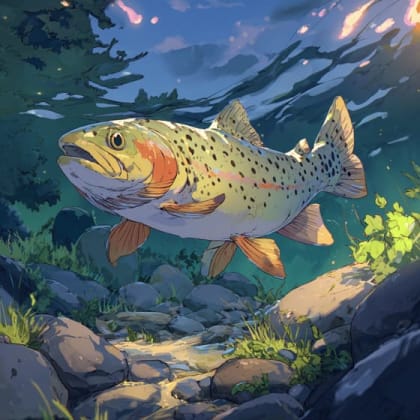




Carnegiella strigata
Carnegiella strigata
The Carnegiella strigata, also known as the striped hatchetfish, is a small fish that loves to swim near the surface of the water. Its shiny body helps it blend in with the light, making it look like a little silver arrow in the water!
Habitat: Freshwater rivers and streams
The Carnegiella strigata has a distinct hatchet-shaped body, flattened on the sides, with large pectoral fins. Its silvery body is adorned with dark, wavy stripes that resemble marble patterns. The small dorsal fin is located far back, near the tail, giving it a unique profile.
Category
FishRarity
Common
Danger
1/5 · Very low
Snaps
Be the first to snap!
Imagine a fish that spends most of its life looking up at the sky!
Their super-flat bottom helps them hide perfectly from predators below!
These tiny fish can jump so fast, they almost disappear in a blink!
They can 'skip' on the water's surface, almost like tiny flying saucers!
Carnegiella strigata can leap out of the water and glide short distances using their powerful pectoral fins because this helps them escape predators.
Carnegiella strigata has an upturned mouth that helps them easily snatch small insects from the water's surface.
Carnegiella strigata has a unique keel-shaped chest that helps them stay perfectly balanced and maneuver swiftly at the water's surface.
They mostly eat tiny insects that fall onto the water, plus other small critters.
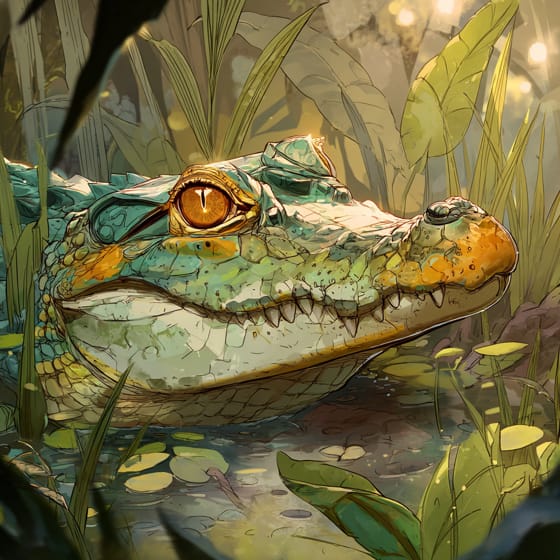
Caiman crocodilus
A common predator in their Amazonian habitat.
Hoplerythrinus unitaeniatus
Larger fish that preys on smaller surface dwellers.
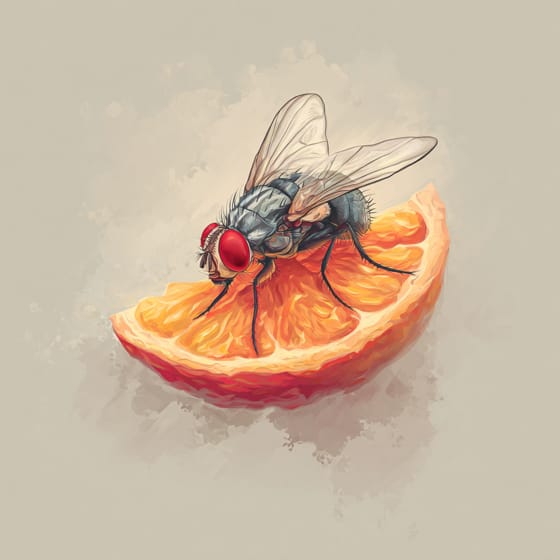
Drosophila melanogaster
Catches small flying insects that fall onto the water's surface.
Marked with parallel bands or lines of color.
Social animals live in organized groups, cooperating for survival benefits such as foraging, defense, and raising offspring.
This trait identifies organisms whose diet includes both plant and animal matter.
Gliding animals move through the air by launching themselves and maintaining flight with specialized body structures, without flapping wings.

Diurnal animals are primarily active during daylight hours, typically resting or sleeping at night.

Freshwater habitats include non-saline aquatic environments such as rivers, lakes, ponds, and wetlands, vital for numerous species.

Pertaining to species that are significantly smaller than typical or average for their kind.

Aquatic habitats encompass environments where organisms live predominantly in water, including oceans, rivers, lakes, and wetlands.
Danger
1/5 · Very low
Always be gentle around fish tanks and never put your hands in without asking an adult.
The easiest way to identify Carnegiella strigata is to use the Snappit nature identifier app.
3-4 cm
0.0005-0.001 kg
2-3 years
They mostly eat tiny insects that fall onto the water, plus other small critters.
8 km/h
Freshwater rivers and streams
Foraging
Zoom in to split clusters and explore where this object has been snapped.
Recent snaps will appear here as new observations are added.
Take the discovery with you
Snap it with Snappit to identify it, learn what makes it special, and add the discovery to your collection.