





Charlock
mutarda arvensis
Charlock is a vibrant yellow wildflower that brightens up fields and gardens. Its cheerful blooms can attract butterflies and bees, making nature even more fun to explore!
Habitat: Charlock typically grows in fields, meadows, and along roadsides.
The Charlock has bright yellow, four-petaled flowers arranged in clusters at the top of leafy stems. Its leaves are lobed and hairy, especially at the base, giving it a somewhat wild and untamed appearance.
Category
PlantsRarity
Common
Danger
0/5 · No known danger
Snaps
Be the first to snap!
Each tiny flower has four petals that form a cross shape!
Eating too much raw Charlock can give animals an upset tummy!
Farmers sometimes call Charlock a 'mustard weed' because it's so common!
This plant is related to cabbage, broccoli, and kale!
Charlock has seeds that can stay dormant in the soil for over 60 years, helping it sprout when conditions are perfect.
Charlock can produce thousands of seeds from a single plant, allowing it to quickly spread and dominate open ground.
Charlock produces special compounds that can discourage some herbivores from eating its leaves and flowers.
Apis mellifera
Visits flowers for nectar and pollen.
Pieris rapae
Larvae feed on leaves of brassica family plants.
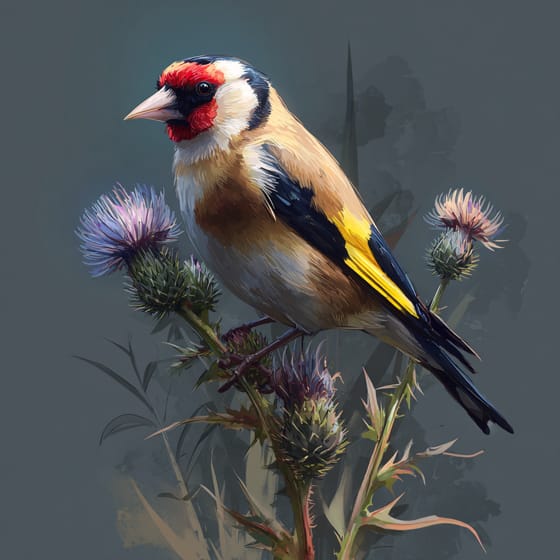
Carduelis carduelis
Feeds on ripe seeds from seed pods.
Phyllotreta cruciferae
Beetles chew small holes in leaves.
Colorful describes organisms or objects displaying a wide range of bright and distinct colors.
Grassland habitats are terrestrial biomes dominated by grasses and herbaceous plants, supporting a variety of grazing animals.
This trait characterizes organisms whose diet consists entirely or primarily of plant material.
Diurnal animals are primarily active during daylight hours, typically resting or sleeping at night.

Describes organisms that transfer pollen, enabling the fertilization and reproduction of plants.
Danger
0/5 · No known danger
No special safety notes yet.
The easiest way to identify Charlock is to use the Snappit nature identifier app.
30-80 cm
15-40 cm
1-2 cm
Spring to fall
Yes
Mild
Annual
Zoom in to split clusters and explore where this object has been snapped.
Recent snaps will appear here as new observations are added.
Take the discovery with you
Snap it with Snappit to identify it, learn what makes it special, and add the discovery to your collection.









.jpg&width=800)



_001.jpg&width=800)




