





Yellow Loosestrife
Lysimachia vulgaris
Yellow Loosestrife is a bright yellow flower that grows in wet places. It has tall stems and many small flowers that look like little stars. This flower is loved by bees and butterflies!
Habitat: Wetlands
The Yellow Loosestrife is a tall, upright plant featuring bright golden-yellow, star-shaped flowers clustered in leafy spikes at the top of its stems. Its lance-shaped leaves grow in distinct whorls of three or four, making it stand out in marshy areas.
Category
PlantsRarity
Common
Danger
1/5 · Very low
Snaps
1
It can form huge, dense colonies by spreading its roots underground!
Its name 'loosestrife' might come from an old belief it could calm animals.
Some special bees visit its flowers to collect a unique oil, not just nectar!
The plant was historically burned, as people believed its smoke warded off insects.
Yellow Loosestrife can spread rapidly using underground rhizomes that help it form dense colonies and colonize new ground.
Yellow Loosestrife has roots adapted to thrive in waterlogged or boggy soils, helping it survive in wet habitats.
Yellow Loosestrife has special flowers that produce oil bodies, which attract unique oil-collecting bees for pollination.
Macropis europaea
Collects floral oils
Bombus terrestris
Feeds on nectar
Galerucella tenella
Feeds on leaves
Rana temporaria
Hides in dense foliage
Flowering plants are any plants that produce flowers as part of their reproductive cycle.
Cluster flowers are inflorescences where individual flowers are arranged closely together on a common stem.
Summer blooming plants produce their flowers during the summer season, often providing vibrant color when many other plants have finished.
Describes plants that are particularly attractive and beneficial to a wide range of pollinating organisms.

This habitat trait identifies species found in wetlands, which are areas of land saturated with water, either permanently or seasonally, including marshes, swamps, and bogs.

Describes organisms that transfer pollen, enabling the fertilization and reproduction of plants.
No aliases listed yet.
Danger
1/5 · Very low
Always look but don't touch flowers without asking an adult first.
The easiest way to identify Yellow Loosestrife is to use the Snappit nature identifier app.
30-150 cm
30-60 cm
1-2 cm
Summer
No
Mild
Perennial
Zoom in to split clusters and explore where this object has been snapped.

Iowa, US
You might spot False Rue Anemone, Sharp-Lobed Hepatica, and Common Shiner.
View guide →
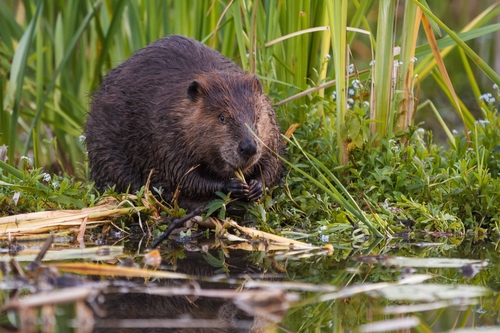
Massachusetts, US
You might spot American Beaver, Mountain Laurel, and Alder Buckthorn.
View guide →
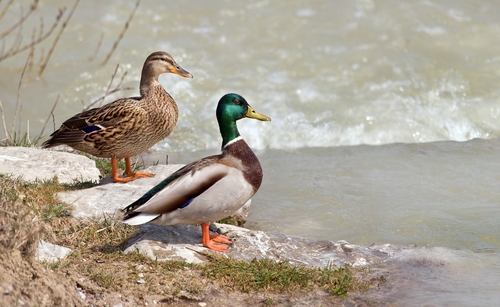
Washington, US
You might spot Duck, American Coot, and Canada Goose.
View guide →
Take the discovery with you
Snap it with Snappit to identify it, learn what makes it special, and add the discovery to your collection.







.jpg&width=800)



_001.jpg&width=800)




