Cherry Shot Hole
wilsonomyces carpophilus
The Cherry Shot Hole is a fascinating fungus that loves to live on cherry trees! It makes little holes in the leaves, which can look like tiny shots were taken at them!
Habitat: Cherry trees, particularly in orchards and woodlands.
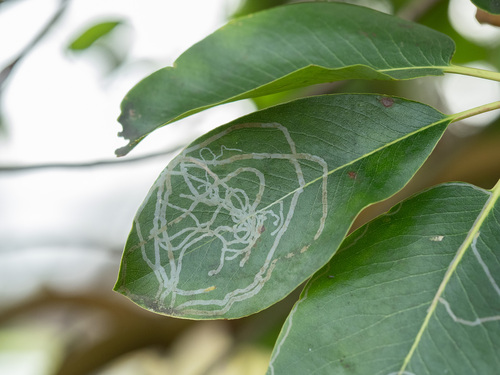
The Cherry Shot Hole disease is characterized by small, circular purple to reddish-brown spots on leaves. These spots often dry out and fall away, creating distinctive perforations resembling a shotgun blast. Affected fruits develop sunken lesions with red margins.
Category
FungiRarity
Common
Danger
0/5 · No known danger
Snaps
Be the first to snap!
Farmers fight hard against this tiny fungus to save their tasty fruit crops.
It can attack not just cherries, but also peaches, plums, and apricots.
Just one tiny spore can start a big problem for a whole cherry tree!
The holes in cherry leaves are actually made by the tree trying to heal itself!
Cherry Shot Hole can spread its tiny spores via splashing rain because this helps it infect new leaves and fruit.
Cherry Shot Hole has enzymes that cause leaf cells to die and drop out, creating its characteristic "shot hole" effect.
Cherry Shot Hole can overwinter in infected buds and cankers because this allows it to reappear each spring.
Prunus avium
causes disease on leaves, fruit, and twigs.
Prunus persica
can infect and damage peach leaves and fruit.

Prunus domestica
leads to shot holes and fruit spots on plums.
Arboreal animals live primarily in trees, utilizing them for shelter, food, and protection from predators.
Colorful describes organisms or objects displaying a wide range of bright and distinct colors.
Describes organisms that break down dead organic material, recycling nutrients back into the ecosystem.
Forest habitats are terrestrial environments dominated by dense tree cover, supporting a high diversity of plant and animal life.
Danger
0/5 · No known danger
No special safety notes yet.
The easiest way to identify Cherry Shot Hole is to use the Snappit nature identifier app.
inedible
Cherry trees, particularly in orchards and woodlands.
other
Spring to fall
Zoom in to split clusters and explore where this object has been snapped.
Recent snaps will appear here as new observations are added.
Take the discovery with you
Snap it with Snappit to identify it, learn what makes it special, and add the discovery to your collection.