Deceivers
laccaria
Deceivers are fascinating mushrooms that look like they are hiding in plain sight! They can change colors and blend in with their surroundings, making them fun to discover in the woods.
Habitat: Forests, especially under conifer trees.
The Deceivers has a cap that varies from pinkish-tan to orange-brown, often irregular or wavy as it matures. Its gills are typically thick and widely spaced, running down the stem. This mushroom is visually distinct due to its highly variable appearance, making it tricky to identify.
Category
FungiRarity
Common
Danger
1/5 · Very low
Snaps
3
Deceivers are common mushrooms you might spot in forests around the world.
Its name, 'Deceivers,' comes from its shape-shifting look as it grows.
Their gills often run down the stem, a cool feature helping identify them.
These mushrooms are super helpful, forming partnerships with many different trees.
Deceivers can swap nutrients with tree roots underground, helping both the fungus and tree grow stronger.
Deceivers have a highly variable look, helping them blend into their surroundings and 'deceive' observers.
Deceivers can release millions of tiny white spores that float away on the wind to grow new mushrooms.
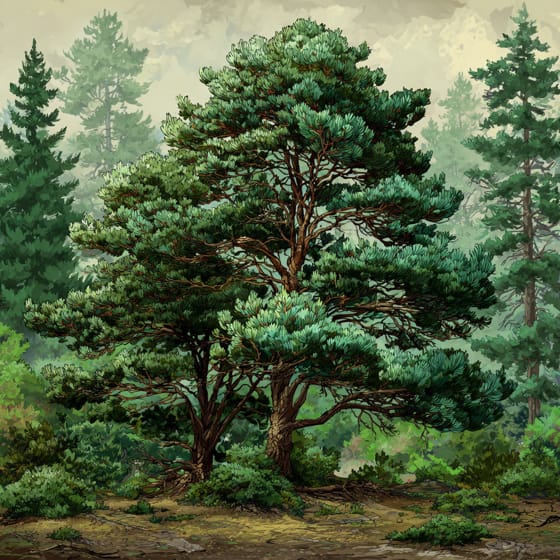
Pinus strobus
They swap nutrients with the tree's roots for mutual benefit.
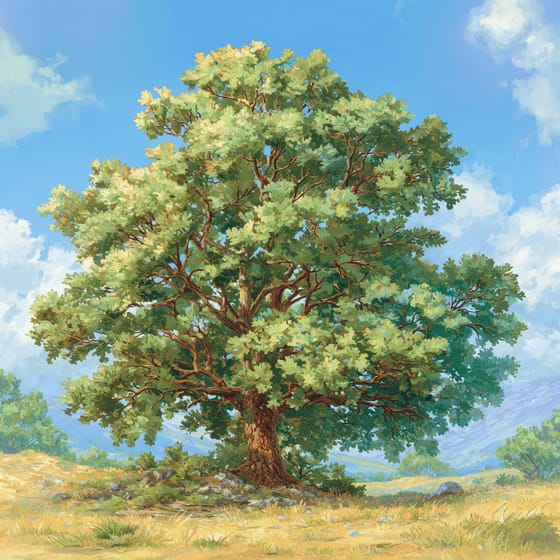
Quercus alba
Forms a vital underground network with oak tree root systems.
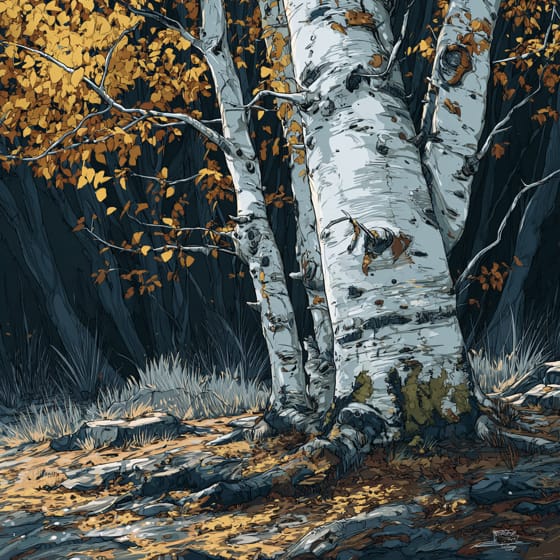
Betula papyrifera
Helps birch trees absorb water and minerals from the soil.
Solitary animals live alone for most of their lives, only interacting with others for mating or parental care.
Camouflaged describes organisms that possess coloring or patterns that allow them to blend into their environment.
Colorful describes organisms or objects displaying a wide range of bright and distinct colors.
Describes organisms that break down dead organic material, recycling nutrients back into the ecosystem.

Forest habitats are terrestrial environments dominated by dense tree cover, supporting a high diversity of plant and animal life.
Danger
1/5 · Very low
No special safety notes yet.
The easiest way to identify Deceivers is to use the Snappit nature identifier app.
3-10 cm
edible
2-8 cm
Forests, especially under conifer trees.
soil
Summer to fall
White
Zoom in to split clusters and explore where this object has been snapped.
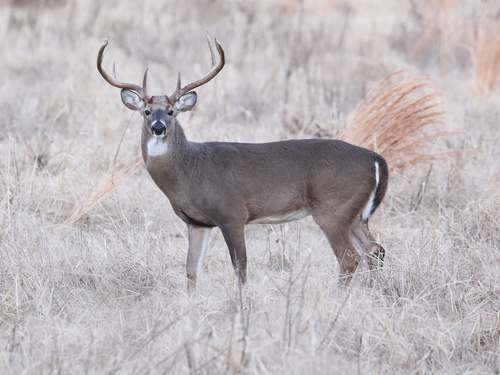
Ohio, US
You might spot White-Tailed Deer, Mayapple, and American Beech.
View guide →
Pennsylvania, US
You might spot White-Tailed Deer, Eastern Skunk Cabbage, and Canada Goose.
View guide →

Alaska, US
You might spot Beluga, North American Porcupine, and Meadow Buttercup.
View guide →

Oklahoma, US
You might spot Three-Toed Box Turtle and Blackjack Oak.
View guide →
Take the discovery with you
Snap it with Snappit to identify it, learn what makes it special, and add the discovery to your collection.