





Cherry Tree
Prunus avium
Cherry Trees are famous for their sweet cherries and beautiful pink flowers! They are a favorite in gardens.
Habitat: Gardens and orchards
The Cherry Tree has smooth, reddish-brown bark that darkens with age, and oval green leaves with finely toothed edges. In spring, it bursts with delicate white or pink blossoms, later producing small, shiny red or dark purple fruits that hang in clusters.
Category
TreesRarity
Common
Danger
1/5 · Very low
Snaps
3
Cherry wood is highly prized for making musical instruments and fancy furniture.
It takes about 2,000 cherries to make one cherry pie – that's a lot of picking!
Some cherry trees are grown just for their beautiful flowers, not their fruit!
The world's largest cherry pie was over 14 feet wide and weighed almost 38,000 pounds!
Cherry Trees can produce abundant, fragrant blossoms that act like a colorful sign, guiding bees and other insects to help with pollination.
Cherry Trees have juicy, edible fruits that attract birds, who eat them and then help spread the seeds far away to grow new trees.
Cherry Trees can grow and produce their first delicious fruits within just a few years, ensuring they can reproduce relatively quickly.
Cherry Trees have a clever ability to drop all their leaves in autumn, allowing them to rest and survive through cold, harsh winter conditions.
Apis mellifera
Collects nectar and pollen, aiding reproduction.
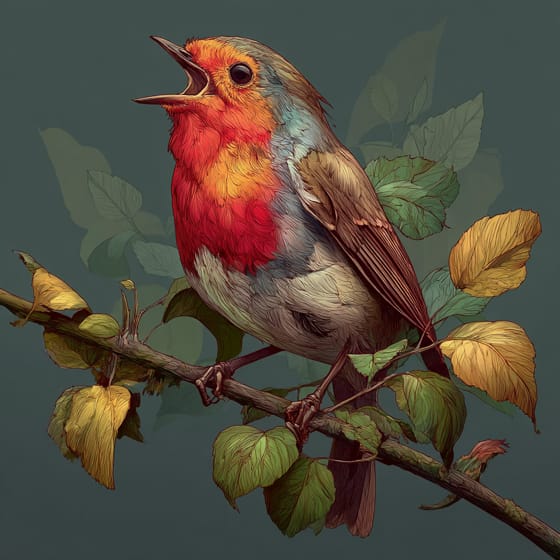
Turdus migratorius
Eats ripe cherries, helping to disperse the seeds.
Rhagoletis indifferens
Larvae feed inside developing cherries.
Monilinia fructicola
Causes disease in flowers and fruit.
Deciduous plants periodically shed all their leaves, typically during autumn or dry seasons.
Shade tolerant plants are adapted to grow and thrive in areas with low light levels, requiring less direct sunlight.
Spring blooming plants produce their flowers during the spring season, often signifying the end of winter and the start of new growth.
Fruit-bearing plants produce fruits, which are the mature ovaries of flowering plants containing seeds.

A fruit tree is a perennial tree that produces fruit, which is edible to humans or animals.

Edible plants are those parts of a plant that are considered safe for human consumption.

Forest habitats are terrestrial environments dominated by dense tree cover, supporting a high diversity of plant and animal life.
Danger
1/5 · Very low
Do not pick or eat anything you find. Some plants and mushrooms can be harmful.
The easiest way to identify Cherry Tree is to use the Snappit nature identifier app.
4-20 m
3-15 m
Yes
30-100 cm
20-50 years
Gardens and orchards
Drupe
Zoom in to split clusters and explore where this object has been snapped.

Pennsylvania, US
You might spot American Robin, Red-Winged Blackbird, and Lesser Celandine.
View guide →

New York, US
You might spot White Snakeroot, Rock Pigeon, and Eastern Gray Squirrel.
View guide →

New York, US
You might spot Rock Pigeon, White Snakeroot, and Eastern Gray Squirrel.
View guide →

Oregon, US
You might spot Tree-Of-Heaven, Duck, and Canada Goose.
View guide →

New York, US
You might spot Rock Pigeon, White Snakeroot, and House Sparrow.
View guide →
Take the discovery with you
Snap it with Snappit to identify it, learn what makes it special, and add the discovery to your collection.










