



Chironomus Atroviridis
chironomus atroviridis
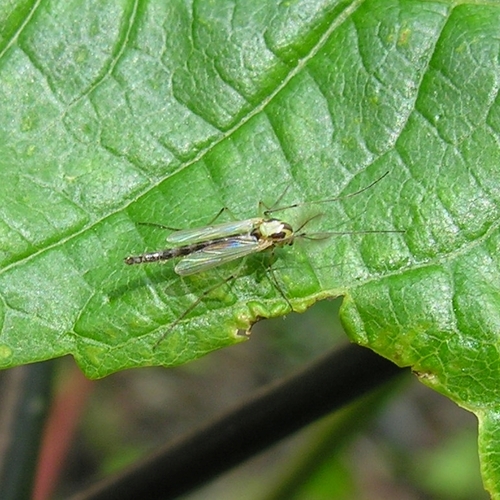
Chironomus atroviridis is a fascinating insect that often resembles a tiny mosquito! They play an important role in the ecosystem by serving as food for many aquatic animals.
Habitat: Freshwater environments, such as ponds, lakes, and marshes.
The Chironomus Atroviridis is a slender, mosquito-like insect with a distinctive dark green body. It has clear, delicate wings and males possess prominent, feathery antennae, easily distinguishing them from biting mosquitoes.
Category
InsectsRarity
Common
Danger
0/5 · No known danger
Snaps
Be the first to snap!
Adult midges have no working mouthparts, so they never eat anything!
Male midges use feathery antennae to 'hear' the wing beats of female midges!
Scientists use these midges to study and monitor pollution levels in freshwater.
Their bright red larvae are called 'bloodworms' because they have hemoglobin!
Chironomus Atroviridis larvae can survive in water with very little oxygen because they produce hemoglobin.
Its larvae filter feed on organic matter and bacteria, cleaning freshwater environments as they grow.
Male midges form large swarms at dusk to attract females, ensuring successful reproduction.
As larvae, they filter tiny food particles from water; adults do not feed at all.
Age differences: Adult Chironomus Atroviridis do not feed, while larvae are active filter-feeders.

Perca fluviatilis
eats midge larvae

Hirundo rustica
eats adult midges

Anax imperator
hunts adult midges
Chlamydomonas reinhardtii
larvae eat algae
Social animals live in organized groups, cooperating for survival benefits such as foraging, defense, and raising offspring.
Describes organisms that break down dead organic material, recycling nutrients back into the ecosystem.
This trait identifies organisms whose diet consists entirely or primarily of animal tissue.
Aquatic habitats encompass environments where organisms live predominantly in water, including oceans, rivers, lakes, and wetlands.
Nocturnal animals are primarily active during the nighttime hours, typically resting or sleeping during the day.
Danger
0/5 · No known danger
No special safety notes yet.
Look for six legs, antennae, three body sections and the shape of the wings. Beetles have hardened front wings; flies have just one working pair. Tiny insects may need a close view before their group is clear. Insect Identifier: upload a photo and compare the visible details.
8-12 mm
6-10 mm
1-10 days
As larvae, they filter tiny food particles from water; adults do not feed at all.
Freshwater environments, such as ponds, lakes, and marshes.
Filter feeding
6
Zoom in to split clusters and explore where this object has been snapped.
Recent snaps will appear here as new observations are added.
Take the discovery with you
Snap it with Snappit to identify it, learn what makes it special, and add the discovery to your collection.