_(8-7-08)_blanco_river%2C_co_(1)_(9424551044).jpg&width=800)





Sylvan Hairstreak
Satyrium sylvinus
The Sylvan Hairstreak is a small, colorful butterfly with beautiful blue and orange patterns on its wings. It loves to flutter around in sunny spots, especially near trees and flowers.
Habitat: Forests
The Sylvan Hairstreak has brownish-gray wings on top, with a lighter underside featuring a distinct white line, often edged with orange, running across its hindwings. It also typically sports small, dark eyespots and delicate "tails" near its hindwing margins. This combination helps it stand out from plainer brown butterflies.
Category
InsectsRarity
Common
Danger
1/5 · Very low
Snaps
2
Instead of just flowers, adults sometimes sip sweet tree sap for a sugary treat!
Look closely! This butterfly often "rubs" its hindwings together, making its fake antennae wiggle.
Sylvan Hairstreak caterpillars love to munch on willow leaves before they transform.
The tiny "tails" on its wings might distract predators, helping the butterfly escape danger!
Sylvan Hairstreak has fake antennae and an eyespot on its hindwings that helps them trick predators into attacking the wrong end.
Sylvan Hairstreak has cryptic wing patterns that helps them blend seamlessly into their leafy habitat to hide from hungry birds.
Sylvan Hairstreak can perform quick, erratic flight maneuvers that helps them evade capture from fast-flying insect predators.
Larvae munch leaves, while adults sip sweet nectar and tree sap.
Age differences: Larvae feed exclusively on host plant leaves, while adults consume liquid foods like nectar and sap.
Salix exigua
Larvae feed on its leaves for growth and development.
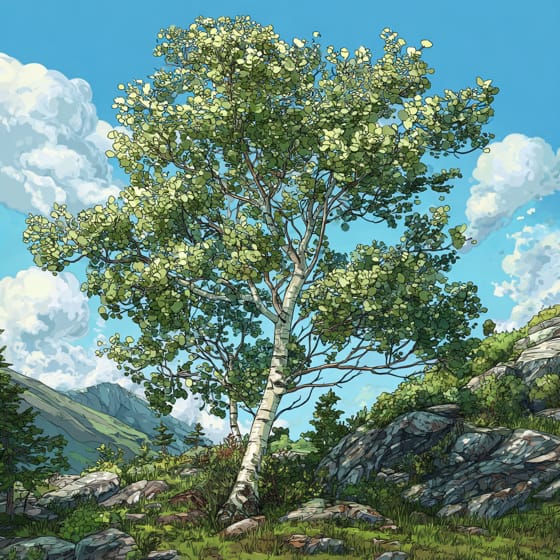
Populus tremuloides
Sometimes used as a host plant for its caterpillars.

Cyanocitta stelleri
Adult butterflies are a food source for insectivorous birds.

Asclepias speciosa
Adults visit flowers for nectar, aiding plant reproduction.
Solitary animals live alone for most of their lives, only interacting with others for mating or parental care.
Camouflaged describes organisms that possess coloring or patterns that allow them to blend into their environment.
Colorful describes organisms or objects displaying a wide range of bright and distinct colors.
This trait characterizes organisms whose diet consists entirely or primarily of plant material.

Describes plants that are particularly attractive and beneficial to a wide range of pollinating organisms.

Forest habitats are terrestrial environments dominated by dense tree cover, supporting a high diversity of plant and animal life.

Diurnal animals are primarily active during daylight hours, typically resting or sleeping at night.

Describes organisms that transfer pollen, enabling the fertilization and reproduction of plants.
No aliases listed yet.
Danger
1/5 · Very low
Always watch butterflies from a distance and be gentle if you want to look closer.
The easiest way to identify Sylvan Hairstreak is to use the Snappit nature identifier app.
25-35 mm
10-15 mm
45-75 days
10 km/h
Larvae munch leaves, while adults sip sweet nectar and tree sap.
Forests
Foraging
Zoom in to split clusters and explore where this object has been snapped.
Take the discovery with you
Snap it with Snappit to identify it, learn what makes it special, and add the discovery to your collection.








.jpg&width=800)


