Cipangopaludina
cipangopaludina
Cipangopaludina is a fascinating freshwater snail that glides gracefully through the water. With its beautiful shell, it’s like a little underwater treasure!
Habitat: Freshwater ponds, lakes, and rivers
The Cipangopaludina has a large, sturdy, conical shell that is typically dark olive-green to brown, sometimes with subtle bands. Its smooth, whorled surface ends in a rounded apex, and a dark, leathery operculum seals the opening.
Category
InvertebrateRarity
Common
Danger
0/5 · No known danger
Snaps
Be the first to snap!
A single snail can filter many gallons of water, keeping it clean!
Female snails give birth to live baby snails, not eggs!
These snails can survive being buried in mud during dry spells.
They move across surfaces by rippling their large, muscular foot.
Cipangopaludina can breathe both underwater using gills AND out of water with a special 'lung' that helps them survive drying conditions.
Cipangopaludina has a hard, trapdoor-like operculum that helps them seal their shell, protecting against predators and drought.
Cipangopaludina can give birth to live, miniature snails, skipping the egg stage, which helps their babies survive better.
These snails munch on tiny plants and decaying bits in the water, helping to clean it!
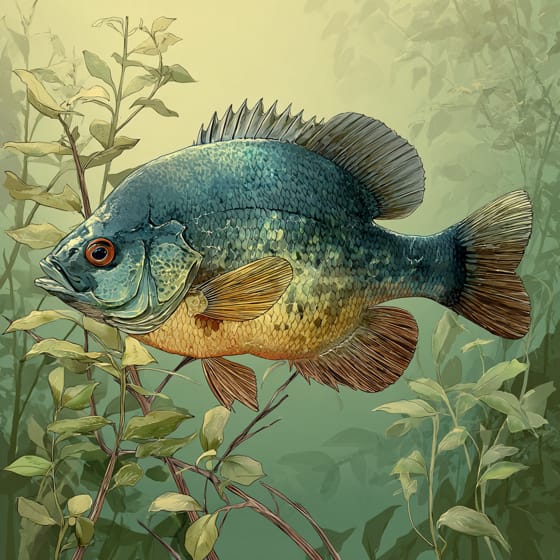
Lepomis macrochirus
Fish like the bluegill often eat young snails.
Anas platyrhynchos
Ducks forage for snails in shallow freshwater habitats.

Procyon lotor
Raccoons might pick snails from the water's edge.
Solitary animals live alone for most of their lives, only interacting with others for mating or parental care.
Colorful describes organisms or objects displaying a wide range of bright and distinct colors.
Filter feeders obtain nutrients by straining suspended food particles and small organisms from water.
This trait characterizes organisms whose diet consists entirely or primarily of plant material.

Aquatic habitats encompass environments where organisms live predominantly in water, including oceans, rivers, lakes, and wetlands.
Danger
0/5 · No known danger
No special safety notes yet.
The easiest way to identify Cipangopaludina is to use the Snappit nature identifier app.
4 cm
5 years
These snails munch on tiny plants and decaying bits in the water, helping to clean it!
Freshwater ponds, lakes, and rivers
Grazing
6 cm
Zoom in to split clusters and explore where this object has been snapped.
Recent snaps will appear here as new observations are added.
Take the discovery with you
Snap it with Snappit to identify it, learn what makes it special, and add the discovery to your collection.