_(14271931240).jpg&width=800)





Grass Cerith
Bittiolum varium
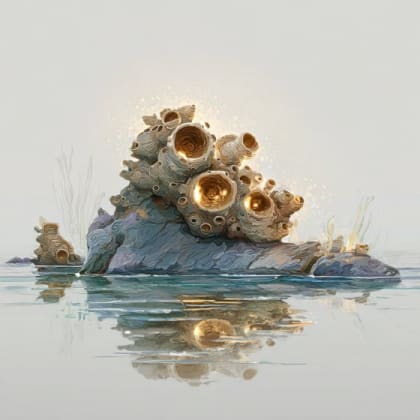
The Grass Cerith is a small, spiral-shaped sea snail that loves to hide in the sand. It has a pretty shell that can be different colors, making it a fun find on the beach!
Habitat: Coastal areas
The Grass Cerith is a small, elongated insect with a greenish-brown body that helps it blend into its grassy home. Its hard exoskeleton can appear speckled, mimicking dried grass blades, and it possesses two prominent antennae. Its slender shape distinguishes it from broader grasshoppers.
Category
InvertebrateRarity
Common
Danger
1/5 · Very low
Snaps
Be the first to snap!
Even though it's tiny, a Grass Cerith can jump many times its own length to escape quickly.
Its body changes color slightly to match new grass growth, making it a master of disguise!
Some Grass Ceriths 'sing' by rubbing their legs together, but it's too quiet for humans to hear!
They lay their eggs hidden deep inside hollow grass stems to keep them safe and warm.
Grass Cerith can perfectly blend into tall grasses because of its mottled green and brown exoskeleton that helps them hide from predators.
Grass Cerith has small, transparent wings that allow them to make short, rapid flights to escape danger or move between grass clumps.
Grass Cerith can detect subtle ground vibrations using special leg sensors that help them sense approaching threats.
Grass Cerith has a specialized proboscis that helps them pierce plant stems and extract nourishing sap with ease.
A tiny plant-eater, enjoying the sweet juices found inside various grass and plant stems.
Sorex cinereus
often hunts small insects hidden in grass.
Araneus diadematus
spins webs in grass to catch flying prey.
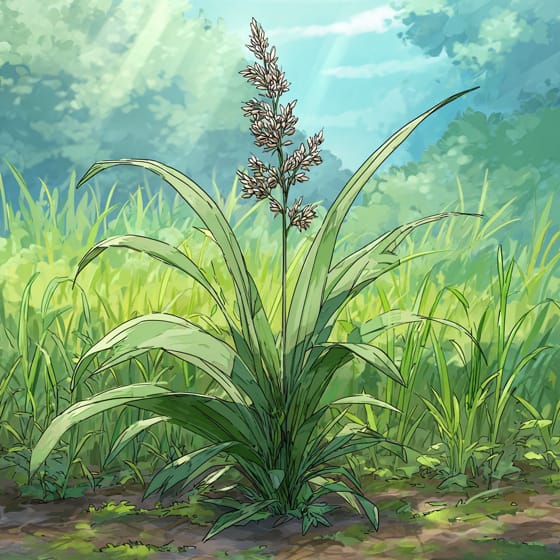
Dactylis glomerata
provides essential sap and shelter for the insect.
%2C_Parc_de_Woluw%C3%A9%2C_Brussels_(13042792905).jpg&width=800)
Parus major
forages in grassy areas, preying on insects.
Solitary animals live alone for most of their lives, only interacting with others for mating or parental care.
Burrowing animals dig tunnels and chambers in the ground, using these subterranean structures for shelter, hunting, or breeding.
Colorful describes organisms or objects displaying a wide range of bright and distinct colors.
This trait characterizes organisms whose diet consists entirely or primarily of plant material.

Describes organisms that break down dead organic material, recycling nutrients back into the ecosystem.

Coastal habitats are dynamic environments located along the interface between land and sea, influenced by tides, waves, and saltwater.

Marine habitats encompass all saltwater environments of the Earth's oceans, supporting an immense diversity of aquatic life.
No aliases listed yet.
Danger
1/5 · Very low
Be gentle when looking for snails and always wash your hands after touching them.
The easiest way to identify Grass Cerith is to use the Snappit nature identifier app.
10-25 mm
5-15 mm
30-90 days
8 km/h
A tiny plant-eater, enjoying the sweet juices found inside various grass and plant stems.
Coastal areas
Foraging
Zoom in to split clusters and explore where this object has been snapped.
Recent snaps will appear here as new observations are added.
Take the discovery with you
Snap it with Snappit to identify it, learn what makes it special, and add the discovery to your collection.