_Ficus_pumila_in_front_of_hotel_citradream_Cirebon_2019_0.jpg&width=800)





Climbing Fig
ficus pumila
The Climbing Fig is a fun plant that can grow up walls and trees! Its heart-shaped leaves are great for hiding and playing peek-a-boo!
Habitat: Tropical and subtropical rainforests, often climbing on trees and structures.
The Climbing Fig has small, heart-shaped, dark green leaves when young, maturing to larger, oval ones. It forms a dense, mat-like cover, clinging tightly to surfaces with its sticky aerial roots, often appearing as a vibrant green tapestry.
Category
PlantsRarity
Common
Danger
1/5 · Very low
Snaps
2
A tiny fig wasp must enter the fig to lay its eggs and pollinate the plant.
It can grow so strongly that it can sometimes crack walls or damage buildings!
The 'fruit' is actually a special structure holding hundreds of tiny flowers inside!
Young Climbing Fig plants look completely different from the mature ones!
Climbing Fig can scale walls and rocks using tiny, adhesive aerial roots that grip almost any surface, helping it reach sunlight.
Climbing Fig has small, heart-shaped leaves for climbing, which transform into larger, oval leaves once it matures.
Climbing Fig can root at every node it touches, allowing it to spread widely and quickly cover large areas.
Wiebesia pumilae
Crucial for the plant's reproduction.
Cynopterus brachyotis
Disperses seeds by eating its fruit.
Hemidactylus frenatus
Hides within its dense foliage.
Arboreal animals live primarily in trees, utilizing them for shelter, food, and protection from predators.
Colorful describes organisms or objects displaying a wide range of bright and distinct colors.
This trait characterizes organisms whose diet consists entirely or primarily of plant material.
Forest habitats are terrestrial environments dominated by dense tree cover, supporting a high diversity of plant and animal life.

Diurnal animals are primarily active during daylight hours, typically resting or sleeping at night.
Danger
1/5 · Very low
No special safety notes yet.
The easiest way to identify Climbing Fig is to use the Snappit nature identifier app.
1500-2000 cm
Spring to fall
No
Mild
Perennial
Insect
Tropical and subtropical rainforests, often climbing on trees and structures.
Zoom in to split clusters and explore where this object has been snapped.
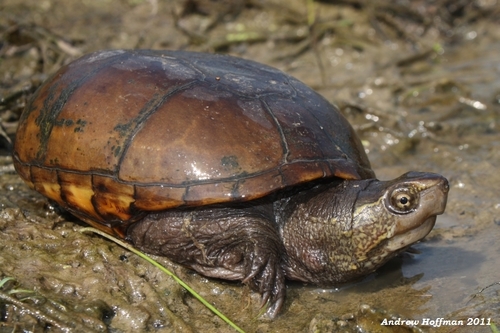
South Carolina, US
You might spot Eastern Mud Turtle, Anole, and Mediterranean House Gecko.
View guide →

US
You might spot Loggerhead Sea Turtle and North American River Otter.
View guide →
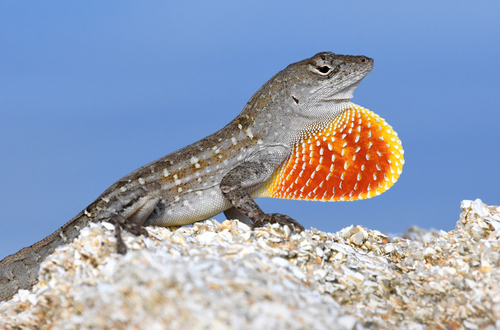
Florida, US
You might spot Brown Anole, Southern Live Oak, and Resurrection Fern.
View guide →
Take the discovery with you
Snap it with Snappit to identify it, learn what makes it special, and add the discovery to your collection.








.jpg&width=800)



_001.jpg&width=800)




