





mountain gooseberry
Ribes montigenum
Mountain gooseberry is a small, bushy plant that grows in the mountains. It has bright green leaves and produces tasty, tangy berries that many animals love to eat!
Habitat: Mountain regions
The mountain gooseberry is a thorny shrub with reddish-brown branches and small, bright green, deeply lobed leaves. Its delicate, tubular flowers are often reddish or pinkish, hanging in clusters. The berries ripen to a vibrant red-orange, covered in stiff bristles.
Category
PlantsRarity
Common
Danger
1/5 · Very low
Snaps
Be the first to snap!
Each berry can contain many small seeds, helping it spread to new mountain spots.
Gooseberry plants belong to the same family as currants, but gooseberries have thorns!
Its tiny, bell-shaped flowers can be a beautiful mix of red, pink, and orange!
Native Americans have long gathered these tart berries for food and even made jam.
Mountain gooseberry has sharp spines on its branches that help it defend against hungry deer and other animals wanting to munch on its leaves.
This plant can grow in rocky, thin soils at high mountain elevations where many other plants struggle, thanks to its tough root system.
It produces juicy, bright red berries that are a vital food source, helping various birds and mammals get energy in harsh mountain environments.
Ursus americanus
Feasts on ripe berries for energy.
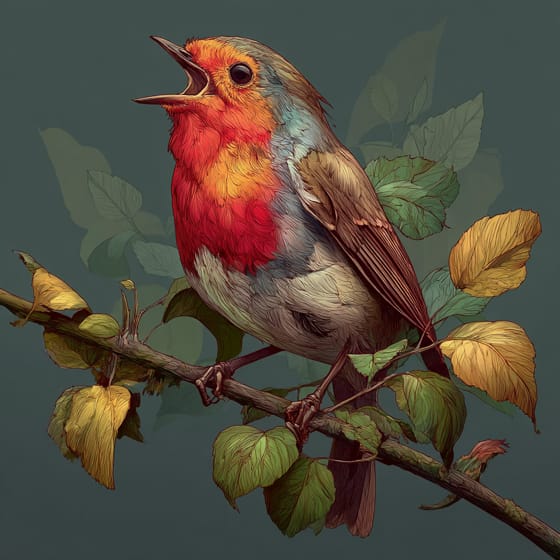
Turdus migratorius
Consumes berries, helping disperse seeds.
Bombus bifarius
Visits flowers to collect nectar and pollen.
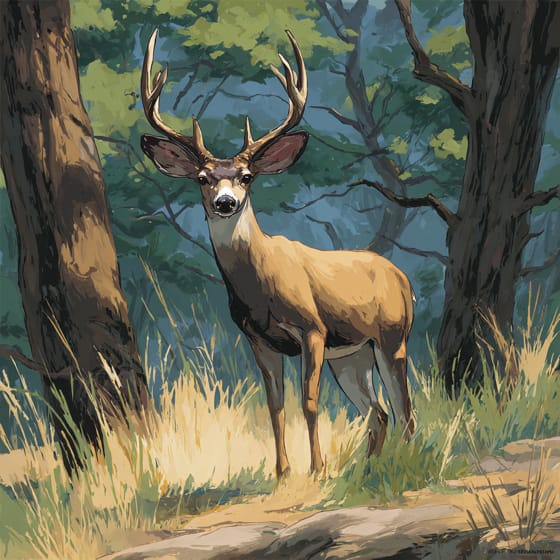
Odocoileus hemionus
Browses leaves and twigs (despite spines).
Deciduous plants periodically shed all their leaves, typically during autumn or dry seasons.
A shrub is a woody plant smaller than a tree, typically with multiple stems branching from or near the ground.
Cold hardy plants are able to withstand low temperatures and freezing conditions without significant damage.
Fruit-bearing plants produce fruits, which are the mature ovaries of flowering plants containing seeds.

Edible plants are those parts of a plant that are considered safe for human consumption.

This habitat trait identifies species found in mountainous regions, characterized by high elevation, steep slopes, and varying climate zones.

Describes organisms that transfer pollen, enabling the fertilization and reproduction of plants.
No aliases listed yet.
Danger
1/5 · Very low
Always ask an adult before trying to eat any berries you find in nature.
The easiest way to identify mountain gooseberry is to use the Snappit nature identifier app.
50-200 cm
50-200 cm
0.5-1 cm
Late spring to early summer
Yes
None
Perennial
Zoom in to split clusters and explore where this object has been snapped.
Recent snaps will appear here as new observations are added.
Take the discovery with you
Snap it with Snappit to identify it, learn what makes it special, and add the discovery to your collection.








.jpg&width=800)



_001.jpg&width=800)



