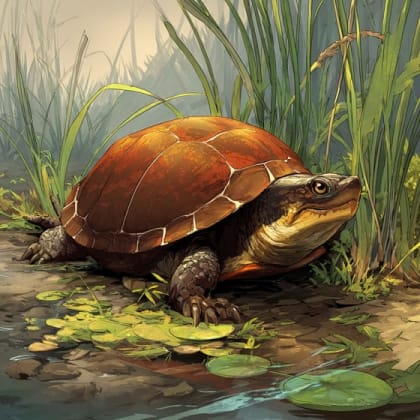





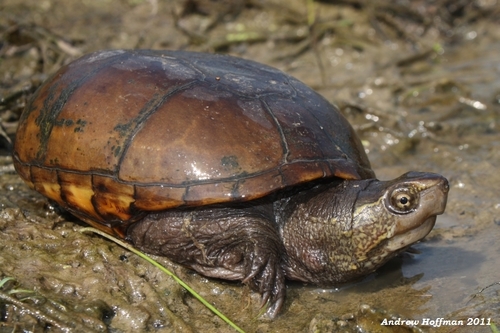
Eastern Mud Turtle
The Summerville Historic District invites visitors to step back in time amidst stunning architecture and lush landscapes.
The Summerville Historic District invites visitors to step back in time amidst stunning architecture and lush landscapes. Often called the "Flower Town in the Pines," this charming South Carolina destination boasts over 700 contributing buildings, many predating World War I, showcasing a rich tapestry of architectural styles and a deep connection to its past as a health retreat. Its tree-lined streets and well-preserved homes offer a tranquil escape, steeped in Southern hospitality and natural beauty.
Exploring the district reveals an array of architectural gems, from stately Greek Revival and Victorian mansions to quaint raised cottages designed to capture gentle breezes. Notable highlights include the elegant Brailsford-Browning House, an early example of Summerville architecture, the Victorian splendor of the Elizabeth Arden House with its double piazzas, and the charming Middleton-Minott Cottage. Azalea Park, a 12-acre oasis, serves as a picturesque starting point for self-guided tours, renowned for its vibrant gardens, walking trails, and public sculptures, especially breathtaking during the spring bloom.
A visit to Summerville Historic District is more than just sightseeing; it's an immersion into a preserved piece of Lowcountry heritage. The combination of historical significance, architectural diversity, and the town's dedication to its "Flower Town" moniker, particularly evident in its azalea culture, makes for a uniquely memorable experience. Whether admiring the intricate details of a Queen Anne home or simply enjoying a stroll beneath ancient oaks, the district offers a peaceful and picturesque journey through South Carolina's storied past. Planning to visit? Download the Snappit app to identify the wildlife you spot in real-time.
Summerville's origins trace back to the late 1700s when Lowcountry residents sought refuge from the summer heat and coastal diseases in its pine-forested ridge, establishing it as a seasonal haven. Initially known as "Pineland Village," the town's informal development led to its winding roads that still characterize the older sections today. The arrival of the railroad in the 1830s spurred further growth, and Summerville was officially incorporated as a village in 1847. By the late 19th century, Summerville gained international acclaim as a health resort. The therapeutic properties of its pine-scented air were believed to alleviate lung and throat disorders, attracting visitors seeking wellness. This period saw the establishment of grand inns, such as the renowned Pine Forest Inn and the Squirrel Inn, which hosted notable guests and solidified Summerville's reputation as a distinguished destination until the Great Depression of the 1930s. Today, the Summerville Historic District, listed on the National Register of Historic Places since 1976, encompasses approximately 700 buildings, with about 70% predating World War I, preserving this rich legacy.
Take a self-guided "Historic Homes and Flowers Walking Tour" starting from Azalea Park. Explore the unique shops and dining options in Historic Downtown Summerville. Visit the Summerville-Dorchester Museum for a deeper dive into local history. Enjoy the natural beauty and sculptures in Azalea Park.
Spring: The best time for blooming azaleas and gardens; can be crowded during the annual Flowertown Festival.
Summer: Can be hot and humid, but the historic homes with their raised foundations and piazzas were designed for cooling.
Fall: Pleasant weather for walking and outdoor activities.
Winter: Milder temperatures, ideal for escaping colder climates.
The district's terrain is mostly flat, making walking tours generally accessible. Azalea Park features walking paths. Some walking tours are self-paced, allowing visitors to go at their own rhythm. Specific accessibility for individual historic homes may vary as most are private residences.
A 12-acre park with walking trails, ponds, fountains, and a permanent collection of outdoor sculptures, particularly beautiful when azaleas are in bloom.
Many private residences display diverse architectural styles like Greek Revival, Victorian, and Queen Anne. Notable examples often featured on walking tours include the Brailsford-Browning House, Gelzer Brothers House, Middleton-Minott Cottage, Oliver House, William Prioleau House, and the Elizabeth Arden House.
A historic inn, now converted into condominiums, with a stained-glass squirrel image in its front door, representing its past as a popular lodging.
Offers insights into the town's history through artifacts and exhibits.
Each card links to a full Explore page with photos, traits, and fun facts.
Start with the big picture, then zoom in to explore individual wildlife observations around this place.
Wear comfortable shoes
The best way to experience the district is by walking its charming, tree-lined streets.
Pick up a self-guided tour map
Start at Azalea Park or the Summerville Visitor Center to get maps for the "Historic Homes and Flowers Walking Tour," which provides details on notable properties.
Visit in spring
To see the azaleas at their peak, plan your trip for late March or April.
Explore side streets
Don't stick only to the main routes; many hidden architectural gems are tucked away on quieter residential streets.
Allow time for Azalea Park
This central park is a beautiful spot for relaxation and photography, especially during blooming season.
Bring a camera
The historic architecture, mature oak trees draped with Spanish moss, and colorful gardens offer endless photographic opportunities.
Jun 13, 2026
Jun 13, 2026
Jun 8, 2026
Jun 6, 2026
Jun 5, 2026

Maryland, US
You might spot White-Tailed Deer and Eastern Gray Squirrel.
View guide →
.jpg)
District of Columbia, US
You might spot Eastern Gray Squirrel, Duck, and House Sparrow.
View guide →

Illinois, US
You might spot American Robin, Canada Goose, and House Sparrow.
View guide →

Virginia, US
You might spot Spotted Lanternfly and Northern Cardinal.
View guide →
Take the discovery with you
Identify the wildlife you spot, learn as you go, and keep a collection of the adventure.










































.jpg&width=800)