





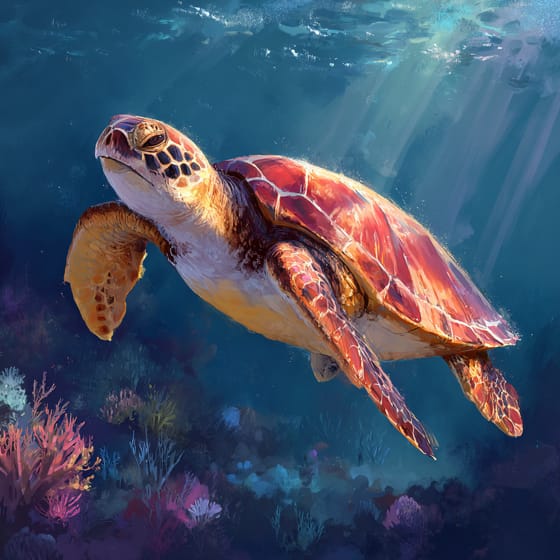
Loggerhead Sea Turtle
The South Carolina Aquarium is a captivating window into the aquatic wonders of the Palmetto State.
The South Carolina Aquarium is a captivating window into the aquatic wonders of the Palmetto State. Nestled on Charleston Harbor, this institution brings visitors face-to-face with thousands of native animals and plants, showcasing everything from mountain streams to the vast Atlantic Ocean. It's a place where education and conservation converge, offering engaging experiences that highlight the importance of protecting our natural world.
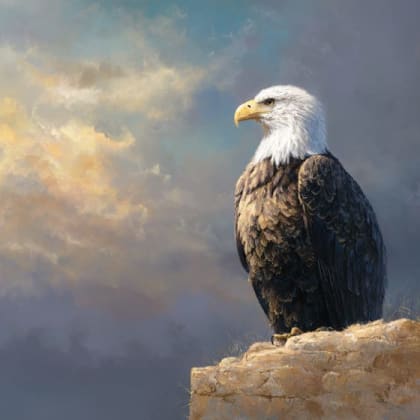
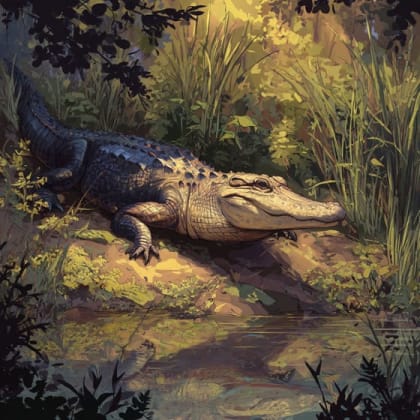
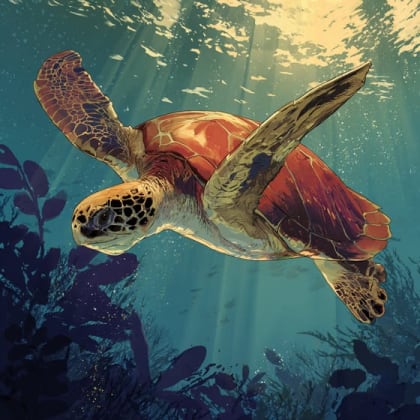
Guests embark on a remarkable "journey of water" across South Carolina's distinct regions, beginning in the Mountain Forest with its cascading waterfalls and resident bald eagle, Liberty, and playful river otters, Charlie and Beau. Moving through exhibits like the Piedmont and Coastal Plain, visitors encounter diverse species such as alligators and venomous snakes, before arriving at the impressive Great Ocean Tank. This 42-foot-deep, 385,000-gallon habitat is home to hundreds of marine animals, including majestic sharks, stingrays, and the beloved loggerhead sea turtle, Caretta. Interactive touch tanks invite guests to gently connect with creatures like horseshoe crabs, sea stars, and even small sharks.
Beyond its incredible exhibits, the aquarium is a beacon of hope for marine life, particularly through its Zucker Family Sea Turtle Recovery. Here, guests can observe the vital work of rehabilitating sick and injured sea turtles, witnessing their journey from rescue to release. The South Carolina Aquarium provides a memorable and enriching experience for all ages, fostering a deeper appreciation for the intricate beauty and critical conservation needs of South Carolina's aquatic environments. Eager to name that creature? Identify any animal you find during your visit using the Snappit app.
The South Carolina Aquarium officially opened its doors on May 19, 2000, situated on the historic Charleston Harbor. Its mission from the outset has been to inspire conservation of the natural world through exceptional animal care, education, and research. The idea for the aquarium was first conceived in 1983 by former Mayor Joseph P. Riley Jr. after visiting the Shedd Aquarium. The facility was designed to highlight the rich biodiversity of South Carolina's aquatic ecosystems, guiding visitors through the journey of water from the Blue Ridge Mountains to the Atlantic Ocean. Since its opening, it has become one of the region's most visited attractions and is accredited by the Association of Zoos and Aquariums (AZA). A significant expansion of its conservation efforts occurred with the opening of the Zucker Family Sea Turtle Recovery Center, a working hospital that allows visitors to witness the rehabilitation of sick and injured sea turtles firsthand. This center has rehabilitated hundreds of sea turtles since its inception, playing a crucial role in the species' survival.
Explore the various galleries that depict South Carolina's ecosystems from mountains to the sea. Watch animal feedings and dive shows, interact at the touch tanks, and learn about conservation efforts at the Sea Turtle Recovery Center. Look for specific animals like Alabaster the albino alligator in the Coastal Plain exhibit.
The aquarium is open year-round, except for Thanksgiving Day and Christmas Day. Special events like "Aquarium Aglow" during the holiday season offer a unique lighted experience. Weekday mornings are best for fewer crowds, while summer and holidays tend to be busier.
The aquarium is committed to providing an engaging experience for all visitors. Complimentary wheelchairs are available for rent with a picture ID on a first-come, first-served basis. Strollers and diaper bags are permitted, though smaller strollers are recommended for easier navigation. The Boneyard Beach Touch Tank Experience, opened in May 2025, features lowered tank walls for increased accessibility.
The deepest tank in North America at 42 feet, featuring sharks, sea turtles, stingrays, and various fish. Daily dive shows offer insights into animal care and feeding.
A working sea turtle hospital where you can observe veterinarians and marine biologists caring for injured sea turtles.
An outdoor exhibit where you can gently touch cownose and Atlantic stingrays, and even feed them for an additional fee.
Home to Liberty, a rescued bald eagle, and the playful North American river otters, Charlie and Beau.
Each card links to a full Explore page with photos, traits, and fun facts.
Start with the big picture, then zoom in to explore individual wildlife observations around this place.
Purchase tickets online in advance
The aquarium encourages timed entry and online ticket purchases to reduce wait times and guarantee your spot, especially during busy periods.
Arrive early or late
To avoid peak crowds, consider visiting on a weekday morning right after opening or later in the afternoon, closer to the last entry time.
Don't miss the Great Ocean Tank dive shows: Check the daily schedule for feeding times and presentations by divers in the Great Ocean Tank for an immersive experience.
Engage with the touch tanks
Take advantage of the interactive touch tanks in "The Shallows" and "Discovery Lab" to feel stingrays, horseshoe crabs, sea stars, and even small chain dogfish sharks. You can often purchase a voucher to feed the stingrays for an additional fee.
Visit the Sea Turtle Recovery Center
This is a unique opportunity to see real conservation work in action and learn about sea turtle rehabilitation.
Check for special events
The aquarium hosts various special events throughout the year, such as Aquarium Aglow during the holidays, which can offer a unique visiting experience.

Michigan, US
You might spot African Lion, Komodo Dragon, and Brown Bear.
View guide →
.jpg)
Municipal District of Cobh, IE
You might spot Ring-Tailed Lemur, Giraffes, and Cheetahs.
View guide →

Nouvelle-Aquitaine, FR
You might spot Greater Flamingo, Giraffes, and Red Panda.
View guide →

Texas, US
You might spot Giraffes, African Lion, and Eastern Black Rhinoceros.
View guide →
Take the discovery with you
Identify the wildlife you spot, learn as you go, and keep a collection of the adventure.





















.jpg&width=800)







.jpg&width=800)