





Cluster Flies
Pollenia
Cluster flies are small, fuzzy flies that often gather in groups. They like to find warm places to rest during the colder months and can sometimes be found buzzing around windows.
Habitat: Urban areas
The Cluster Fly has a greyish-olive thorax covered in golden-brown hairs and a darker abdomen with irregular pale patches. It is often larger and more sluggish than a common house fly, and can display an iridescent sheen under certain light.
Category
InsectsRarity
Common
Danger
1/5 · Very low
Snaps
Be the first to snap!
Did you know their babies grow inside earthworms? Gross but cool!
These flies have a secret weapon: they sometimes play dead to escape danger!
They often get mistaken for house flies, but cluster flies are bigger and slower.
When cold, hundreds of them huddle together like a fuzzy blanket.
Cluster Flies can parasitize earthworms because their larvae burrow into and develop inside the worms, helping control their populations.
Cluster Flies can survive winter by gathering in large, inactive groups in sheltered spots, conserving energy until warmer weather.
Cluster Flies can find earthworms to lay eggs nearby by sensing their scent in the soil, ensuring larvae have food.
Adult Cluster Flies sip on nectar and decaying fruit, while their larvae are worm-eaters!
Age differences: Larvae parasitize earthworms, while adults feed on plant sap and flower nectar.
Lumbricus terrestris
Larvae develop inside and feed on this common earthworm.
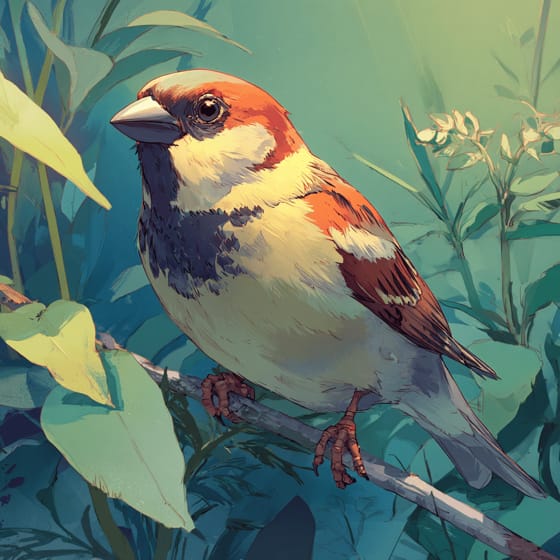
Passer domesticus
Adult cluster flies are sometimes caught and eaten by sparrows.
Arigiope aurantia
These spiders can catch adult cluster flies in their sticky webs.
Furry describes animals possessing a dense covering of soft hair or fur.
Social animals live in organized groups, cooperating for survival benefits such as foraging, defense, and raising offspring.
Describes organisms that break down dead organic material, recycling nutrients back into the ecosystem.
Diurnal animals are primarily active during daylight hours, typically resting or sleeping at night.

This habitat trait indicates species that can coexist with humans in urban and suburban environments, utilizing man-made structures and green spaces.

Describes organisms that transfer pollen, enabling the fertilization and reproduction of plants.
No aliases listed yet.
Danger
1/5 · Very low
Cluster flies are safe, but it's best to leave them alone and not touch them.
The easiest way to identify Cluster Flies is to use the Snappit nature identifier app.
12-20 mm
6-10 mm
10-30 days
Adult Cluster Flies sip on nectar and decaying fruit, while their larvae are worm-eaters!
Urban areas
6
Zoom in to split clusters and explore where this object has been snapped.
Recent snaps will appear here as new observations are added.
Take the discovery with you
Snap it with Snappit to identify it, learn what makes it special, and add the discovery to your collection.







.jpg&width=800)




