





Colorado Soldier Beetle
Chauliognathus basalis
The Colorado Soldier Beetle is a bright orange insect that loves to munch on flowers and plants. They are often seen in gardens and fields, making them fun to spot!
Habitat: Grasslands
The Colorado Soldier Beetle has a distinctive bright orange-yellow body contrasted with black markings. It features a prominent black spot on its pronotum, right behind the head, and its wing covers often have black tips. This vibrant coloration makes it visually distinct from many other garden beetles.
Category
InsectsRarity
Common
Danger
1/5 · Very low
Snaps
1
Adult soldier beetles love to gather in large groups on flowers, looking for mates!
Their bright colors warn hungry birds that they taste bad and should be avoided!
Their larvae live in soil, eating pests and decaying matter before becoming adults!
They are sometimes called 'Leatherwings' because their wing covers are soft and flexible!
The Colorado Soldier Beetle can release foul-tasting chemicals from its body, helping them deter hungry predators.
The Colorado Soldier Beetle can drink nectar from flowers using its mouthparts, which helps them transfer pollen between plants.
The Colorado Soldier Beetle can hunt and eat small soft-bodied insects, helping control pest populations in gardens.
Adults sip nectar and hunt small insects, while larvae eat soil pests.
Age differences: Larvae are primarily predatory on soil-dwelling pests and detritivores, adults are omnivorous.
Aphis fabae
Adults and larvae prey on this soft-bodied garden pest.
Solidago canadensis
Feeds on nectar, helping this wildflower spread its seeds.
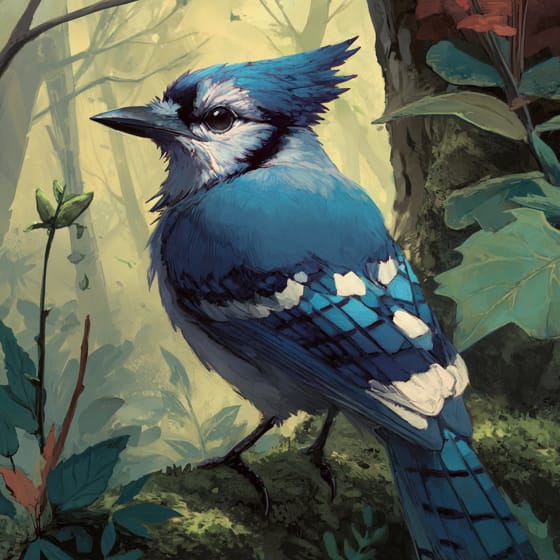
Cyanocitta cristata
May be eaten by birds, despite its warning coloration.
Solitary animals live alone for most of their lives, only interacting with others for mating or parental care.
Colorful describes organisms or objects displaying a wide range of bright and distinct colors.
Grassland habitats are terrestrial biomes dominated by grasses and herbaceous plants, supporting a variety of grazing animals.
This trait characterizes organisms whose diet consists entirely or primarily of plant material.

Describes plants that are particularly attractive and beneficial to a wide range of pollinating organisms.

Diurnal animals are primarily active during daylight hours, typically resting or sleeping at night.

This trait identifies organisms that exhibit exceptional swiftness in movement for hunting, escape, or travel.

Describes organisms that transfer pollen, enabling the fertilization and reproduction of plants.
No aliases listed yet.
Danger
1/5 · Very low
These beetles are safe to observe, but it's best to watch them without touching.
The easiest way to identify Colorado Soldier Beetle is to use the Snappit nature identifier app.
15-24 mm
8-12 mm
30-60 days
8 km/h
Adults sip nectar and hunt small insects, while larvae eat soil pests.
Grasslands
Foraging
Zoom in to split clusters and explore where this object has been snapped.
Take the discovery with you
Snap it with Snappit to identify it, learn what makes it special, and add the discovery to your collection.







.jpg&width=800)



