





Double-striped Pug
Gymnoscelis rufifasciata
The Double-striped Pug is a small moth with beautiful stripes on its wings. It loves to flutter around gardens and fields, making it a delightful sight for everyone!
Habitat: Gardens and fields
The Double-striped Pug is a small moth, typically brownish-grey, with two distinct dark bands or stripes across its forewings. These bands are often broken or wavy, helping it camouflage against tree bark or plants. Its wings have a slightly scalloped edge.
Category
InsectsRarity
Common
Danger
1/5 · Very low
Snaps
Be the first to snap!
Adult Double-striped Pugs only sip nectar, they don't eat solid food!
Its caterpillar looks like a flower bud or a twig, a master of disguise!
The scientific name *rufifasciata* means 'reddish-banded,' describing its unique stripes!
This tiny moth can have multiple generations in a single year, growing super fast!
Double-striped Pug has muted coloration that helps them blend perfectly with tree bark and leaves, hiding from predators.
Double-striped Pug can navigate in the dark because of its specialized compound eyes that help them find flowers and mates at night.
Double-striped Pug can quickly grow from egg to adult because their larvae develop fast, allowing multiple generations in a year.
Double-striped Pug can pollinate plants as it sips nectar, helping plants reproduce because pollen sticks to its fuzzy body.
Adult Double-striped Pugs sip nectar from various flowers, while their caterpillars munch on plant buds and leaves.
Age differences: Larvae eat plant buds and leaves, while adults exclusively drink nectar from flowers.
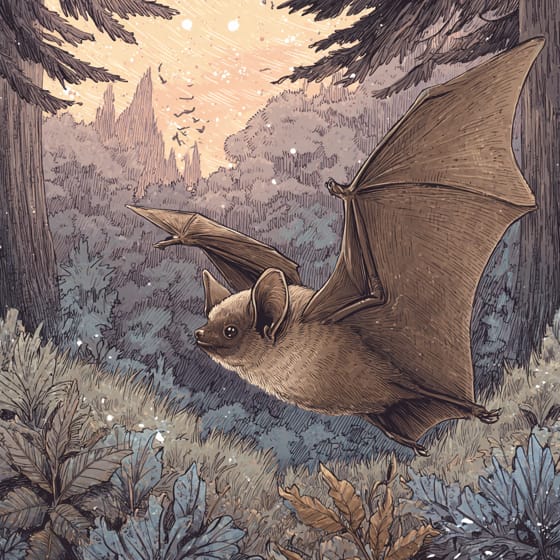
Myotis lucifugus
Adult moths are a food source for bats during their nightly hunts.
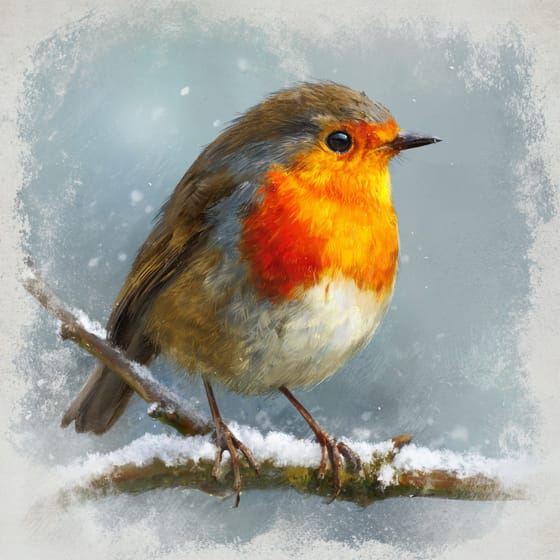
Erithacus rubecula
Birds like robins may eat the caterpillars or resting adults.
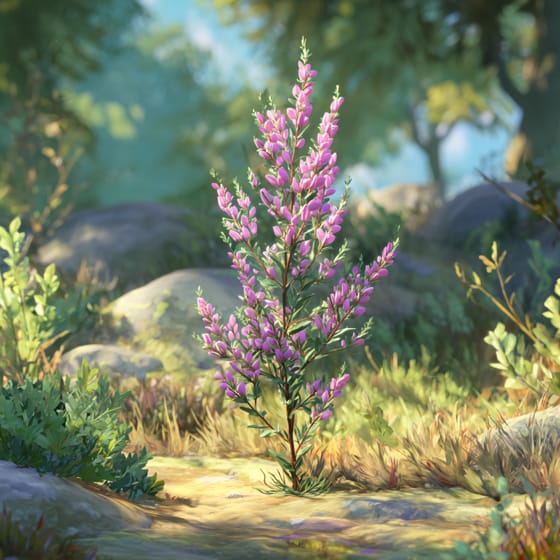
Calluna vulgaris
Adult moths visit heather flowers, inadvertently spreading pollen.
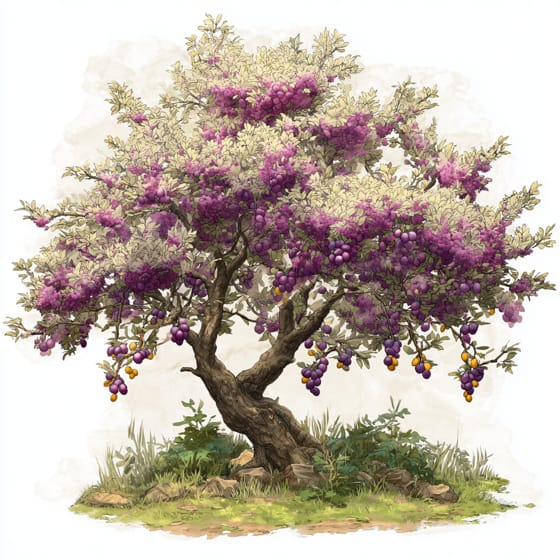
Prunus domestica
Its caterpillars often feed on the leaves and buds of plum trees.
Marked with parallel bands or lines of color.
Colorful describes organisms or objects displaying a wide range of bright and distinct colors.
This trait characterizes organisms whose diet consists entirely or primarily of plant material.
Nocturnal animals are primarily active during the nighttime hours, typically resting or sleeping during the day.

Describes organisms that transfer pollen, enabling the fertilization and reproduction of plants.
No aliases listed yet.
Danger
1/5 · Very low
Moths are usually harmless, but it's best to watch them from a distance.
The easiest way to identify Double-striped Pug is to use the Snappit nature identifier app.
17-21 mm
8-12 mm
7-21 days
Adult Double-striped Pugs sip nectar from various flowers, while their caterpillars munch on plant buds and leaves.
Gardens and fields
Foraging
6
Zoom in to split clusters and explore where this object has been snapped.
Recent snaps will appear here as new observations are added.
Take the discovery with you
Snap it with Snappit to identify it, learn what makes it special, and add the discovery to your collection.








.jpg&width=800)



