.jpg&width=800)





Common Asparagus Fern
asparagus setaceus
The Common Asparagus Fern is a fun plant with feathery green leaves that look like fluffy little trees! It loves to grow in gardens and can even be a great houseplant.
Habitat: Commonly found in gardens, forests, and as a houseplant.
The Common Asparagus Fern has delicate, feathery bright green foliage, which are actually modified stems, not true leaves. Its wiry stems bear small, sharp thorns and can grow quite long, producing tiny white flowers that develop into vibrant red berries.
Category
PlantsRarity
Common
Danger
0/5 · No known danger
Snaps
2
Despite its name, it's not a true fern, but a relative of the edible asparagus!
It is often mistaken for dill due to its soft, feathery appearance!
Its tiny white flowers mature into vibrant, round red berries!
This fast-growing plant can produce stems that trail over 2 meters long!
Common Asparagus Fern has underground tubers that store water and nutrients, helping it survive dry periods.
Common Asparagus Fern can grow small, sharp thorns along its stems, deterring animals from nibbling it.
Common Asparagus Fern has tiny, needle-like structures called cladodes that act like leaves for photosynthesis.
Apis mellifera
Visits its tiny white flowers.
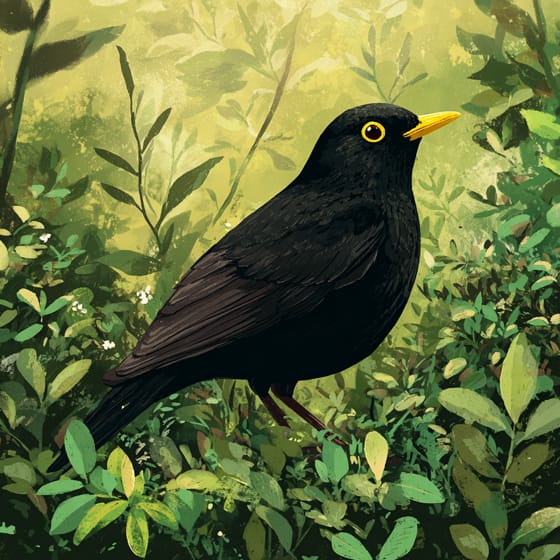
Turdus merula
Disperses the red berries.
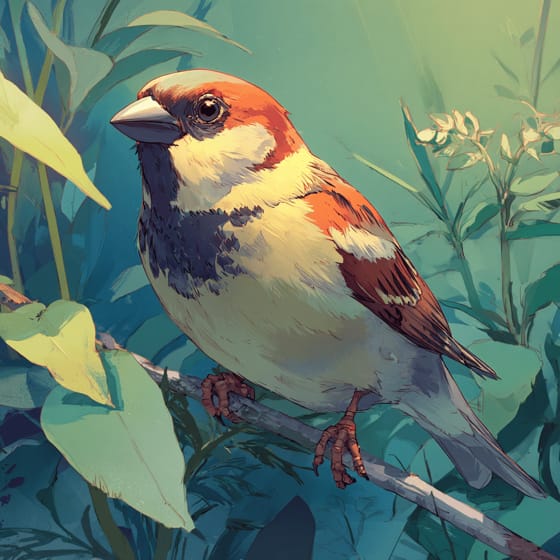
Passer domesticus
Often nests in its dense foliage.
Social animals live in organized groups, cooperating for survival benefits such as foraging, defense, and raising offspring.
Colorful describes organisms or objects displaying a wide range of bright and distinct colors.
This trait characterizes organisms whose diet consists entirely or primarily of plant material.
Forest habitats are terrestrial environments dominated by dense tree cover, supporting a high diversity of plant and animal life.

Diurnal animals are primarily active during daylight hours, typically resting or sleeping at night.
Danger
0/5 · No known danger
No special safety notes yet.
The easiest way to identify Common Asparagus Fern is to use the Snappit nature identifier app.
30-100 cm
30-100 cm
0.1-0.3 cm
Summer
No
Mild
Perennial
Zoom in to split clusters and explore where this object has been snapped.

Florida, US
You might spot Pond Slider, Brown Anole, and Atala.
View guide →

Hawaii, US
You might spot Gold Dust Day Gecko, Red Junglefowl, and Brown Anole.
View guide →
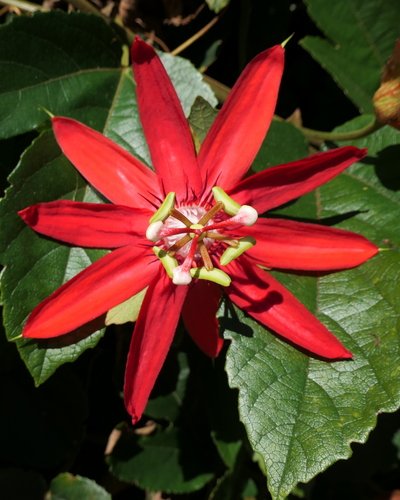
Florida, US
You might spot Passiflora 'scarlet Flame' and Carolina Burying Beetle.
View guide →
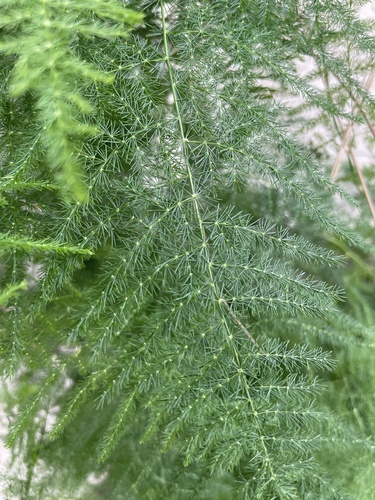
Florida, US
You might spot Common Asparagus Fern, Great Egret, and Baldcypress.
View guide →
Take the discovery with you
Snap it with Snappit to identify it, learn what makes it special, and add the discovery to your collection.








.jpg&width=800)



_001.jpg&width=800)




