





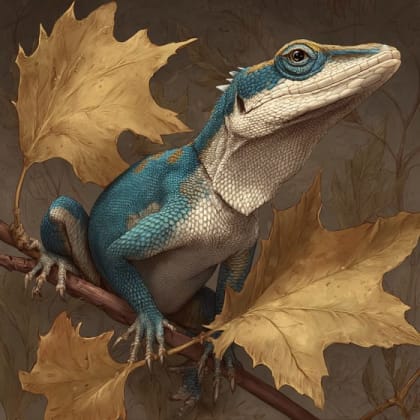
Brown Anole

Wahiawa Botanical Garden is a serene 27-acre oasis showcasing tropical flora on Oahu.
Wahiawa Botanical Garden is a serene 27-acre oasis showcasing tropical flora on Oahu. Known as the "tropical jewel" of the Honolulu Botanical Gardens, this verdant escape thrives in a unique, cooler upland climate, making it a distinctive stop in central Oahu. Its dense canopy and humid environment create a lush rainforest atmosphere, perfect for those seeking tranquility amidst nature's grandeur.
The garden boasts a diverse collection of native Hawaiian plants and exotic species from tropical regions worldwide, including Africa, Asia, Australia, and the South Sea islands. Visitors can explore winding paths revealing towering trees like the colorful Rainbow Eucalyptus, majestic Koa trees, and unusual specimens such as the Candle Tree and Elephant Apple. Highlights also include vibrant Heliconias, delicate Blue Ginger, and ancient Hawaiian tree ferns, providing a sensory feast of sights and scents.
A visit to Wahiawa Botanical Garden offers a refreshing change of pace, inviting exploration and quiet contemplation. It's an ideal destination for nature lovers, photographers, and families looking to connect with Hawaii's unique ecosystems and discover rare botanical wonders in a peaceful, uncrowded setting. The cool, shaded trails provide a welcome respite from the island's more bustling attractions, promising a memorable and educational experience. Planning to visit? Download the Snappit app to identify the wildlife you spot in real-time.
The history of Wahiawa Botanical Garden dates back to the 1920s when the Hawaiian Sugar Planters' Association leased the land for experimental tree planting. Many of the garden's impressive, older trees were planted during this period. In 1950, the property was transferred to the City and County of Honolulu, and by 1957, it officially opened to the public as a botanical garden. It became part of the Honolulu Botanical Gardens system in 1960.
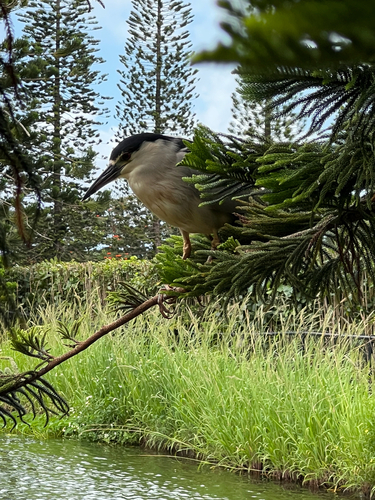
Leisurely stroll along winding paths, enjoy shaded picnic areas, observe various plant species, look for native birds, or simply relax in the tranquil environment. Self-guided tour maps are available.
The garden benefits from frequent rainfall, nourishing its dense canopy. It's generally about 10°F cooler than coastal Oahu due to its elevation and dense shade. Avoid visiting right after heavy rain as paths can be muddy and slippery. Be aware of mosquitoes, especially in the lower ravine, and bring repellent.
The upper areas of the garden have partially paved paths, making much of it wheelchair accessible. The gulch and lower ravine areas are less accessible and may have stairs and uneven surfaces. Restrooms and picnic areas are available.
Marvel at the uniquely colorful bark.
Discover diverse and vibrant heliconia varieties.
Explore a significant collection of indigenous flora, including Koa trees and Hapuʻu Hawaiian Tree Ferns.
Encounter unusual trees like the Candle Tree, Elephant Apple, and Shaving Brush Tree.
Each card links to a full Explore page with photos, traits, and fun facts.
Start with the big picture, then zoom in to explore individual wildlife observations around this place.
Wear appropriate footwear
Opt for comfortable walking shoes, as some paths can be uneven, especially in the lower sections.
Bring insect repellent
Mosquitoes can be present, particularly in the humid lower ravine, so come prepared.
Visit in the morning
Enjoy cooler temperatures and increased bird activity by visiting between 9 AM and 11 AM.
Allow ample time
Plan for at least 1.5 to 2 hours to leisurely explore the garden, or up to 3 hours if you're a keen photographer or botanist.
Check for alternative parking
While there's a small free parking lot at the entrance, it can fill up, so be prepared for potential street parking nearby.
Pack snacks and water
There are no food sales on-site, but picnic tables are available.
May 29, 2026
Photo attribution
(c) geojex, some rights reserved (CC BY)
License: CC BY 4.0 ↗
Image may be shown cropped inside the card frame.
Jun 4, 2026
Jun 3, 2026
May 31, 2026
May 30, 2026

Maryland, US
You might spot White-Tailed Deer and Eastern Gray Squirrel.
View guide →
.jpg)
District of Columbia, US
You might spot Eastern Gray Squirrel, Duck, and House Sparrow.
View guide →

Illinois, US
You might spot American Robin, Canada Goose, and House Sparrow.
View guide →

Virginia, US
You might spot Spotted Lanternfly and Northern Cardinal.
View guide →
Take the discovery with you
Identify the wildlife you spot, learn as you go, and keep a collection of the adventure.





_(6946051637).jpg&width=800)






