





common bistort
Bistorta officinalis
Common bistort is a lovely plant with tall, pink flowers that bloom in spring and summer. It grows in wet places like meadows and along streams, making it a pretty sight for everyone to enjoy.
Habitat: Wetlands
The common bistort has distinct, dense, pink, bottlebrush-like flower spikes that stand tall above large, oval, dark green leaves. Its unique S-shaped root distinguishes it visually from many other meadow plants, especially when observed closely.
Category
PlantsRarity
Common
Danger
1/5 · Very low
Snaps
2
Its name 'bistort' comes from Latin for 'twice twisted,' referring to its curvy root!
People once used its tough roots to make flour for baking during lean times!
Sometimes called 'Easter Ledge,' its leaves were a traditional springtime vegetable!
Spotting its pink flowers often signaled the best time for farmers to plant crops!
Common bistort can rapidly spread using underground rhizomes, allowing it to colonize damp meadows and riverbanks effectively.
It has a starch-rich root that can be harvested and cooked, historically providing a valuable food source.
Its tight clusters of pink flowers provide abundant nectar, attracting many bees and butterflies to help with pollination.
Common bistort has a deeply embedded, S-shaped root, which provides strong anchorage and nutrient storage.
Apis mellifera
Honey bees gather nectar from its pink flowers.
Bombus terrestris
Bumblebees are important visitors, collecting nectar and pollen.
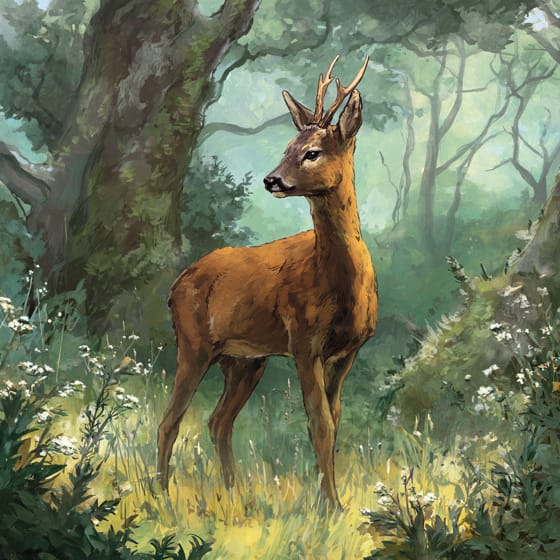
Capreolus capreolus
Young leaves and shoots are occasionally browsed by deer.
Flowering plants are any plants that produce flowers as part of their reproductive cycle.
Cluster flowers are inflorescences where individual flowers are arranged closely together on a common stem.
Spring blooming plants produce their flowers during the spring season, often signifying the end of winter and the start of new growth.
Summer blooming plants produce their flowers during the summer season, often providing vibrant color when many other plants have finished.

Fragrant flowers emit a pleasant aroma, often to attract pollinators or for defense.

Edible plants are those parts of a plant that are considered safe for human consumption.

Describes plants that are particularly attractive and beneficial to a wide range of pollinating organisms.

This habitat trait identifies species found in wetlands, which are areas of land saturated with water, either permanently or seasonally, including marshes, swamps, and bogs.
No aliases listed yet.
Danger
1/5 · Very low
Always look but don't touch plants without asking an adult first.
The easiest way to identify common bistort is to use the Snappit nature identifier app.
20-80 cm
30-50 cm
0.2-0.4 cm
Late spring to early summer
Yes
None
Perennial
Zoom in to split clusters and explore where this object has been snapped.

Vermont, US
You might spot Eastern White Pine, Staghorn Sumac, and Box Elder.
View guide →

Vermont, US
You might spot Eastern White Pine, Staghorn Sumac, and Box Elder.
View guide →

Maine, US
You might spot American Herring Gull and Himalayan Balsam.
View guide →
Take the discovery with you
Snap it with Snappit to identify it, learn what makes it special, and add the discovery to your collection.







.jpg&width=800)


_001.jpg&width=800)



