





western roundleaf violet
Viola orbiculata
The western roundleaf violet is a pretty little flower with round leaves and lovely purple petals. It loves to grow in shady places and adds color to the forest floor.
Habitat: Forests
The western roundleaf violet has bright yellow flowers with fine brown-purple lines on its lower petals, making it distinct from many other violets. Its glossy, dark green leaves are nearly perfectly round or kidney-shaped, forming a low-growing patch on the forest floor.
Category
PlantsRarity
Common
Danger
1/5 · Very low
Snaps
Be the first to snap!
If you look closely, you might see tiny "nectar guides" on the petals, like a bee's landing strip!
Its beautiful leaves and flowers are actually edible, tasting a bit like lettuce!
Some types of violet flowers never even open, staying closed to make seeds in secret!
The word "violet" usually means purple, but this amazing flower shows off bright yellow petals!
The western roundleaf violet can snap open its seed pods, launching tiny seeds away to grow new plants far from the parent.
Its seeds have a fatty treat called an elaiosome, which tricks ants into carrying and planting them somewhere new.
This violet has broad, flat leaves that effectively capture sunlight in the dappled shade of its forest habitat.
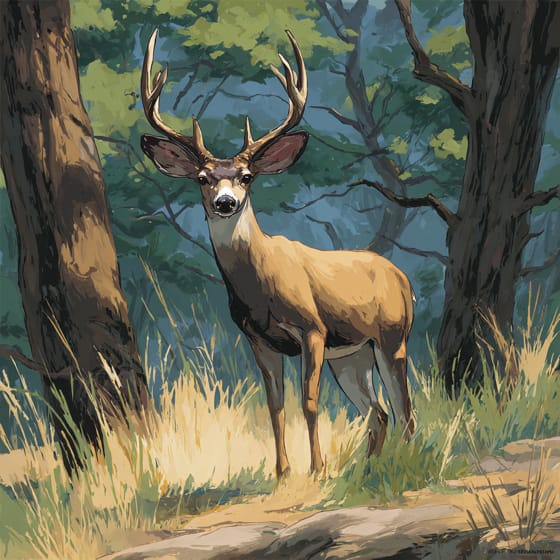
Odocoileus hemionus
Deer often browse on its tender leaves and flowers.
Bombus occidentalis
Busy bumblebees visit its flowers for sweet nectar and pollen.
Formica fusca
Ants carry its special seeds to their nests, helping them grow elsewhere.
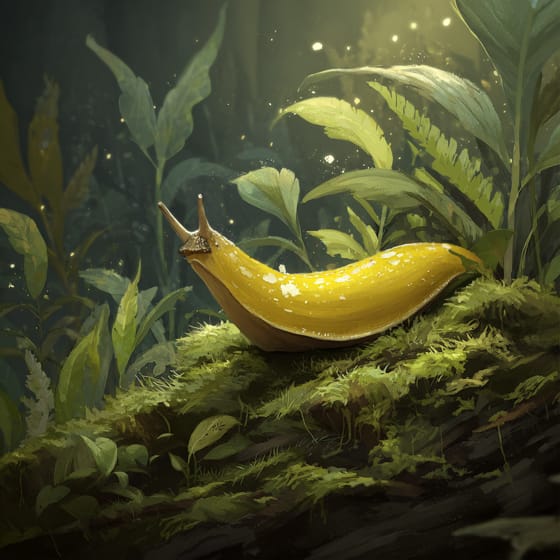
Ariolimax columbianus
Slugs enjoy munching on its fresh, round leaves in moist areas.
Flowering plants are any plants that produce flowers as part of their reproductive cycle.
Shade tolerant plants are adapted to grow and thrive in areas with low light levels, requiring less direct sunlight.
Spring blooming plants produce their flowers during the spring season, often signifying the end of winter and the start of new growth.
Colorful describes organisms or objects displaying a wide range of bright and distinct colors.

Edible plants are those parts of a plant that are considered safe for human consumption.

Describes plants that are particularly attractive and beneficial to a wide range of pollinating organisms.

Forest habitats are terrestrial environments dominated by dense tree cover, supporting a high diversity of plant and animal life.
No aliases listed yet.
Danger
1/5 · Very low
Always look but don't pick flowers, so they can keep growing for everyone to enjoy!
The easiest way to identify western roundleaf violet is to use the Snappit nature identifier app.
5-15 cm
10-20 cm
1-2 cm
Spring to early summer
Yes
None
Perennial
Zoom in to split clusters and explore where this object has been snapped.
Recent snaps will appear here as new observations are added.
Take the discovery with you
Snap it with Snappit to identify it, learn what makes it special, and add the discovery to your collection.








.jpg&width=800)



_001.jpg&width=800)


