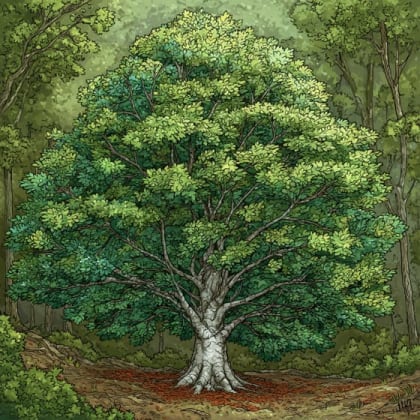



Eastern White Pine

Step into the vibrant history of Barre, Vermont, where granite built a city and artistic legacy.
Step into the vibrant history of Barre, Vermont, where granite built a city and artistic legacy. This historic downtown district, listed on the National Register of Historic Places, showcases a captivating collection of commercial, civic, and religious architecture. It stands as a testament to Barre's transformation from a small agricultural town into the "Granite Capital of the World" due to its rich granite quarries and the influx of skilled immigrant stonecutters.
As you explore the district, you'll encounter a fascinating blend of architectural styles, including Italianate, Queen Anne, Classical Revival, and Romanesque, predominantly built between 1880 and 1925. Beyond the impressive brick facades, look closely for the distinctive local granite integrated into many structures, a nod to the industry that shaped this community. The area is also celebrated for its abundant granite sculptures, transforming the downtown into an outdoor art gallery, with pieces like the poignant "Youth Triumphant" statue and the intricate Robert Burns Memorial.
A visit to the Barre Downtown Historic District offers a unique opportunity to immerse yourself in a living museum of American industrial heritage and artistry. It’s a place where every corner tells a story of innovation, immigration, and enduring craftsmanship, leaving visitors with a deep appreciation for the artistry "Carved in Stone." Turn your visit into a safari! Use the Snappit app to scan and log wildlife sightings here.
The Barre Downtown Historic District's history is inextricably linked to the region's vast granite deposits. Initially a quiet agricultural community, Barre experienced a dramatic boom in the late 19th century following the arrival of the Central Vermont Railway in 1875 and a dedicated quarry railroad in 1888. These rail connections made the transportation of Barre's high-quality granite both economical and efficient, rapidly accelerating the development of the granite industry. This industrial expansion attracted thousands of skilled stone workers and artisans, particularly from Scotland and Italy, transforming the modest village into a bustling city by its incorporation in 1895. Many of the district's prominent buildings, constructed between 1880 and 1925, reflect this period of rapid growth and the diverse architectural styles favored at the time. The district was officially recognized for its historical and architectural significance when it was listed on the National Register of Historic Places in 1979, with an updated assessment in 2017.
Take a self-guided walking tour to admire the historic architecture, seek out the diverse granite sculptures, explore local businesses, and experience the unique atmosphere of a city forged by granite.
Vermont experiences cold, snowy winters, so outdoor exploration is best during warmer months. Spring brings lush greenery, and autumn offers spectacular fall colors.
The downtown area features sidewalks, making it generally accessible for walking. Specific accessibility features for individual buildings may vary.
An impressive civic building from 1899.
A beautiful Neo-Classical structure built in 1908.
A stunning granite monument honoring the Scottish poet, featuring detailed carved panels.
A powerful WWI memorial with unique acoustic properties, located in City Hall Park.
Each card links to a full Explore page with photos, traits, and fun facts.
Start with the big picture, then zoom in to explore individual wildlife observations around this place.
Wear comfortable walking shoes, as the best way to experience the district is on foot.
Bring a camera to capture the intricate architectural details and unique granite sculptures.
Look for details in the granite work, from building foundations to public art, showcasing the material's versatility.
Pick up a local map or "Art Stroll" guide to locate key sculptures and historic buildings.
Consider visiting local shops and cafes to experience the contemporary life within this historic setting.
Don't miss the "whispering bench" behind the Youth Triumphant Statue – it offers a unique acoustic experience.
May 29, 2026
Photo attribution
(c) Tom Scavo, some rights reserved (CC BY)
License: CC BY 4.0 ↗
Image may be shown cropped inside the card frame.
May 29, 2026
Photo attribution
(c) Tom Scavo, some rights reserved (CC BY)
License: CC BY 4.0 ↗
Image may be shown cropped inside the card frame.
May 29, 2026
Photo attribution
(c) Tom Scavo, some rights reserved (CC BY)
License: CC BY 4.0 ↗
Image may be shown cropped inside the card frame.
May 29, 2026
Photo attribution
(c) Tom Scavo, some rights reserved (CC BY)
License: CC BY 4.0 ↗
Image may be shown cropped inside the card frame.
May 29, 2026
Photo attribution
(c) Tom Scavo, some rights reserved (CC BY)
License: CC BY 4.0 ↗
Image may be shown cropped inside the card frame.

Maryland, US
You might spot White-Tailed Deer and Eastern Gray Squirrel.
View guide →
.jpg)
District of Columbia, US
You might spot Eastern Gray Squirrel, Duck, and House Sparrow.
View guide →

Illinois, US
You might spot American Robin, Canada Goose, and House Sparrow.
View guide →

Virginia, US
You might spot Spotted Lanternfly and Northern Cardinal.
View guide →
Take the discovery with you
Identify the wildlife you spot, learn as you go, and keep a collection of the adventure.